

 русский
 Español
 عربى
عربىEveryday Advantages of Aluminum Front Doors
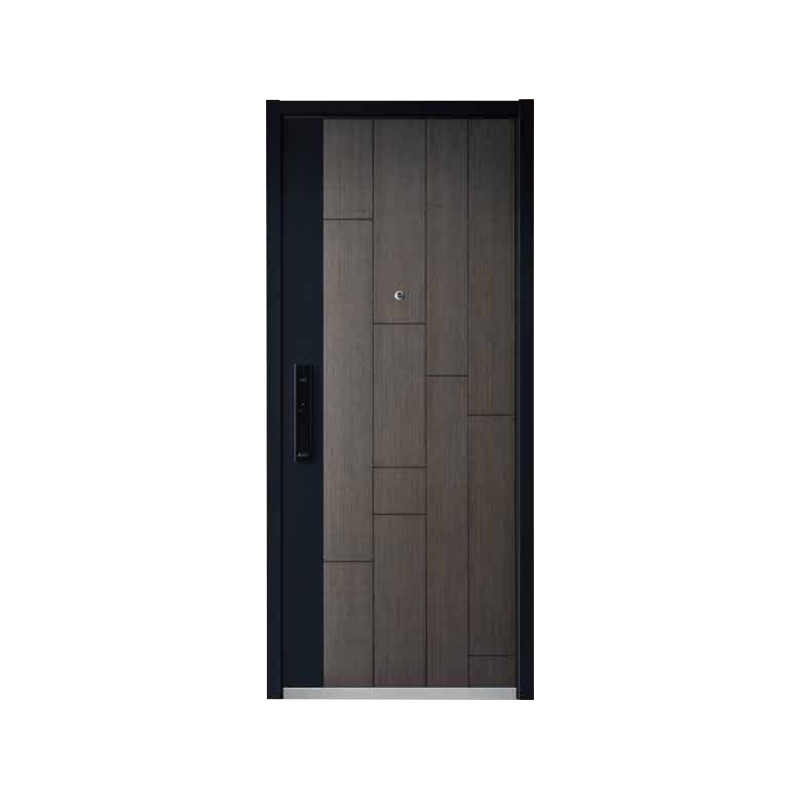
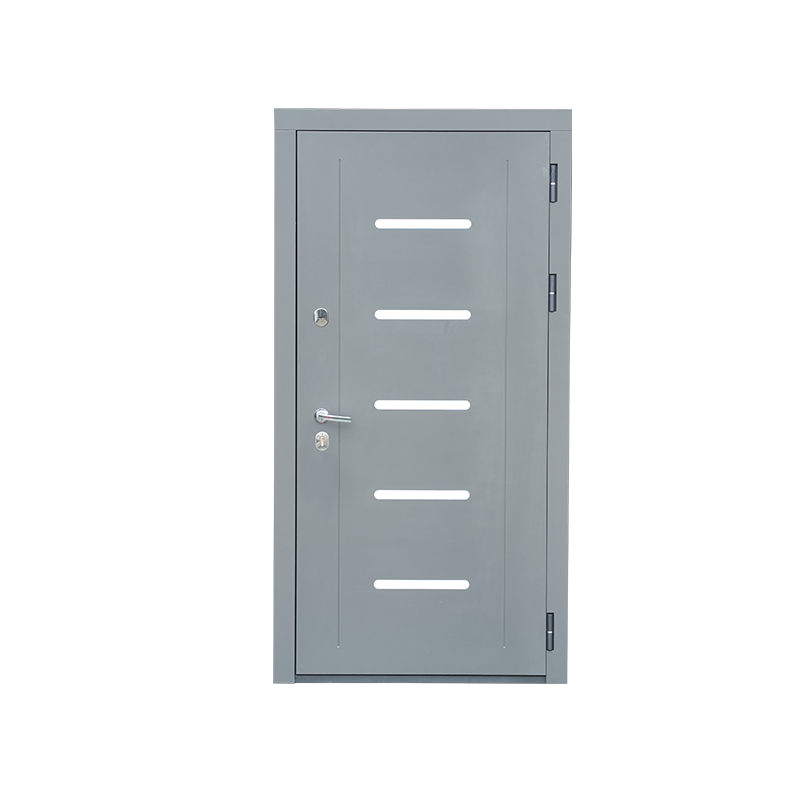
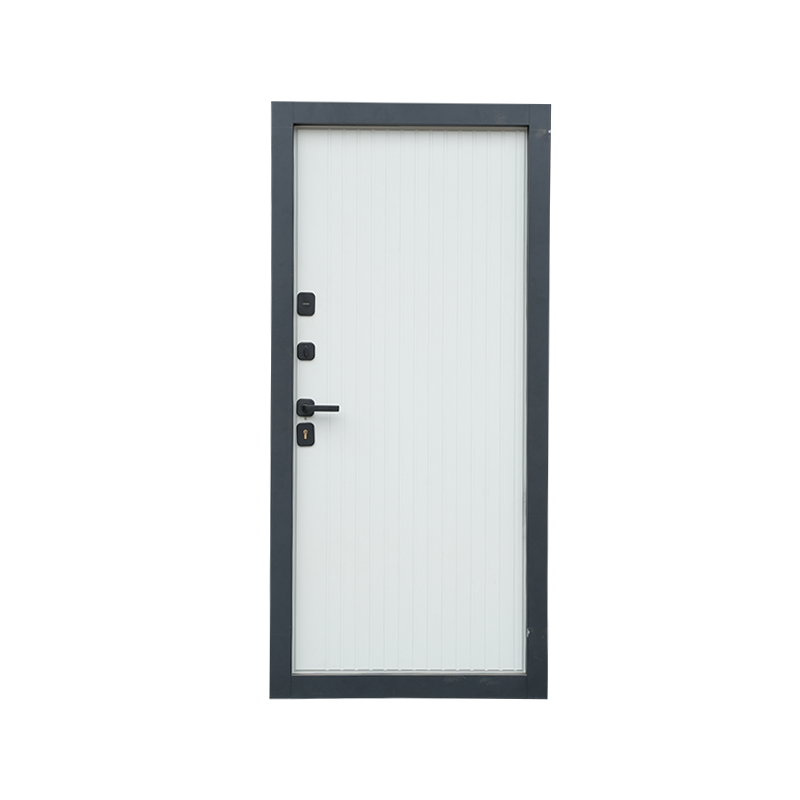
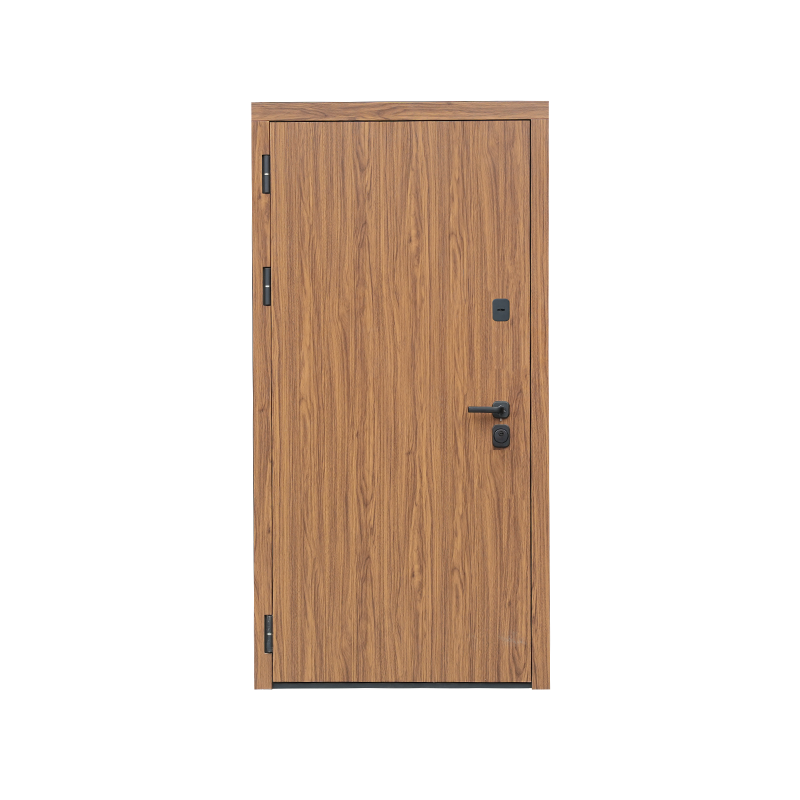
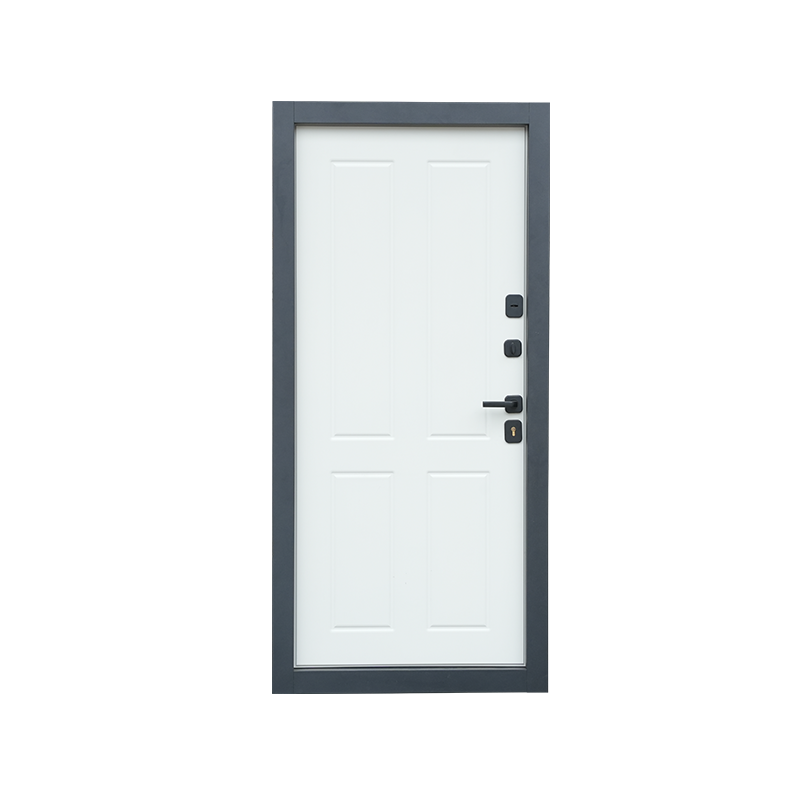
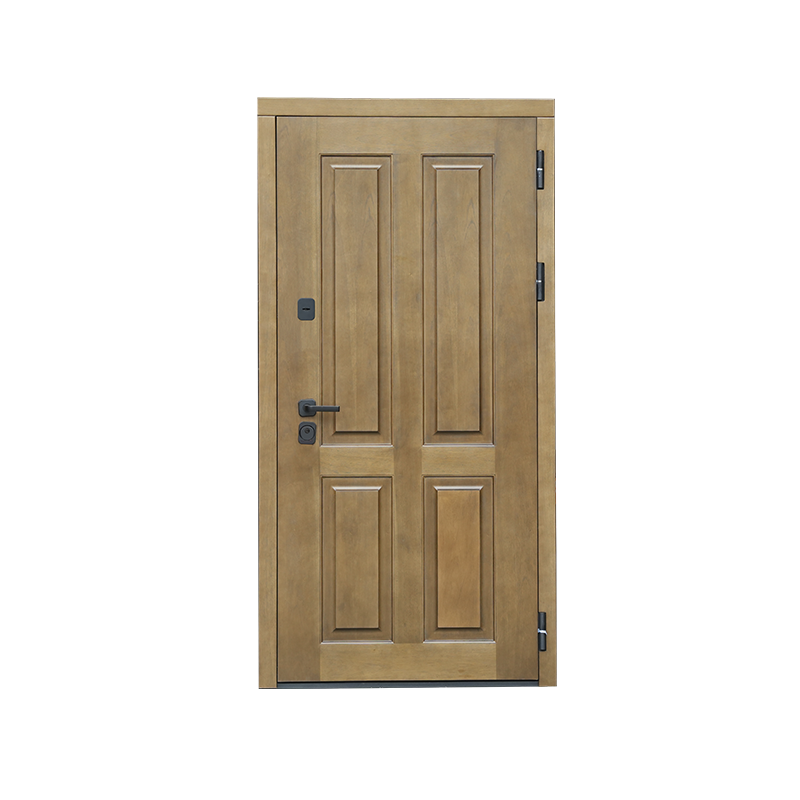
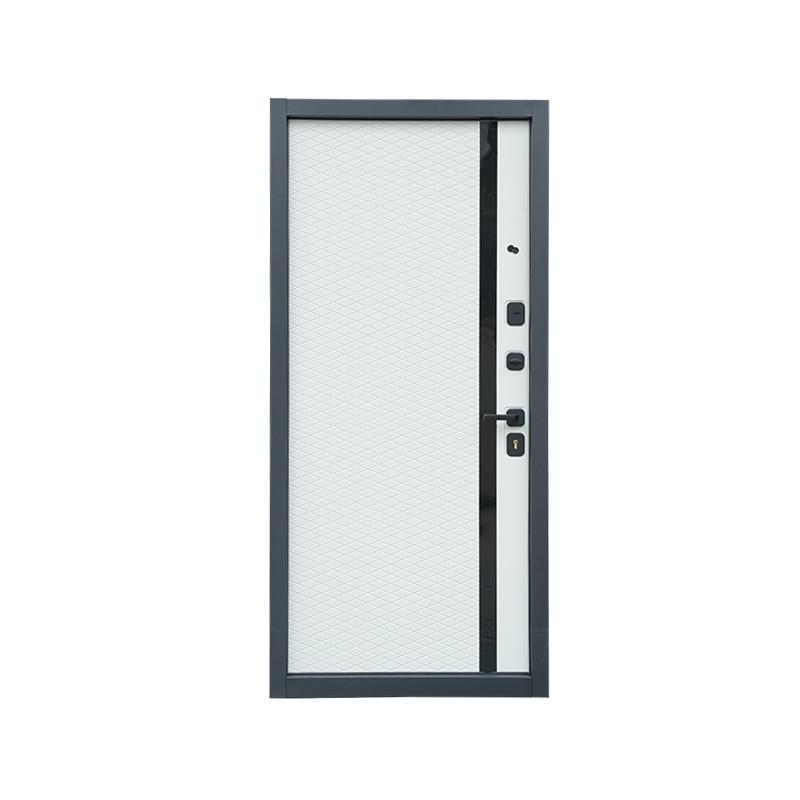
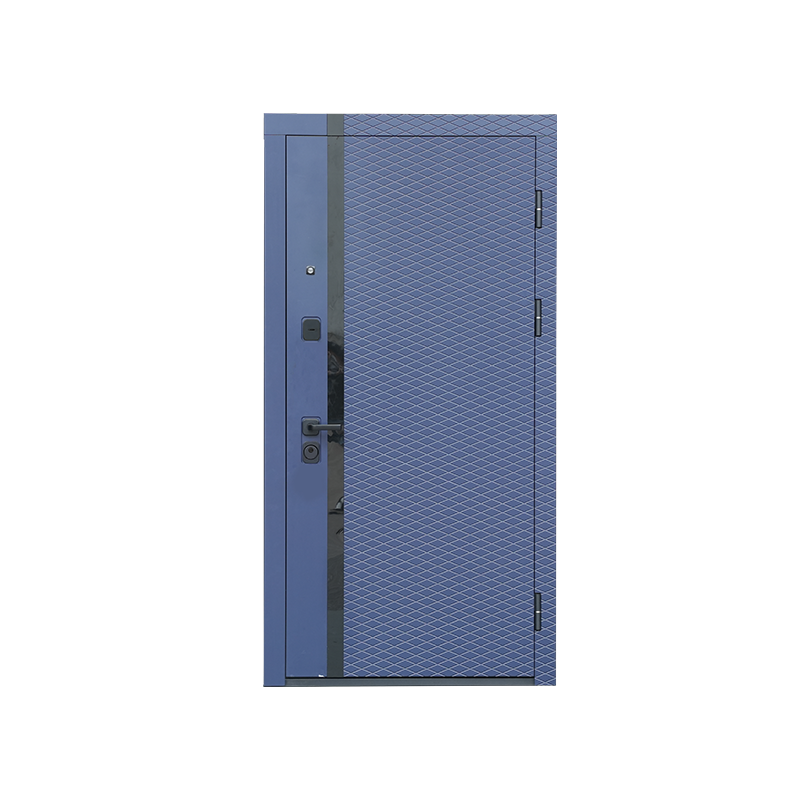
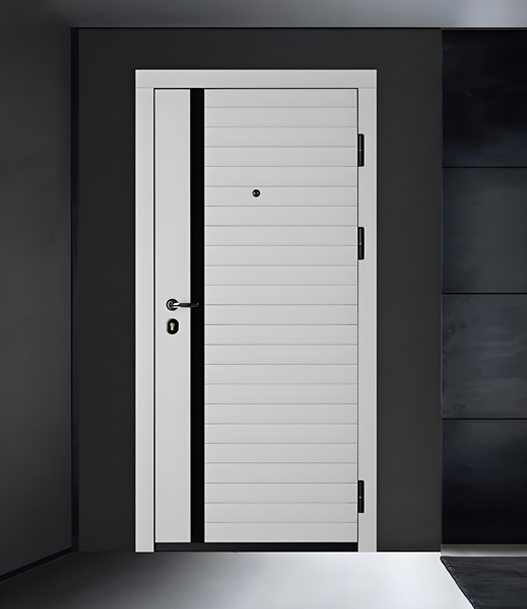
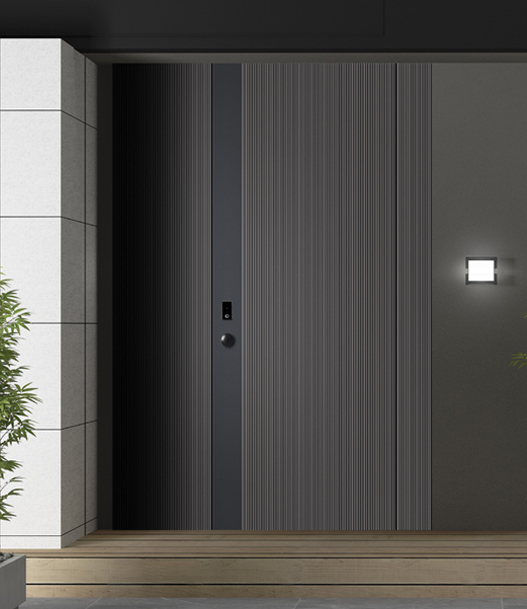
These Aluminum Front Doors stand up to rain, sun, and temperature swings in many different climates. The frames don’t rust easily or warp like some other materials, so they tend to keep their shape and look decent over time. A lot of people like the slim, clean lines that let more daylight into the entryway.
Here are some practical reasons aluminum front doors get chosen quite often:
- They are relatively light, which makes delivery and installation simpler for crews
- Plenty of color and finish options, including matte, satin, and higher gloss looks
- They pair well with modern locks and security hardware
- The material can be recycled when the door eventually needs replacing
Many models also come with thermal breaks built into the frame to help limit heat or cold transfer, which can make a noticeable difference in comfort near the entrance.
Design and Production Details
Factories that produce aluminum front doors start with extruded aluminum pieces that get cut to size, joined together, and then finished. Powder coating is a common step that helps the color stay even after years outdoors. A good number of doors include glass panels with double glazing, and some higher-end options use triple glazing for extra insulation.
The table below gives a rough side-by-side look at common front door materials using typical industry numbers:
| Material | Average Weight (lbs) | Maintenance Frequency | Expected Lifespan (years) | Thermal Performance |
| Aluminum | 80-120 | Low (every 2-3 years) | 25-40 | Good when thermal break used |
| Wood | 100-150 | Medium (annual) | 15-30 | Moderate |
| Steel | 120-180 | Low to Medium | 20-35 | Moderate |
| Fiberglass | 90-140 | Low | 20-40 | Good |
Keep in mind these figures can shift depending on the exact model, climate, and how well the door is maintained, but they help show where aluminum usually sits.
Where Aluminum Front Doors Get Installed
You’ll see aluminum front doors on new single-family homes, townhouses, and even some small commercial buildings. In renovation work, they often replace worn-out entrances because they fit many different architectural styles once the right color is chosen. Coastal homeowners tend to like them for their ability to resist salt air corrosion, while families in colder areas appreciate the reduced drafts when good seals and thermal breaks are in place.
Remodelers frequently choose aluminum when they want to update the curb appeal without changing the entire door opening size. Apartment complexes sometimes go with them for main entrances or unit doors where matching appearances and low upkeep matter to property managers. Delivery drivers, kids, and pets all put these doors through regular use, and they generally hold up without denting too easily.
Points Worth Considering Before Buying
When looking at aluminum front doors, most people focus on a few real-world details. First, measure the opening carefully so the new door fits without major frame adjustments. Glass type affects privacy and light — frosted or textured options work well if the door faces the street. Color samples should be viewed in both daylight and under home lighting because finishes can look different once installed.
Other things that usually come up include:
- Local energy code requirements and security standards
- What the warranty actually covers for the finish and moving parts
- Whether smart locks or video doorbells will integrate easily
- Total project cost, including professional installation
Visiting a showroom or asking for physical samples helps avoid surprises with color or texture. Proper installation makes a big difference in how well the door performs long-term, so many homeowners work with contractors who have done aluminum doors before. Day-to-day care is straightforward — a mild soap wash a couple times a year is usually enough to keep the surface clean.
Aluminum front doors continue to appear in all kinds of housing projects as families weigh style, upkeep, and performance. They offer a middle ground that works for many situations without demanding constant attention. As building trends shift toward easier maintenance and better efficiency, these doors get adjusted here and there to match what people actually need at their front entrance.