

 русский
 Español
 عربى
عربىStrength and Design in Modern Architecture
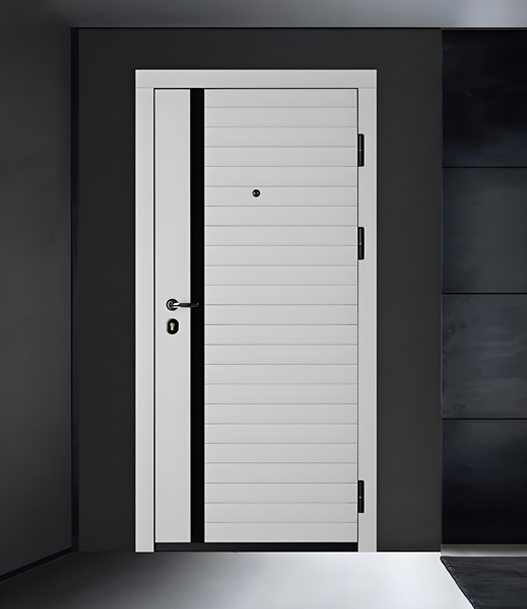
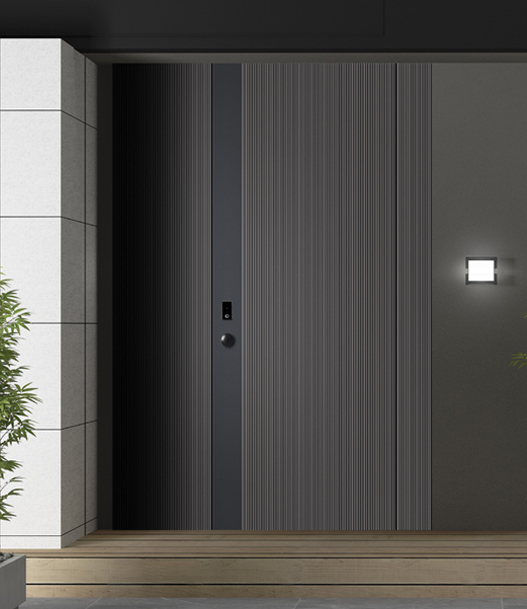
Armored doors have become increasingly significant in contemporary architecture, appearing in homes, offices, and public buildings. These doors combine structural integrity with aesthetic appeal, offering a balance between safety and design. Unlike standard doors, armored doors are engineered to resist physical impacts, providing occupants with a tangible sense of protection. The careful selection of materials, precise engineering, and attention to finishing allow these doors to blend seamlessly into various interior and exterior settings.
Modern buildings demand solutions that are reliable without being intrusive. Armored doors serve this purpose by combining strength and subtlety. They do not dominate a room visually but communicate stability and thoughtful planning. The understated design allows architects and homeowners to maintain stylistic consistency while enhancing functional resilience.
Material Innovation and Construction
The performance of an armored door largely depends on materials and construction methods. High-quality steel, reinforced cores, and advanced composites contribute to durability, impact resistance, and longevity. Layers of protective material are often integrated to improve resistance to forced entry or environmental stresses. Precision welding, alignment, and finishing techniques ensure consistent operation over years of use. Hinges, locks, and frames are carefully designed to complement the door’s core strength, enhancing overall security.
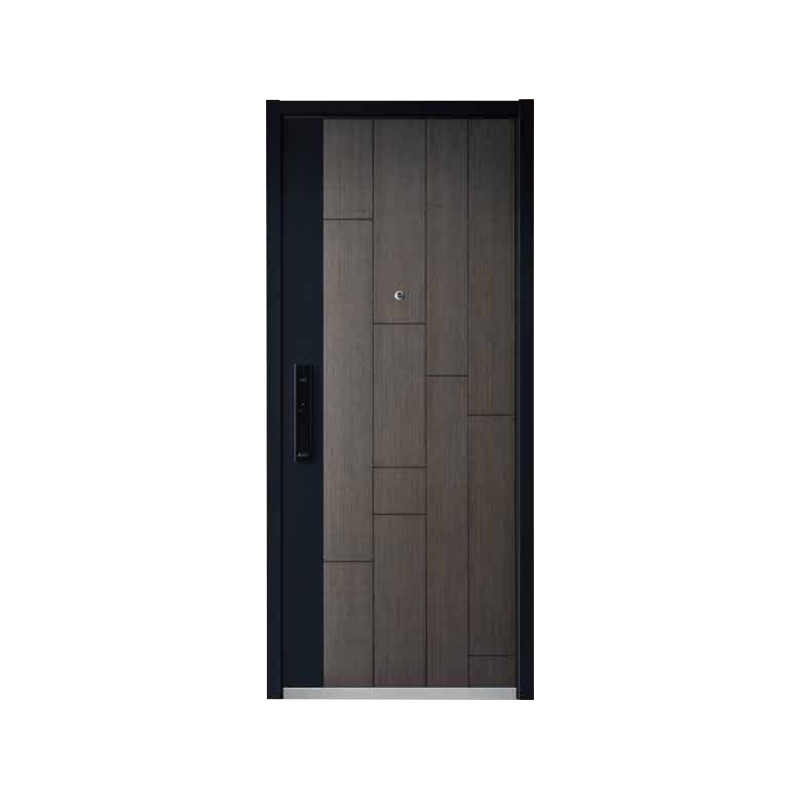
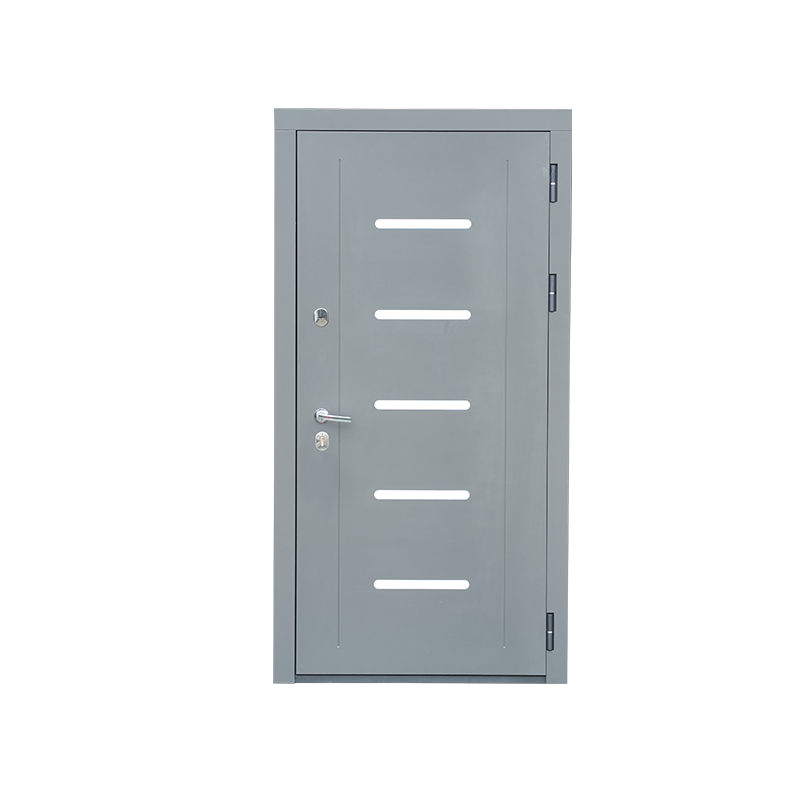
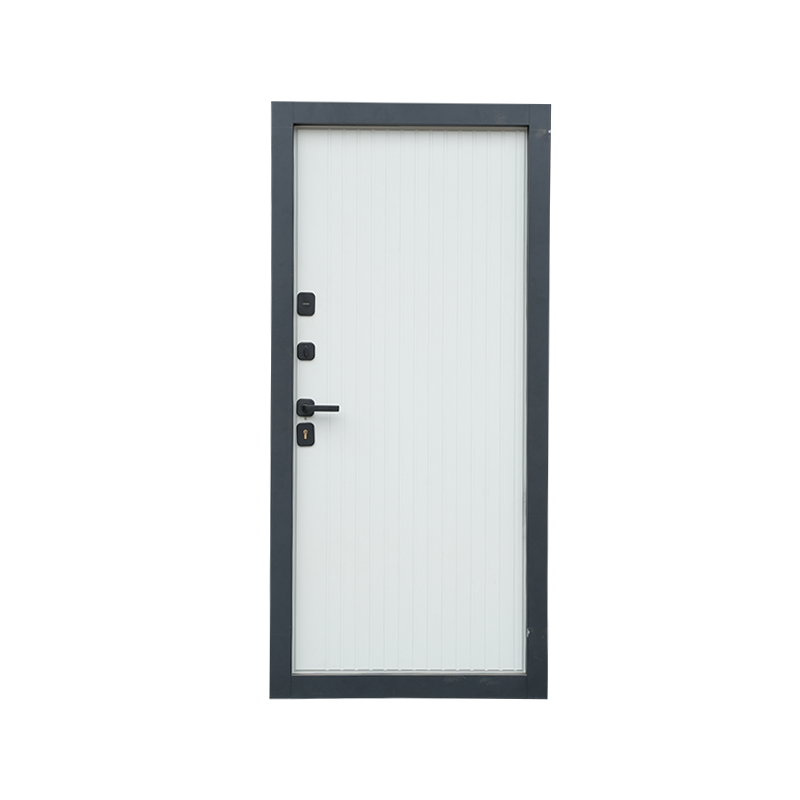
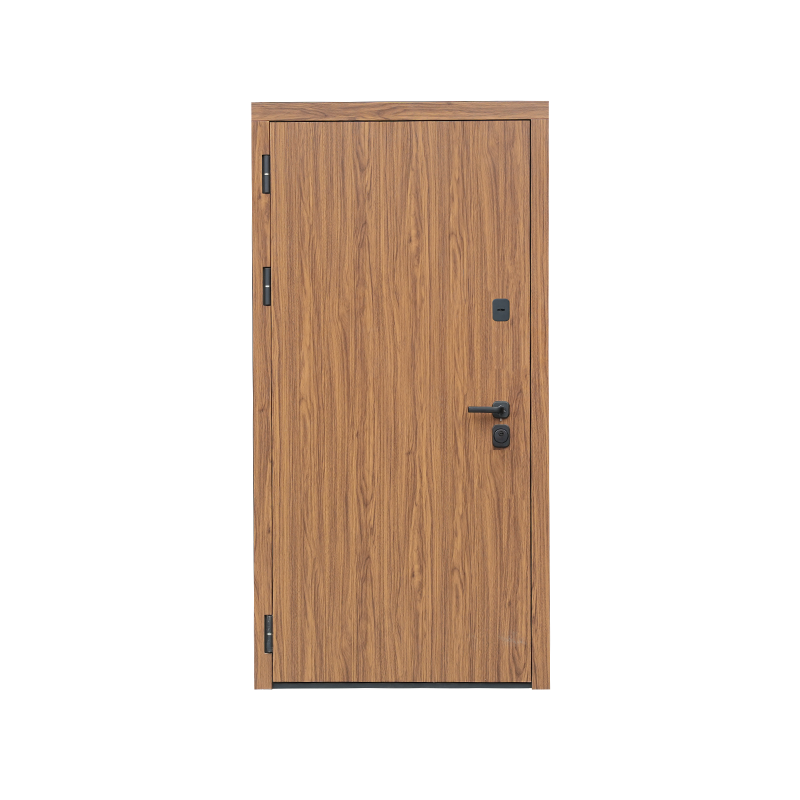
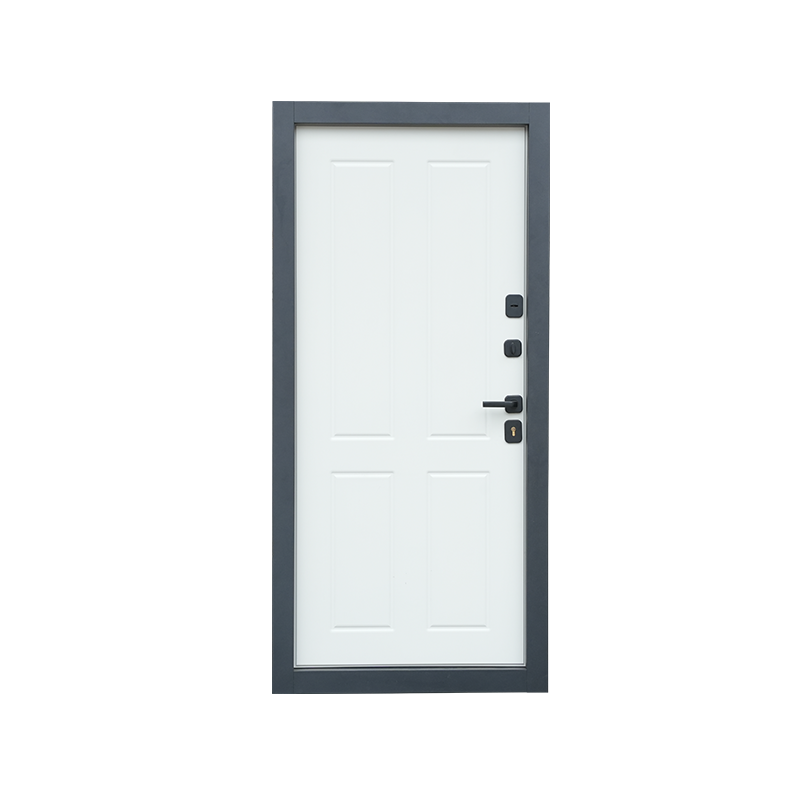
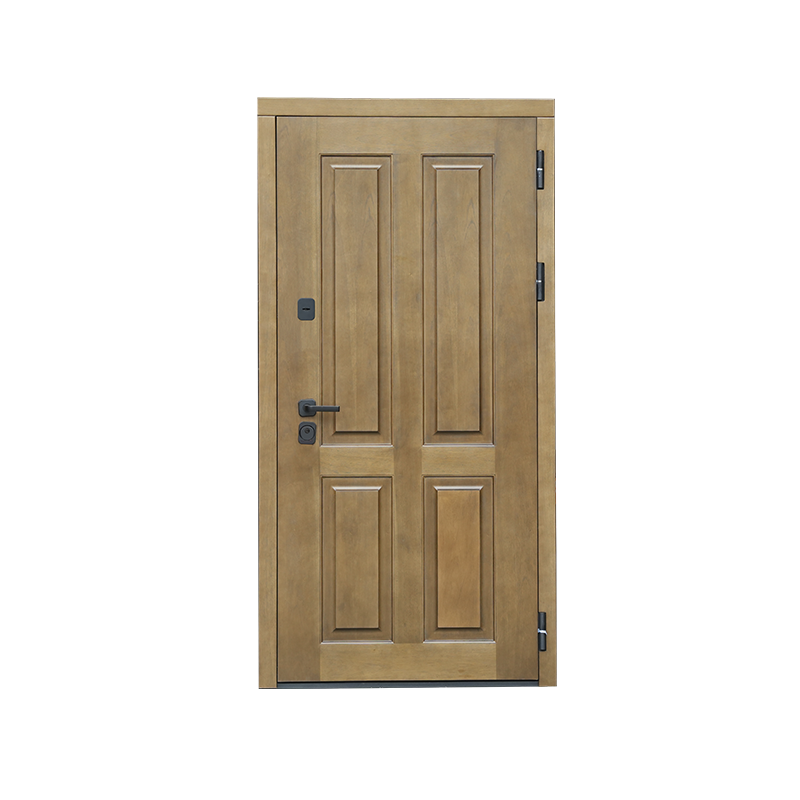
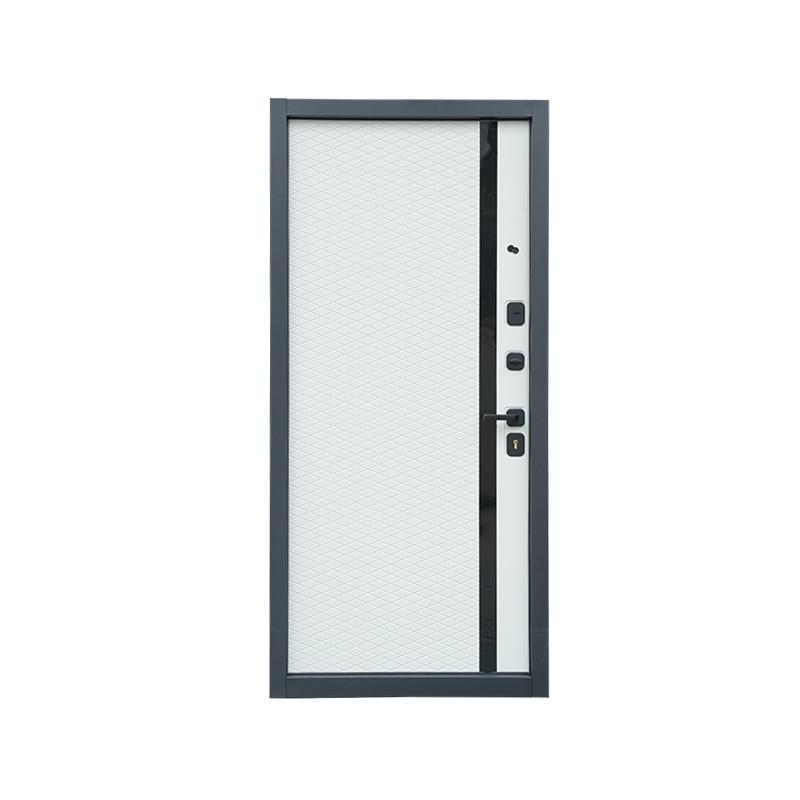
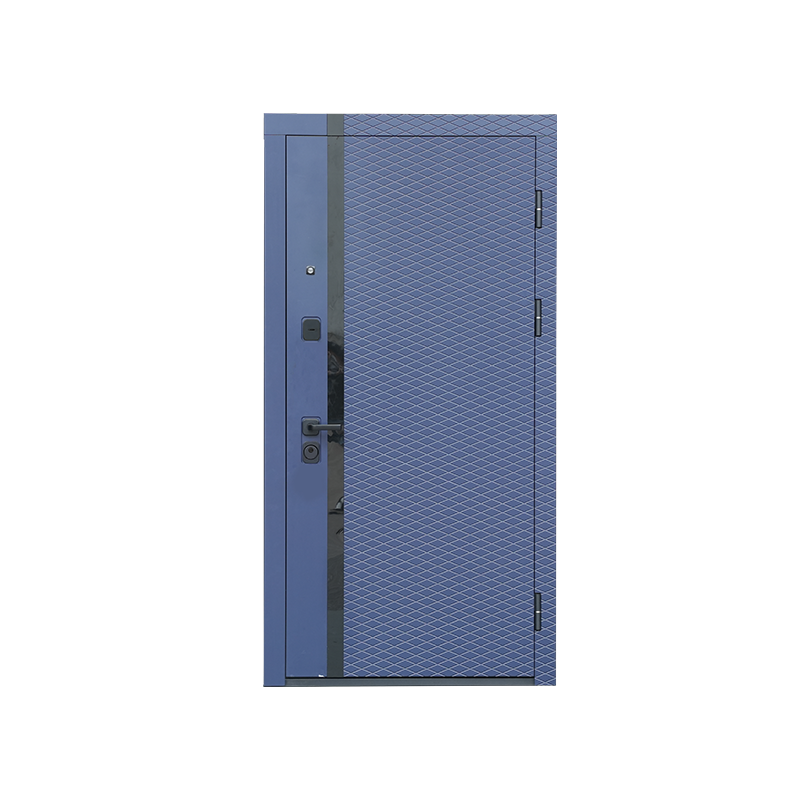
Materials also influence aesthetic outcomes. Smooth finishes, powder coatings, and customizable panels allow armored doors to fit both modern and traditional designs. Neutral tones, metallic finishes, and wood overlays provide visual versatility, enabling the door to integrate naturally into different environments.
Functionality Beyond Protection
Armored doors are not only about resistance to impact; they also support everyday convenience. Modern designs include features such as noise reduction, thermal insulation, and fire resistance, offering comfort alongside security. Solid construction helps reduce drafts and outdoor noise, contributing to energy efficiency and indoor comfort. Ergonomic handles, secure locks, and smooth closing mechanisms provide ease of use without sacrificing protective qualities.
Safety extends to psychological comfort. Knowing that entry points are reinforced allows building occupants to feel more secure, reducing anxiety about daily life and potential hazards. Armored doors thus serve both practical and emotional functions, supporting environments where safety and comfort coexist.
Adaptability and Customization
Flexibility and customization are central to the appeal of armored doors. Sizes, finishes, and lock types can be adapted to meet different building requirements. Residential applications may prioritize visual integration and interior design, while commercial installations often emphasize robust security and heavy-duty performance. This adaptability ensures that armored doors remain relevant across diverse contexts, from private residences to corporate facilities.
Technological integration further enhances functionality. Some doors include electronic locking systems, access control, and monitoring options, adding layers of modern security without altering the fundamental structure. Modular panels allow parts to be replaced or upgraded without full replacement, extending lifespan and supporting sustainable practices.
User Experience and Practical Details
Installation and maintenance are important for optimal performance. Proper alignment, quality hinges, and periodic inspections ensure the door continues to operate smoothly and reliably. Ergonomic handles and anti-scratch finishes enhance everyday interactions. Subtle details, such as smooth closing mechanisms and aesthetic lining, contribute to both visual appeal and tactile satisfaction.
Armored doors also influence occupant behavior. Their presence encourages careful planning and intentional use of building entries. Residents and employees become more aware of access points and their surroundings, reinforcing a culture of security and responsibility.
Armored Doors in Contemporary Security Culture
Armored doors reflect a broader understanding of safety in modern buildings. Their design balances resilience, usability, and aesthetics, creating entryways that are functional, reliable, and visually cohesive. Over time, they influence travel and movement patterns within spaces, guiding users to interact with doors in an intentional and confident manner.
Ultimately, armored doors combine strength, thoughtful engineering, and design versatility. They provide tangible protection, improve comfort, and contribute to aesthetic coherence. Integrating resilience, practical features, and modern design, armored doors have become essential components of contemporary architecture, offering both security and reassurance in daily life.