

 русский
 Español
 عربى
عربىFireproof doors have become essential components in modern architecture, combining safety, functionality, and design versatility. These doors are designed to contain flames and smoke for a designated period, allowing occupants valuable time to evacuate and reducing structural damage. Their effectiveness relies on both material innovation and precise manufacturing processes that ensure consistent performance under high-temperature conditions.
The construction of a fireproof door typically involves a reinforced core made from fire-resistant materials such as steel, gypsum, or vermiculite boards. The door leaf is often layered with insulation and sealed with intumescent strips that expand when exposed to heat, preventing the passage of smoke and hot gases. Heavy-duty frames, fire-rated glass panels, and heat-resistant hinges contribute to a complete fire protection system. Manufacturers rigorously test these components under standardized fire endurance conditions, ensuring compliance with international safety certifications such as UL, BS, and EN standards.
Technological progress has greatly influenced the development of fireproof doors. Computer-aided design (CAD) and precision manufacturing enable accurate assembly and enhanced sealing performance. Some models now integrate smart sensors that can automatically trigger door closure or send alerts to building management systems during emergencies. These intelligent features enhance both safety and convenience, particularly in large facilities such as hospitals, hotels, and shopping centers where quick response and coordination are crucial. Modern production lines employ sustainable practices by minimizing material waste and incorporating recycled metals, aligning with global environmental objectives.
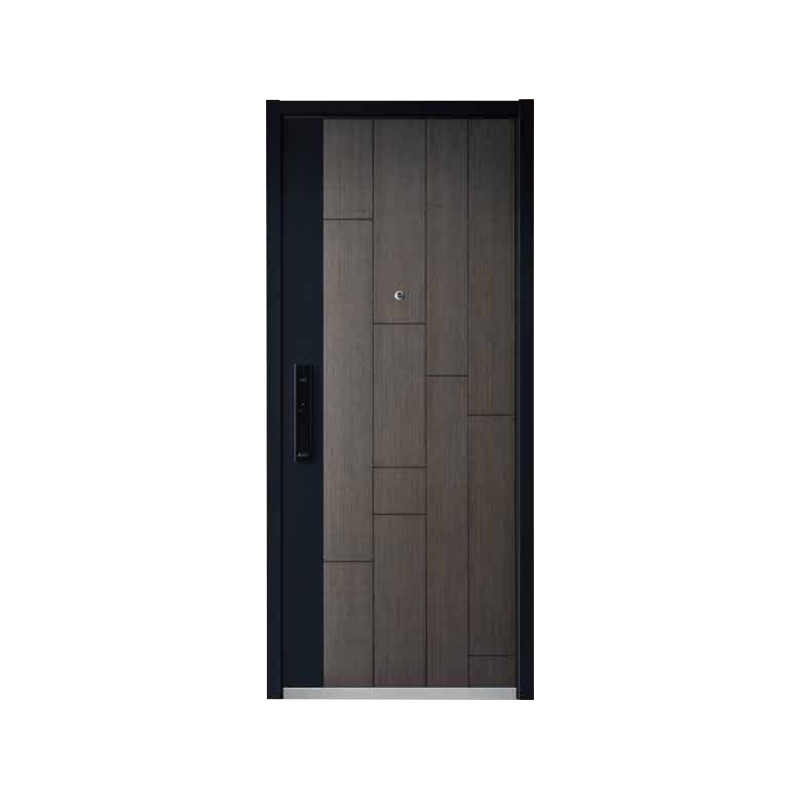
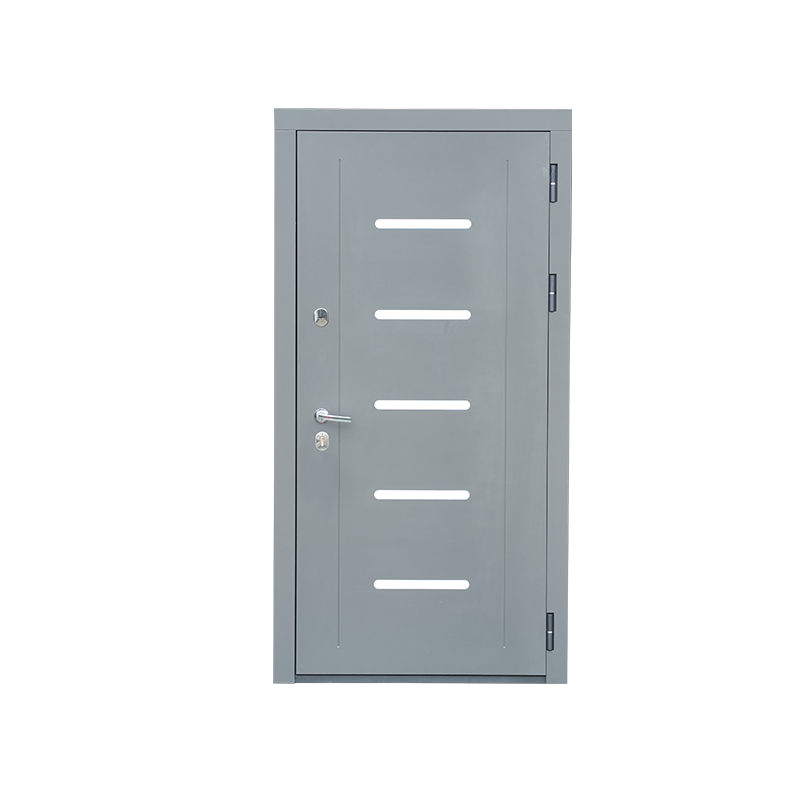
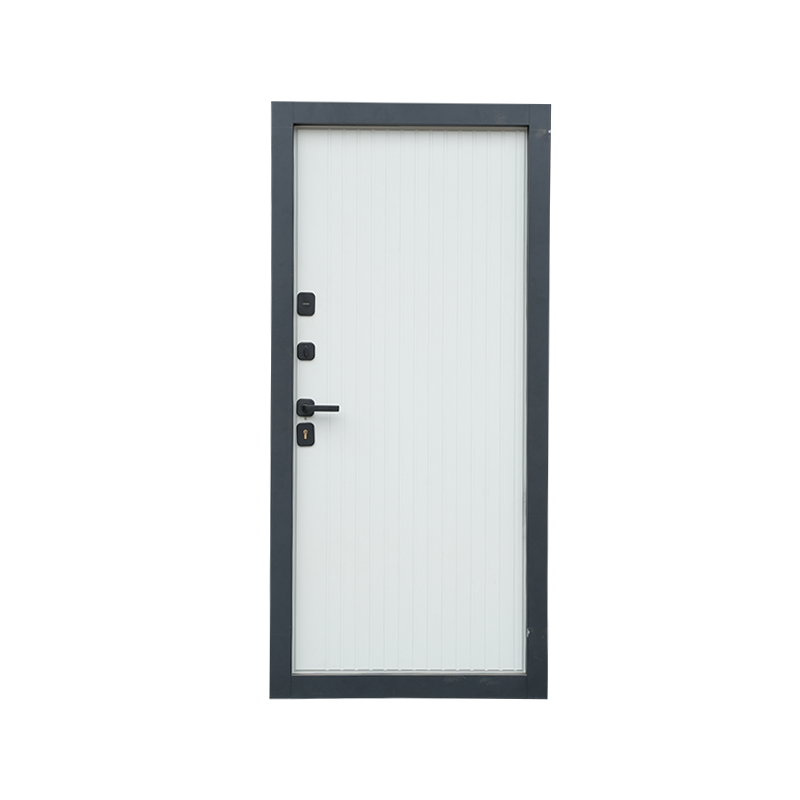
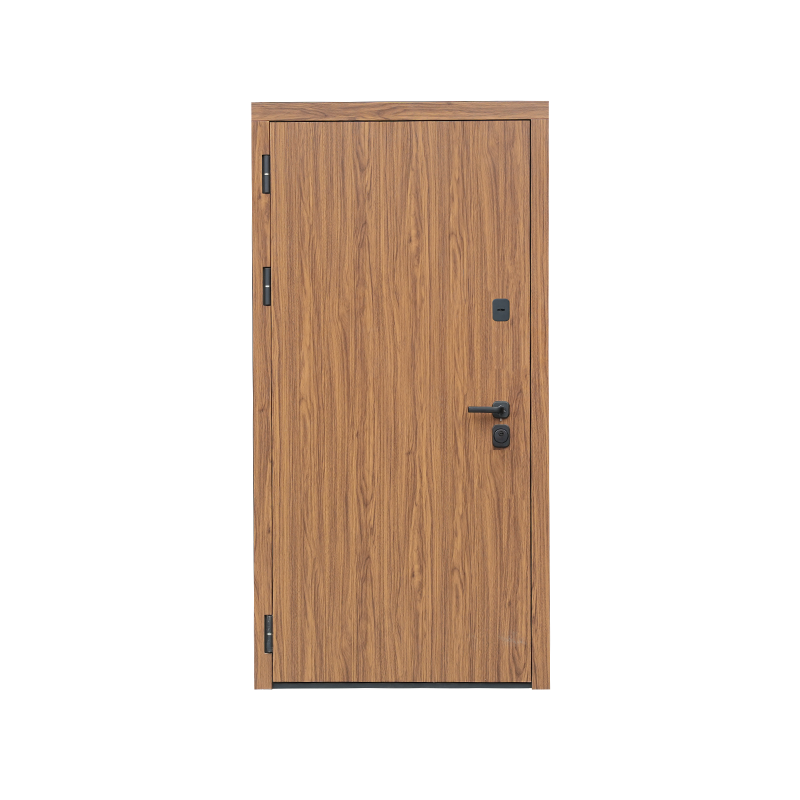
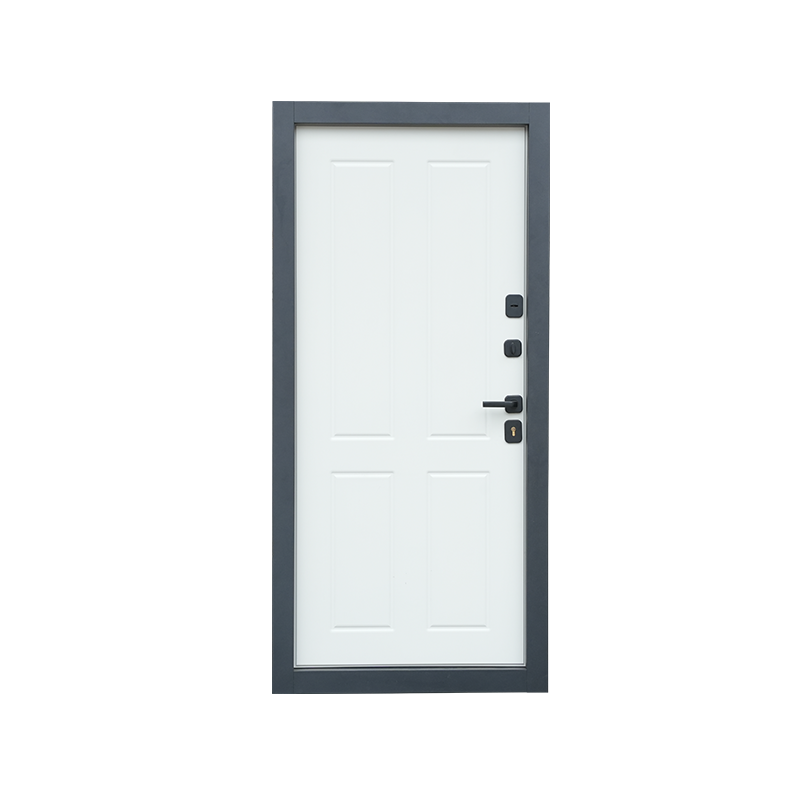
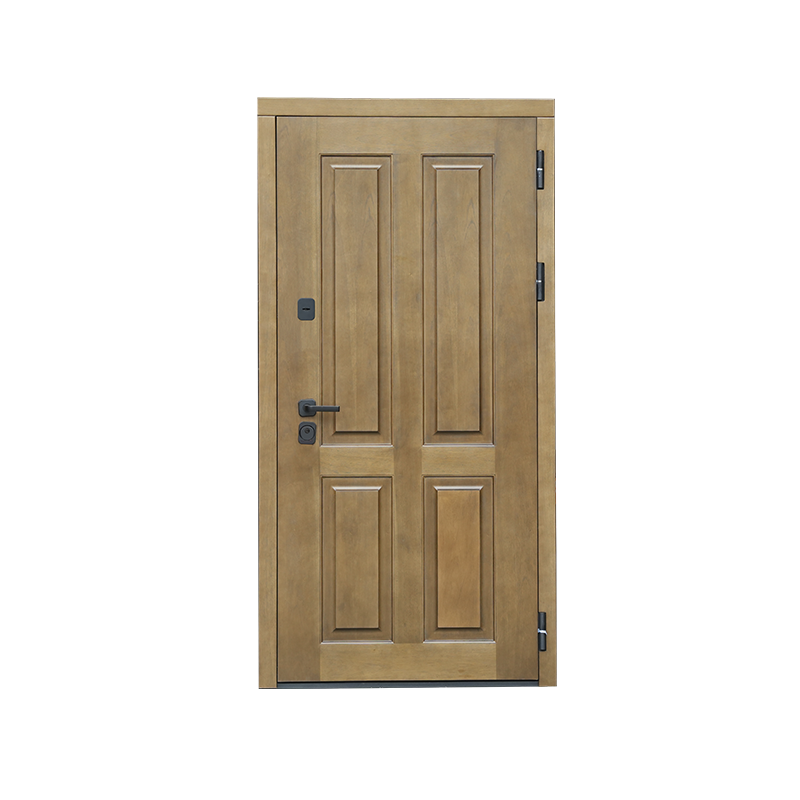
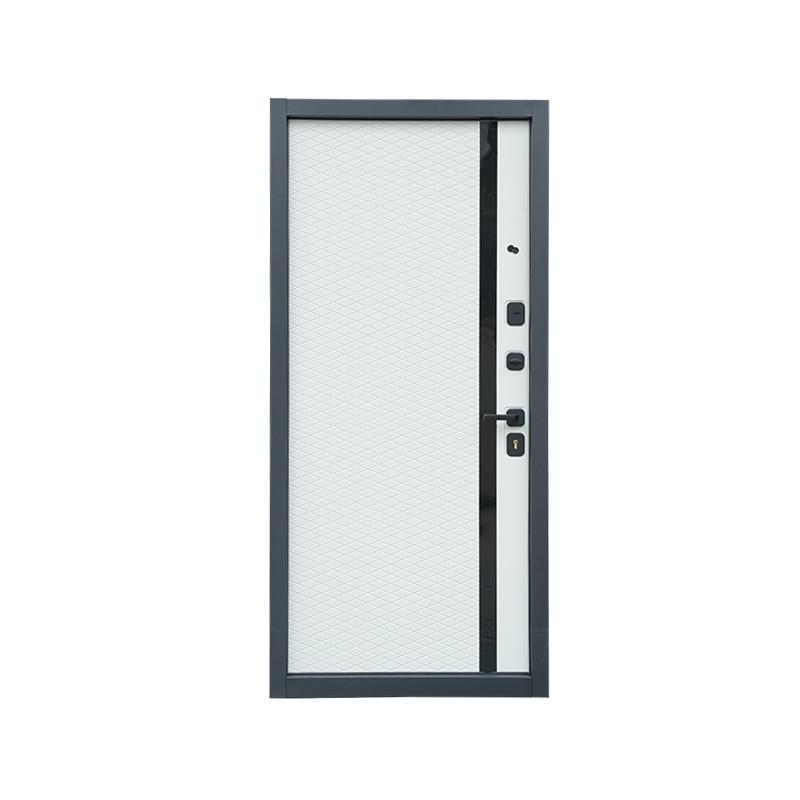
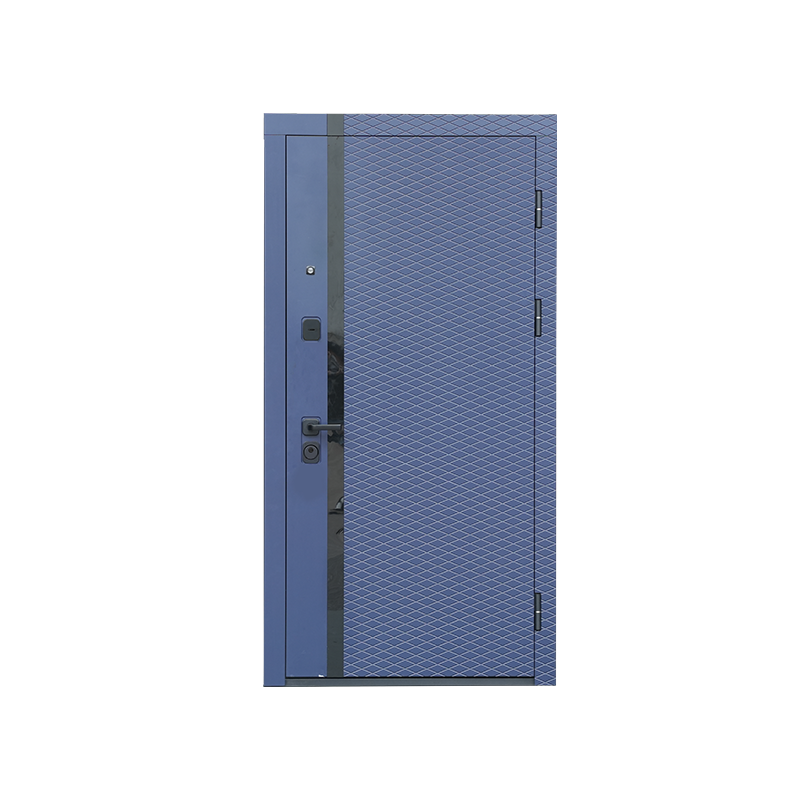
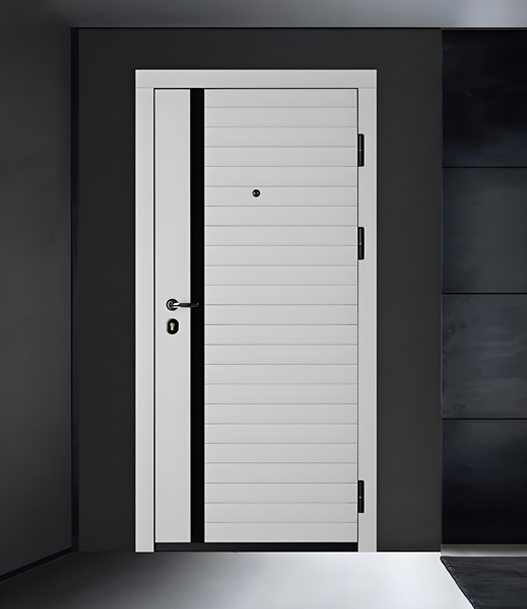
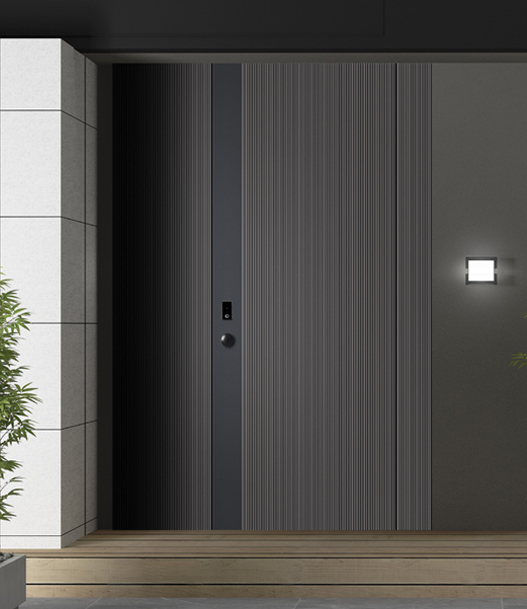
Beyond their functional role in safety, fireproof doors are also evolving to meet architectural and aesthetic requirements. Designers and developers increasingly demand doors that combine performance with visual appeal. As a result, fireproof doors are available in a wide range of finishes, colors, and materials that blend seamlessly with surrounding interiors. Options include powder-coated steel, laminated wood textures, and decorative veneers that complement modern building designs. For commercial applications, full-glass fire-rated doors with sleek aluminum frames offer transparency while maintaining required fire protection levels.
Energy efficiency has become another important consideration in fireproof door development. Insulated fire doors help maintain interior temperature stability, contributing to lower heating and cooling costs. Properly installed fire doors also support air-tightness and acoustic insulation, improving comfort and environmental control within buildings. The expansion of urban development and the tightening of energy regulations highlight the long-term value of these dual-purpose designs in supporting both safety and sustainability.
The global fireproof door market continues to grow, driven by stricter fire safety regulations and rising awareness of building security. Construction industries in regions such as Asia-Pacific, Europe, and North America are increasingly adopting advanced door systems to meet evolving codes and insurance requirements. Demand is particularly strong in public infrastructure projects, high-rise residential complexes, and transportation hubs, where fire safety standards are rigorously enforced. Renovation projects in older buildings are fueling replacement demand, as outdated wooden or non-rated doors are upgraded to meet modern fire-resistance criteria.
In manufacturing, competition focuses on material quality, certification compliance, and customization capability. Leading producers are investing in automated production systems that improve consistency and reduce human error. Some companies offer modular fire door solutions that can be tailored to different fire ratings, dimensions, and design preferences. This flexibility allows architects and engineers to integrate fireproof doors efficiently within broader building safety systems.
The future of fireproof doors will likely emphasize innovation in smart safety integration, lightweight materials, and sustainable production. Urban environments are becoming denser, and safety expectations are rising, making fireproof doors an indispensable element of modern construction that supports both the protection of life and the long-term resilience of buildings.