

 русский
 Español
 عربى
عربىWood, Panels, and a Dash of Craftsmanship
Russian doors have a long-standing reputation for combining solid construction with practical design. The production process begins with selecting appropriate materials that can withstand daily use while providing structural integrity. Wood is often the primary material, including varieties such as oak, pine, or birch, selected for strength and durability.
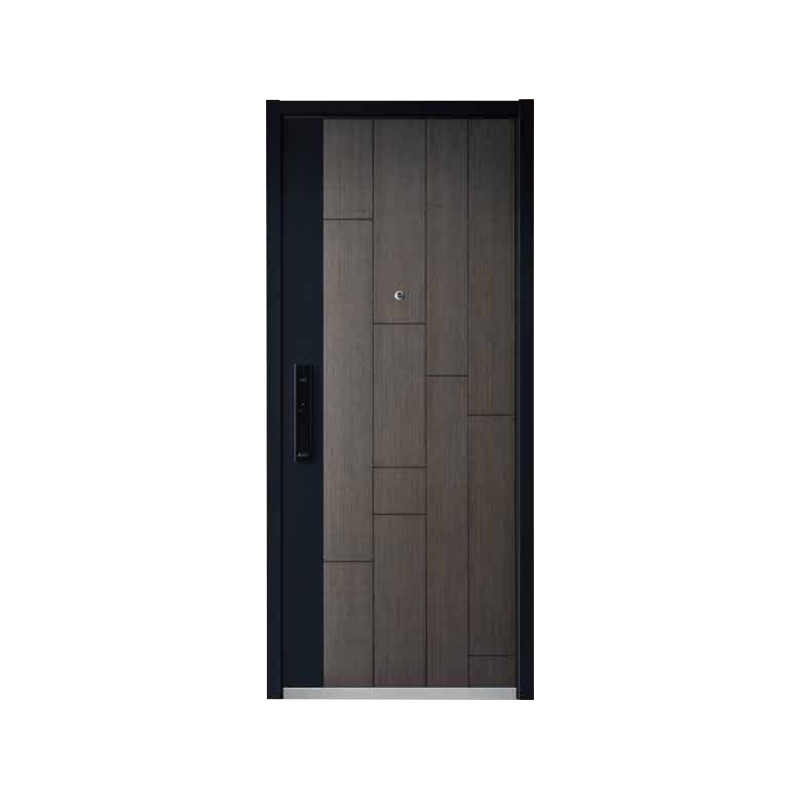
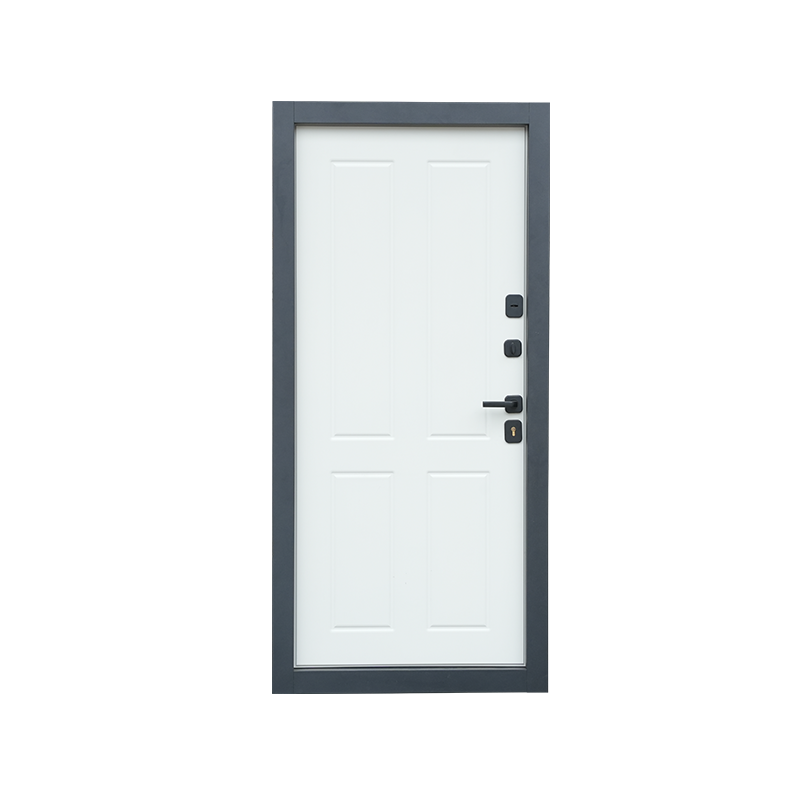
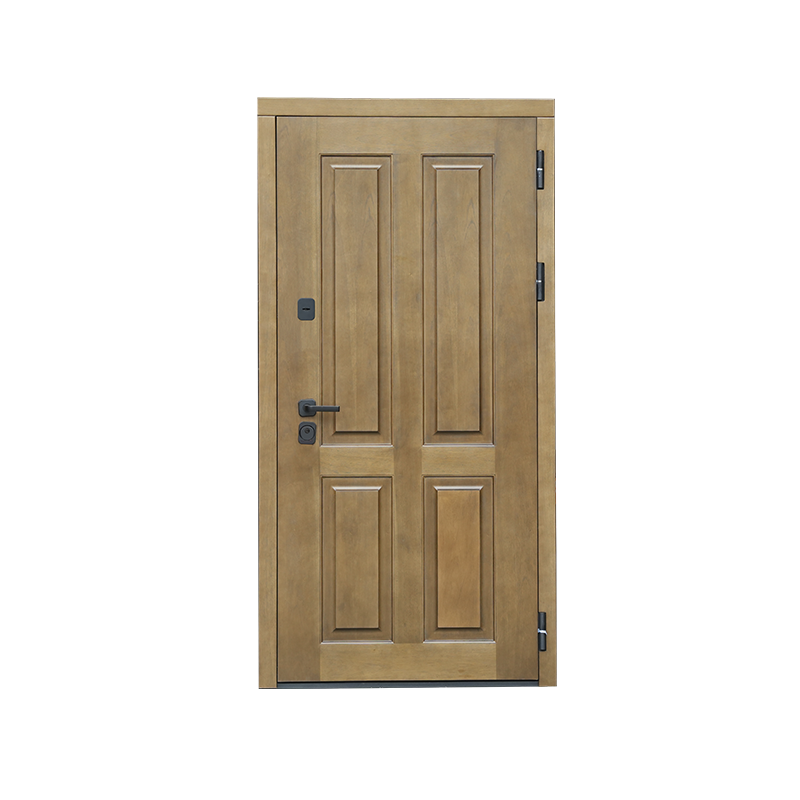
Design considerations are also central to manufacturing. Frames are carefully measured to match standard doorway sizes or customized to fit unique openings. Panels are designed to balance aesthetics with functional strength. Many Russian doors feature recessed or raised panels, providing both visual interest and structural reinforcement. In addition, decorative moldings, grooves, or carvings may be integrated, depending on the intended style. Manufacturers ensure that these design elements do not compromise the door’s overall rigidity or alignment during installation.
From Sawdust to Solid Door: The Making Process
The production of Russian doors involves a combination of precise woodworking, assembly, and finishing techniques. Large boards are first cut and planed to exact dimensions. Joints are prepared using mortise-and-tenon, tongue-and-groove, or dowel connections to ensure strong adhesion between frame and panels. Advanced machinery assists with shaping, routing, and sanding, allowing consistent panel depth and smooth surfaces.
After preliminary shaping, the assembly process begins. Panels are fitted into frames, and glue or mechanical fasteners secure the components. Reinforcement blocks may be added to strengthen critical points, such as hinges or lock areas. Hardware installation, including hinges, locks, and handles, is carefully performed to guarantee smooth operation and alignment. Throughout manufacturing, quality checks are performed to verify structural integrity, panel alignment, and overall finish. Any deviation is corrected immediately to maintain consistency across production batches.
Doors That Work Hard and Look Good
Russian doors are designed to provide both practical function and visual appeal in residential or commercial spaces. Their construction ensures durability, making them suitable for frequent opening and closing. The weight distribution of the frame and panels is calculated to reduce stress on hinges and minimize warping over time. Users benefit from solid construction that remains reliable in daily use, including in areas with high traffic.
Functionality is enhanced through carefully engineered hardware placement. Hinges are mounted for stability, and locks are positioned to ensure secure closure. Panel design, combined with reinforcement blocks, allows the door to resist deformation under force. In some models, multiple panels or double doors provide additional flexibility, enabling larger openings or improved air circulation while maintaining security and style. The versatility of Russian doors makes them suitable for various interior designs, from traditional settings to modern layouts.
Old-School Craft Meets Modern Flair
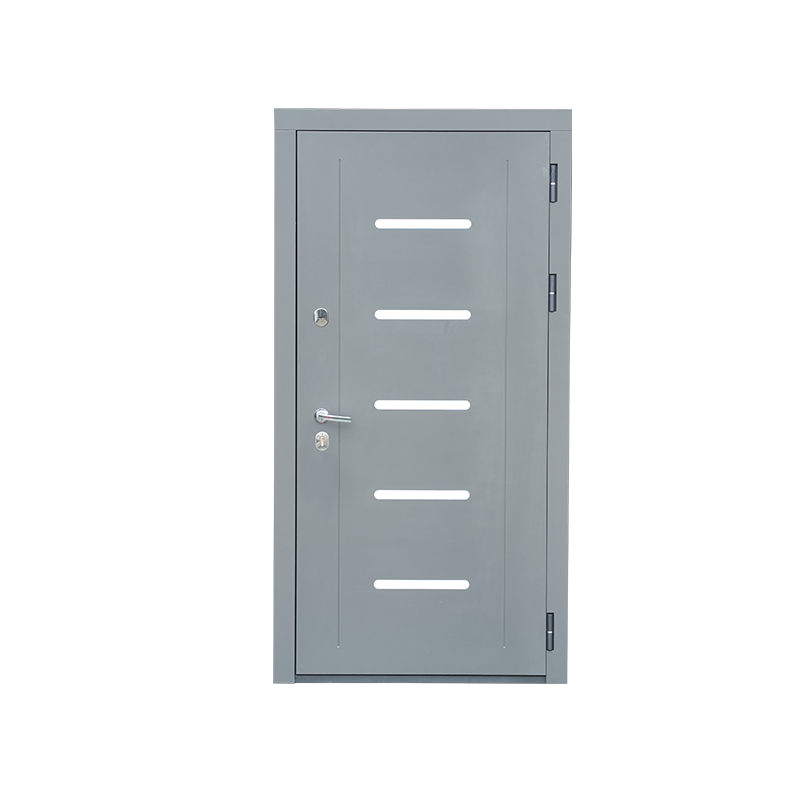
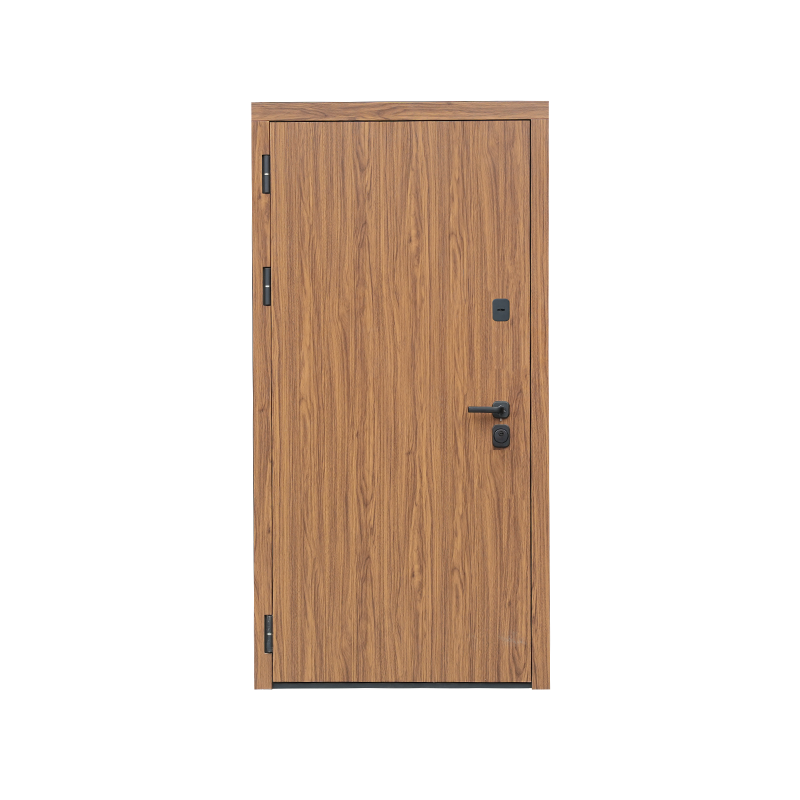
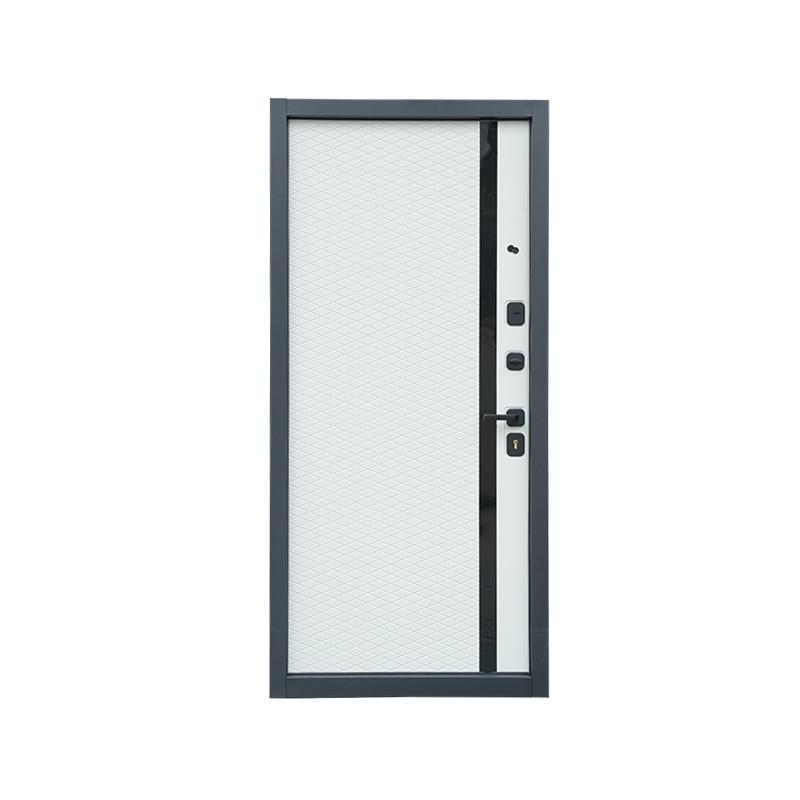
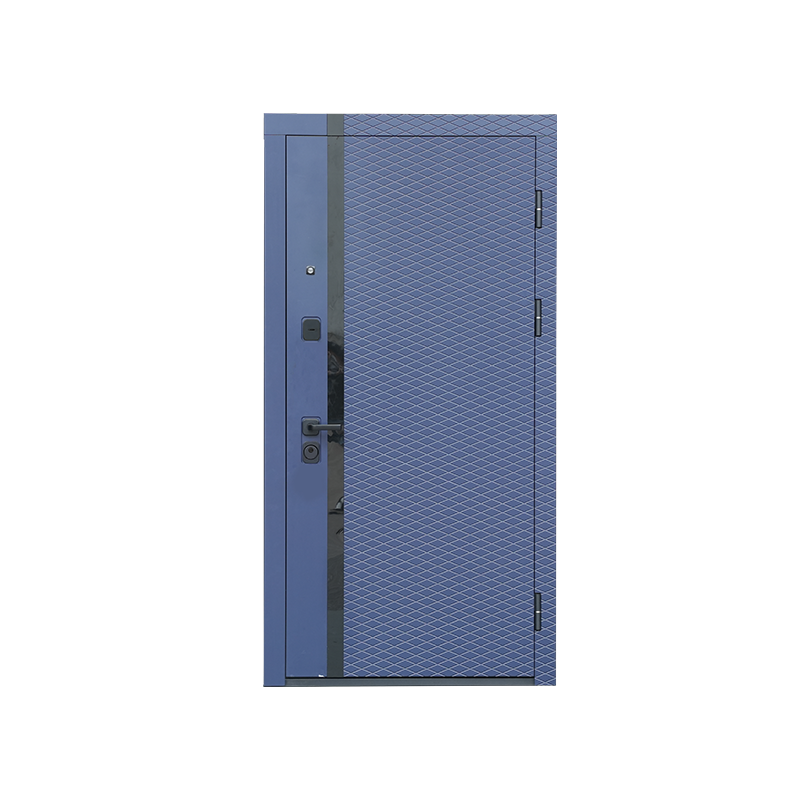
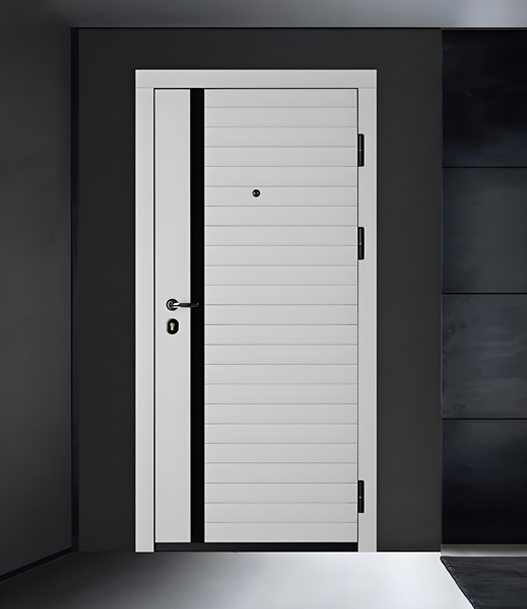
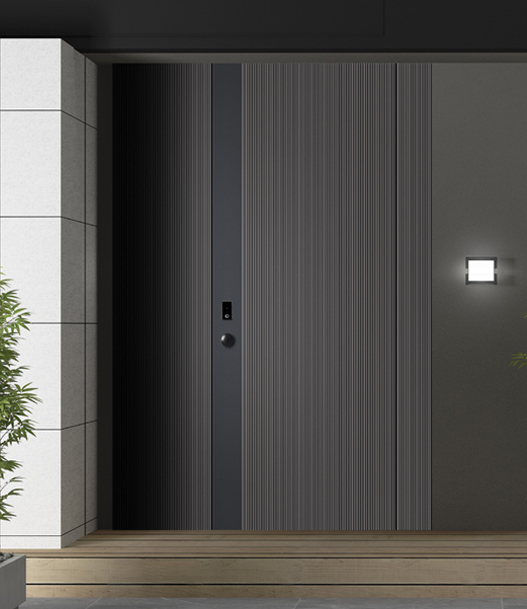
While maintaining traditional construction principles, Russian doors have evolved to include modern adaptations. Manufacturers experiment with surface treatments, finishes, and textures to expand design options. Laminates or veneers can replicate the appearance of exotic woods while reducing weight. Some doors incorporate glass inserts or cutouts for light transmission without sacrificing strength.
Adaptation to modern spaces also involves adjusting size, weight, and installation requirements. Manufacturers create pre-finished doors ready for immediate installation, combining consistent panel design with functional hardware. Ergonomic considerations are included in handle and lock placement to enhance user experience. These innovations demonstrate how Russian doors continue to blend traditional craftsmanship with contemporary usage requirements, ensuring durability, functionality, and visual appeal for a variety of settings.