

 русский
 Español
 عربى
عربىConstruction and Material Composition
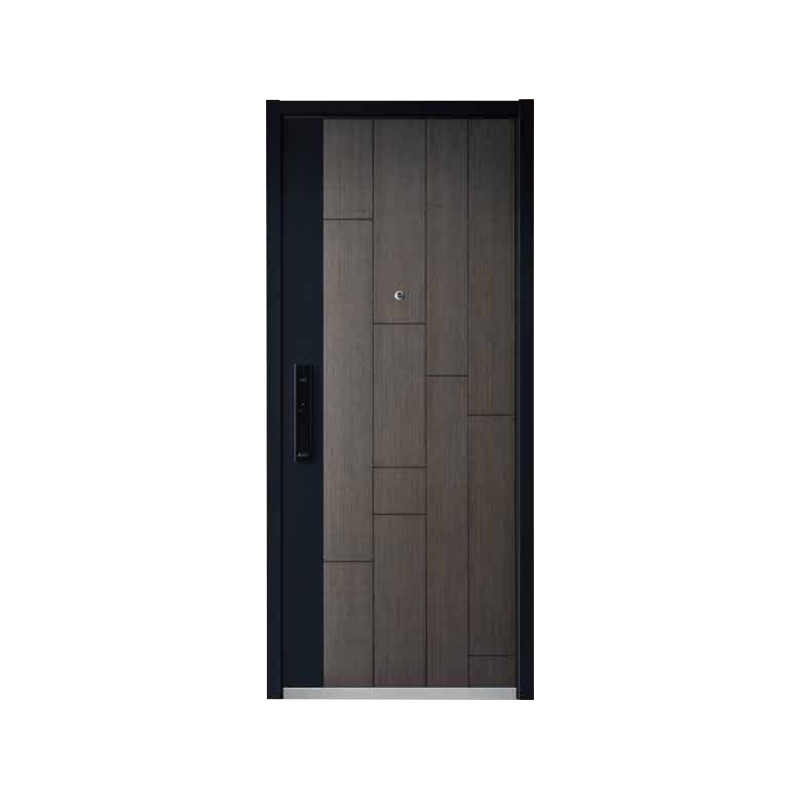
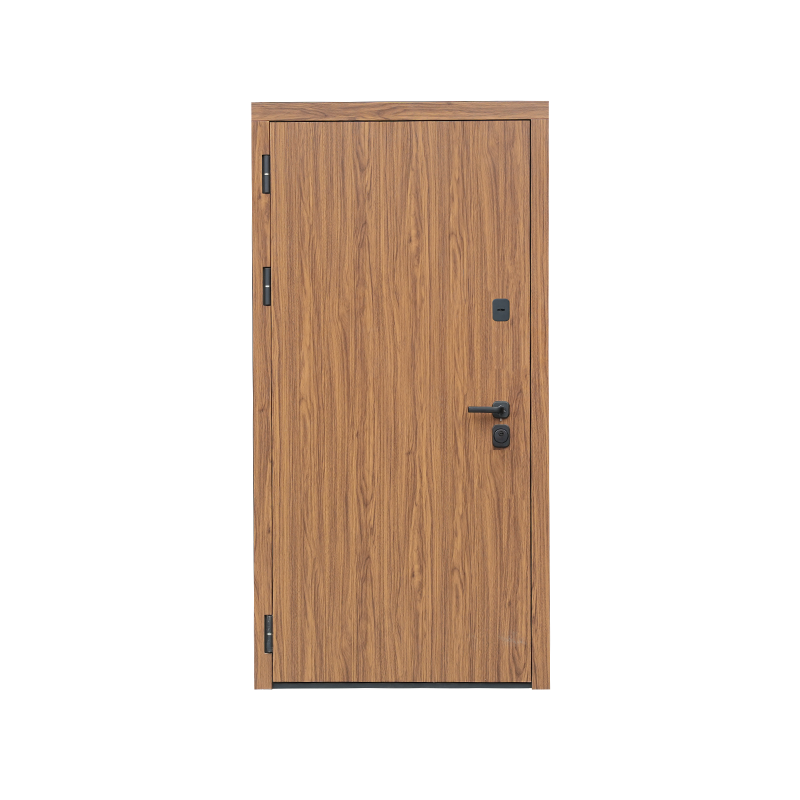
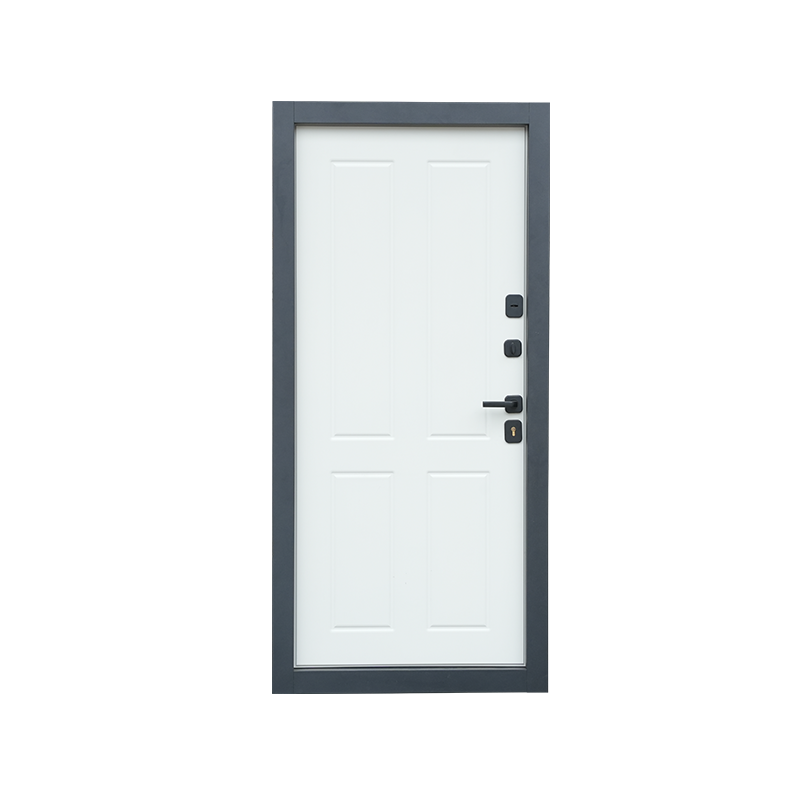
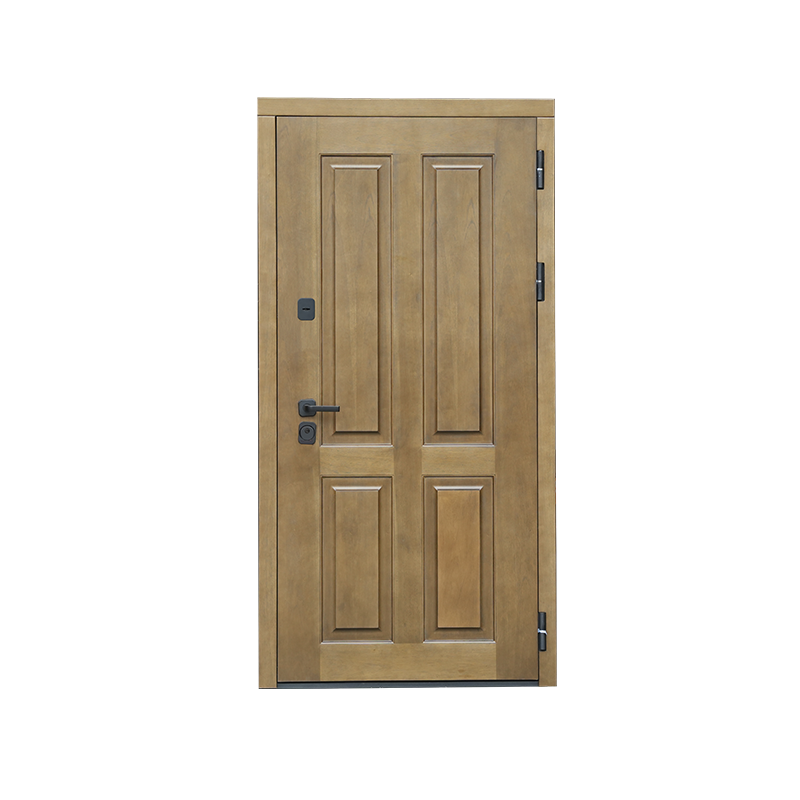
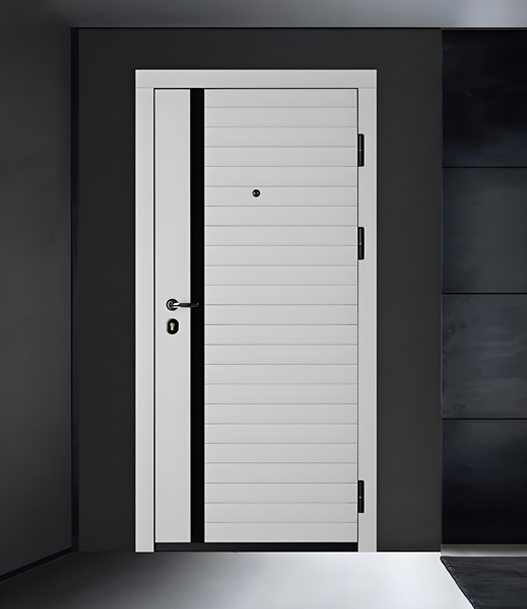
Steel wood doors combine the visual appeal of wood with the structural benefits of steel. Typically, the outer layer features high-quality wood, offering warmth, texture, and aesthetic charm. The internal core incorporates steel or metal reinforcements, enhancing strength, rigidity, and resistance to impact. This combination allows the door to maintain a natural appearance while providing additional durability compared to traditional wooden doors. Material selection is crucial, as the thickness and type of wood and steel determine the balance between weight, strength, and usability.
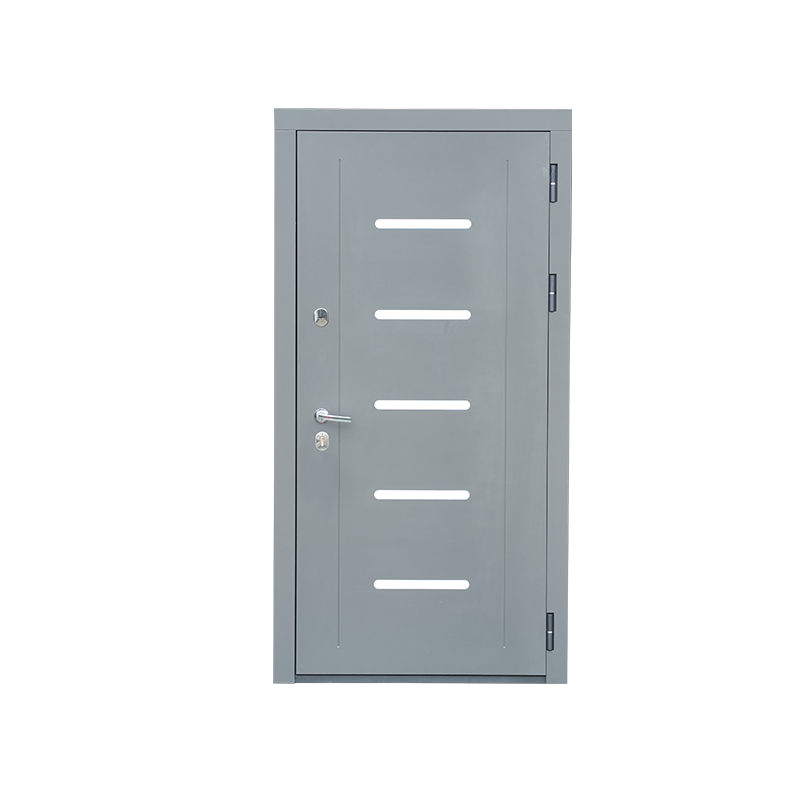
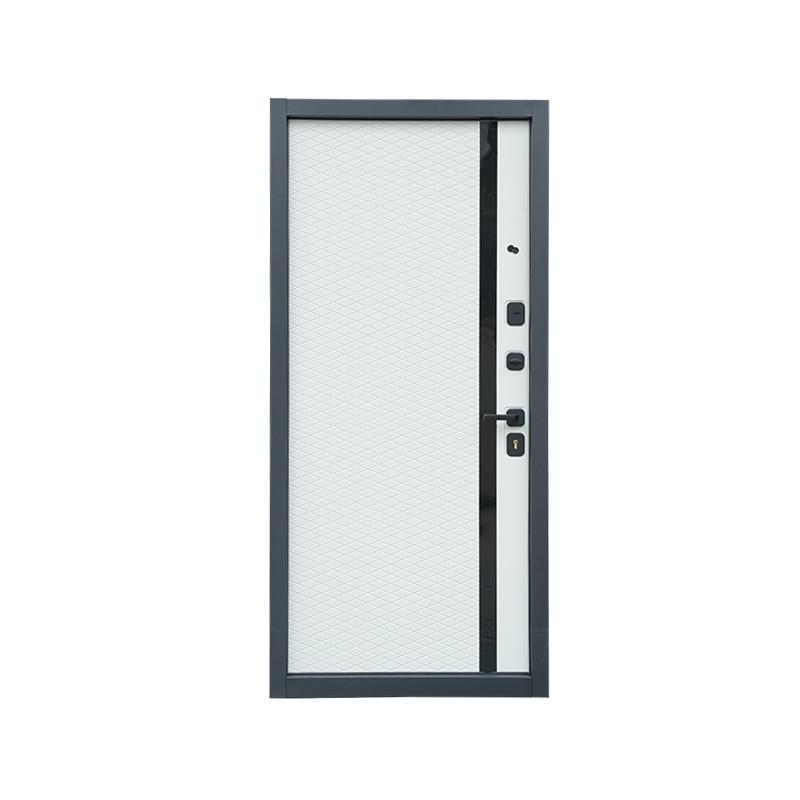
The design of steel wood doors emphasizes durability and stability. Reinforced frames, secure hinges, and precise panel construction contribute to long-lasting performance. Some doors include decorative panels, raised designs, or glass inserts, allowing users to customize appearance without compromising structural integrity. Steel reinforcements are often placed strategically within the door, supporting areas around locks and handles where strength is critical.
Security and Safety
Security is a major factor in the design of steel wood doors. The steel core provides resistance against forceful entry, while the wooden exterior maintains a welcoming appearance. Locking mechanisms, multi-point latches, and reinforced frames improve overall security. Some doors also include peepholes or small glass panels that allow visibility without reducing safety.By combining steel and wood, these doors provide a balance between protective performance and aesthetic appeal, making them suitable for homes, offices, and commercial spaces.
Steel wood doors also offer stability under varying conditions. The combination of materials reduces the risk of warping, swelling, or cracking, common issues with pure wood doors. The steel core supports structural rigidity, ensuring that doors remain secure and functional over time. Proper alignment and reinforced edges contribute to smooth operation and long-term usability, while also enhancing protection against external forces.
Aesthetic Design and Versatility
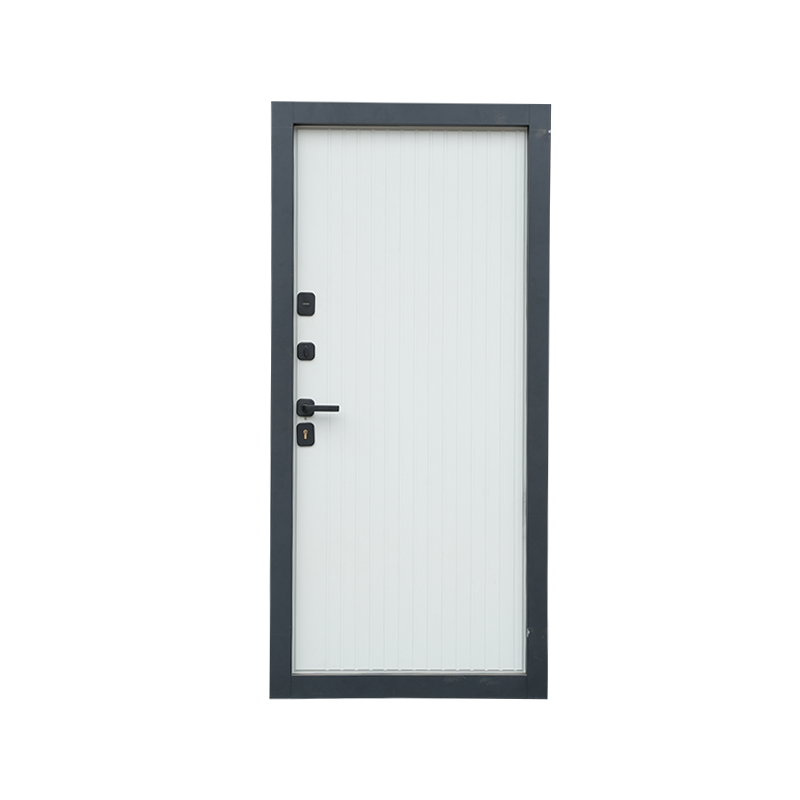
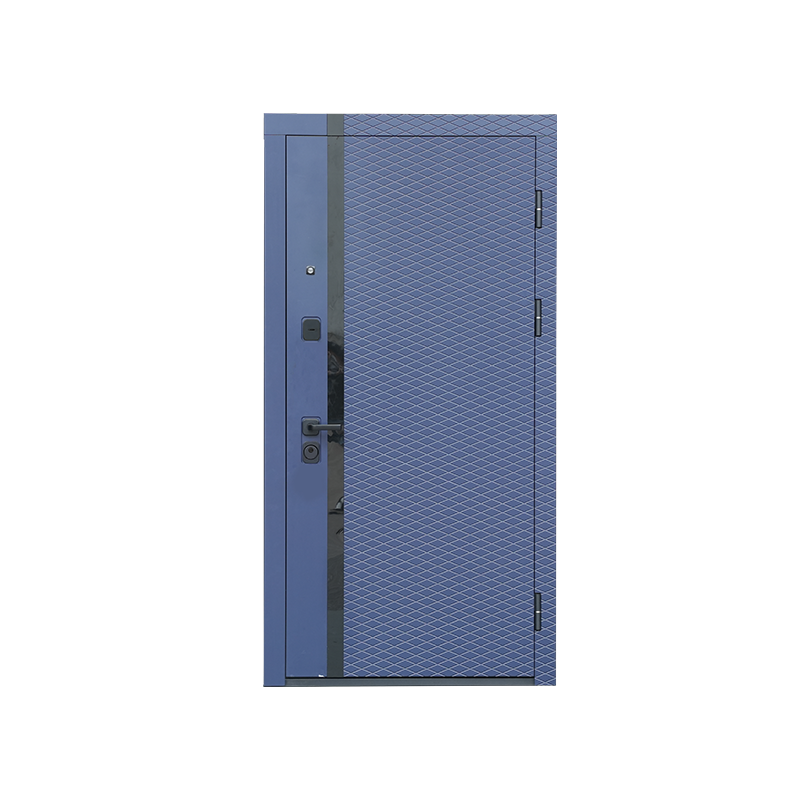
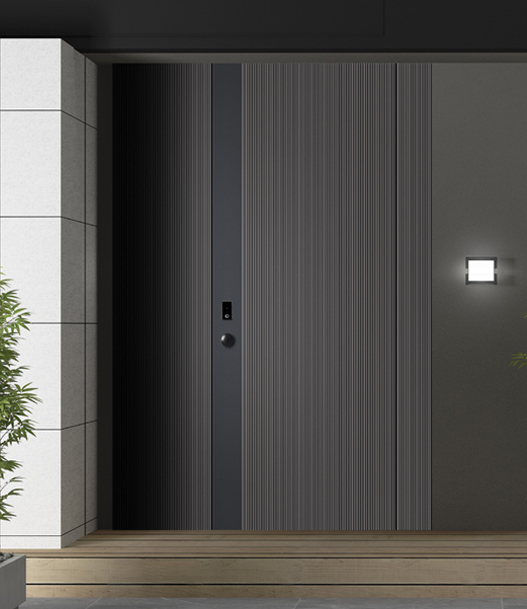
The aesthetic appeal of steel wood doors is a key reason for their popularity. Wood panels provide natural warmth, texture, and character, while steel elements can be hidden or incorporated subtly for a contemporary look. Doors may feature decorative finishes, glass inserts, or carved patterns, enabling a high level of customization. Colors, stains, and textures can be selected to complement architectural styles, interior designs, and exterior facades.
Versatility in design also extends to functionality. Steel wood doors can be customized in size, panel arrangement, and finish, allowing integration into a variety of building types. Some doors include sidelights or transom windows, adding visual interest while maintaining structural integrity. Hardware choices, such as handles, locks, and decorative accents, enhance style without sacrificing usability.
Functionality and Usability
Functionality is enhanced in steel wood doors through smooth operation, secure locking systems, and long-lasting durability. Reinforced hinges and balanced weight distribution allow for easy opening and closing, even in larger or heavier models. Adjustable thresholds, weatherstripping, and tight-fitting frames ensure that doors operate efficiently while providing protection against drafts or external debris.
Ease of access is another important aspect. Properly designed doors allow for comfortable use by people of varying ages and physical abilities. Handles, locks, and hardware are positioned to enhance ergonomics, ensuring that operation is straightforward and reliable. The steel and wood combination provides a door that balances strength with accessibility, allowing users to move items in and out easily while maintaining a secure entrance.