

 русский
 Español
 عربى
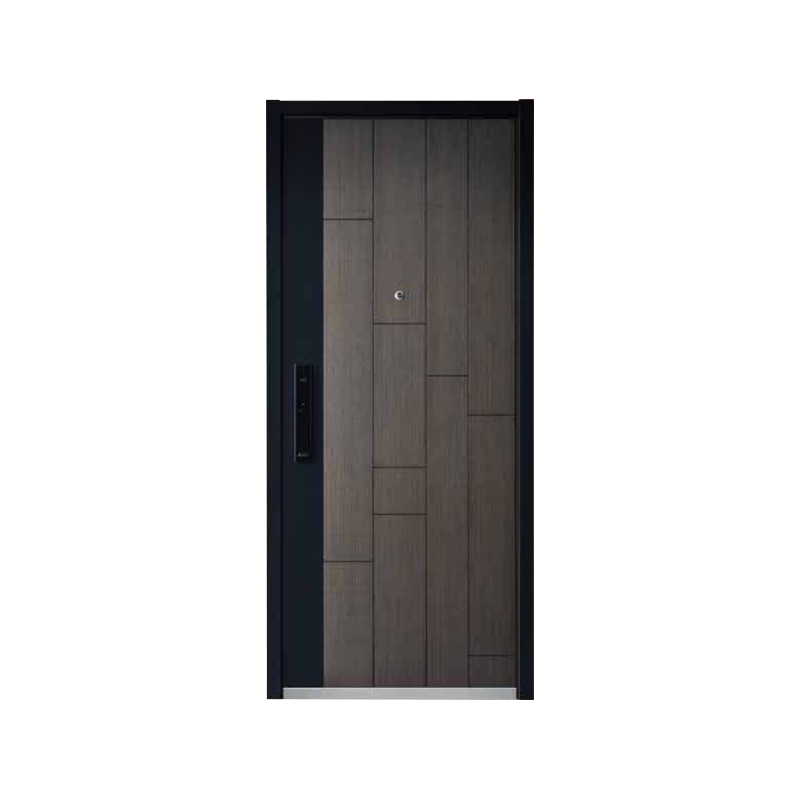
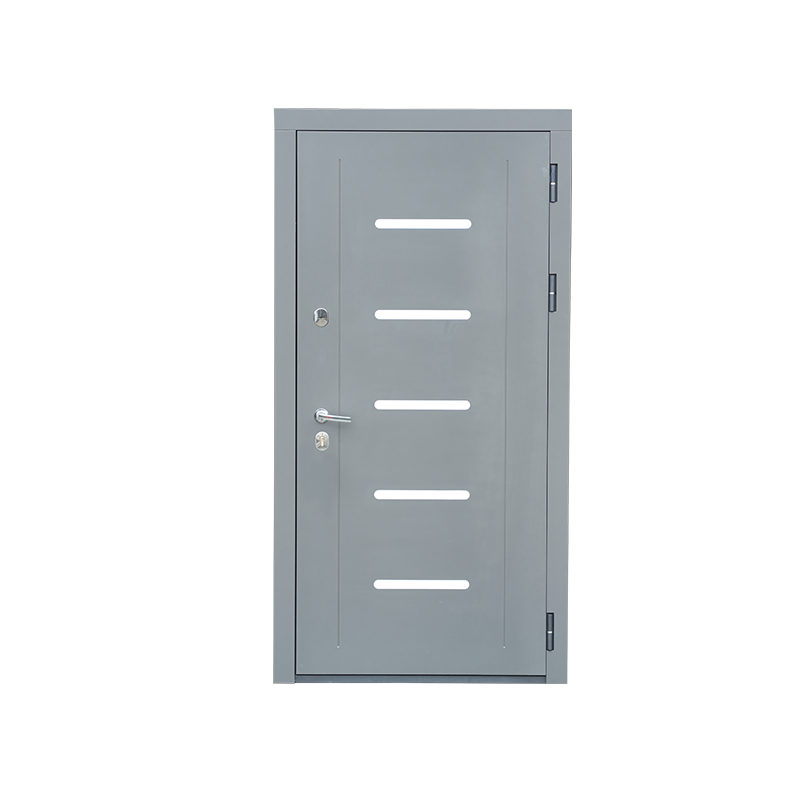
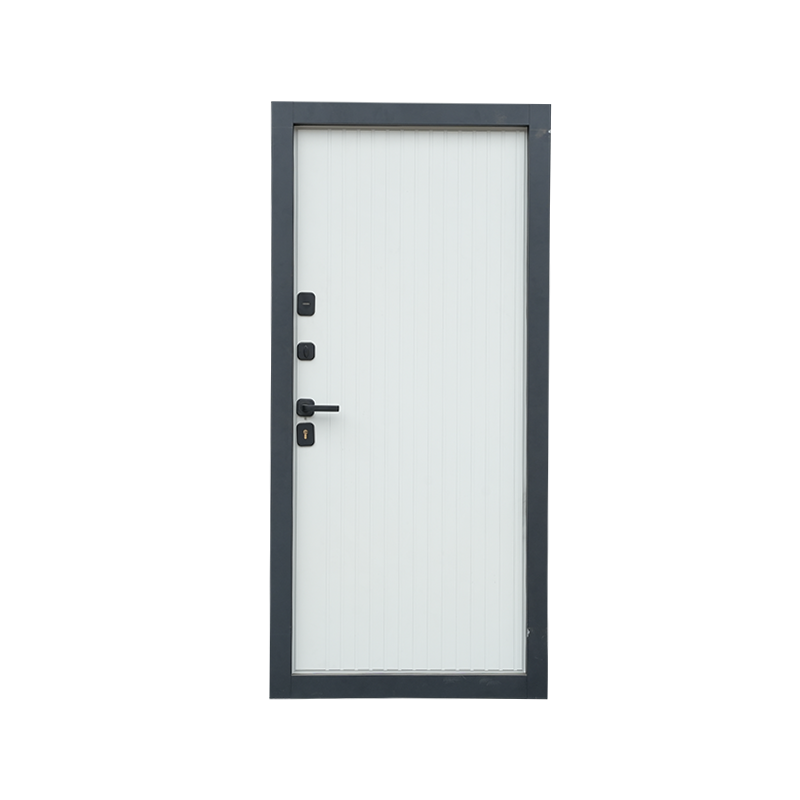
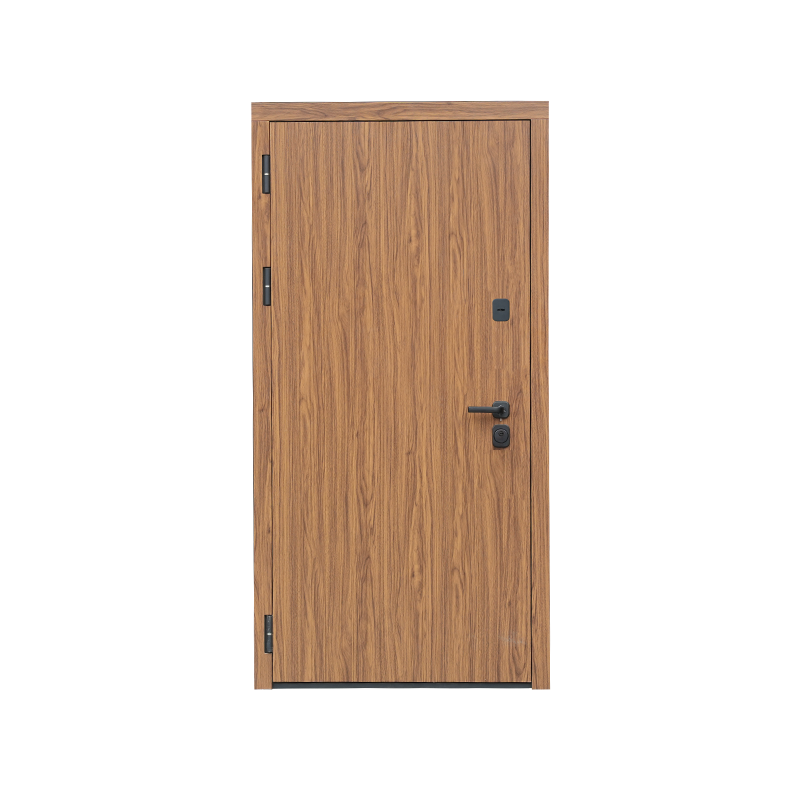
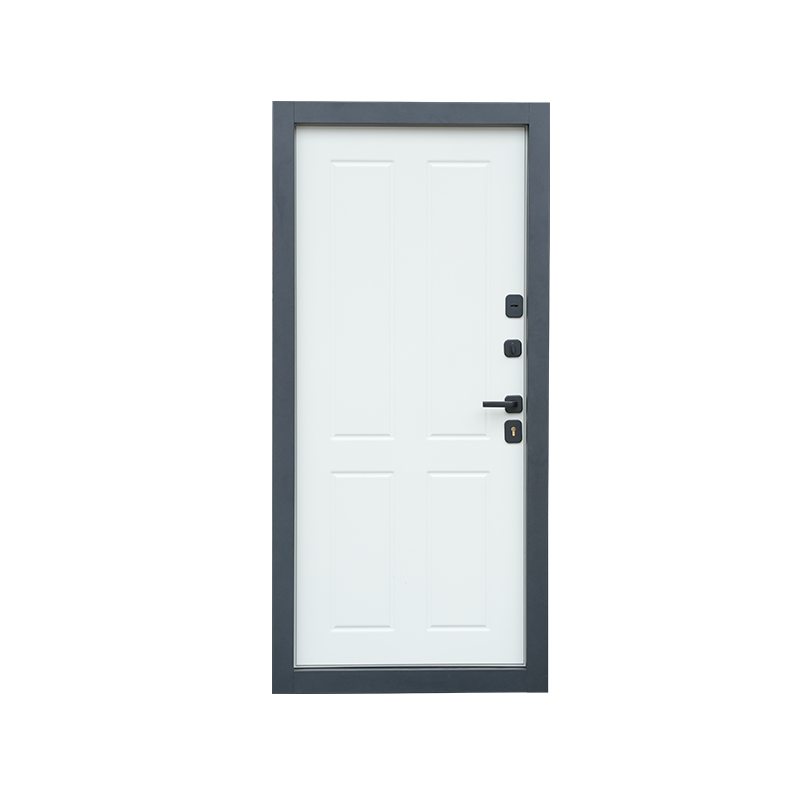
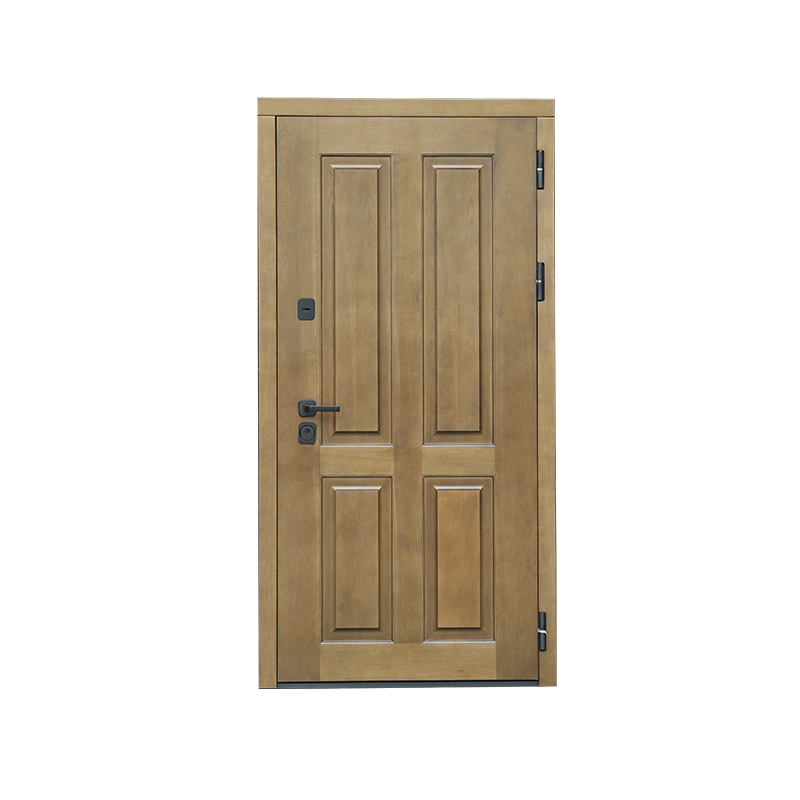
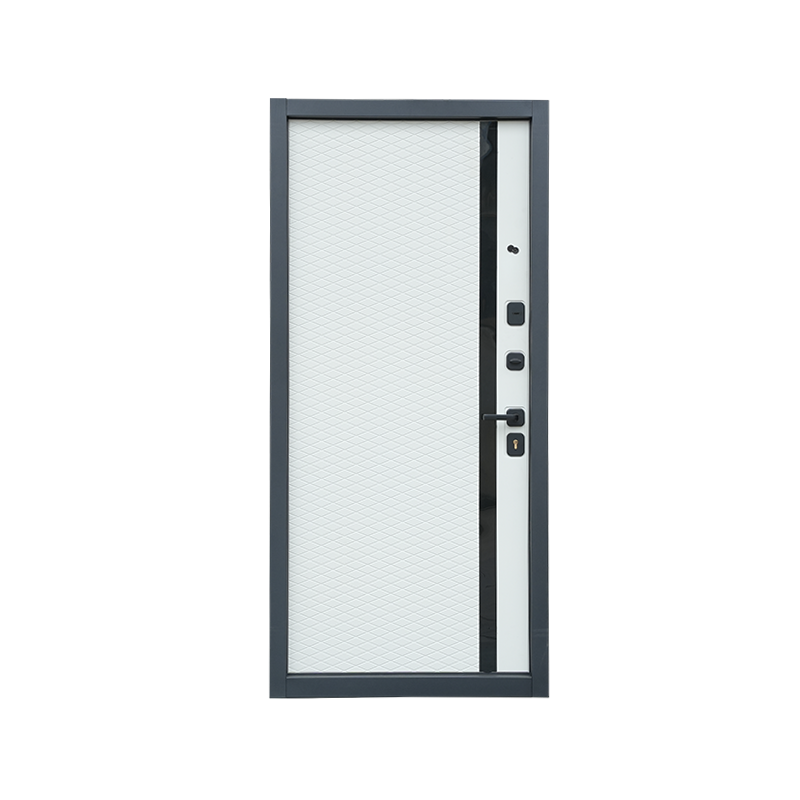
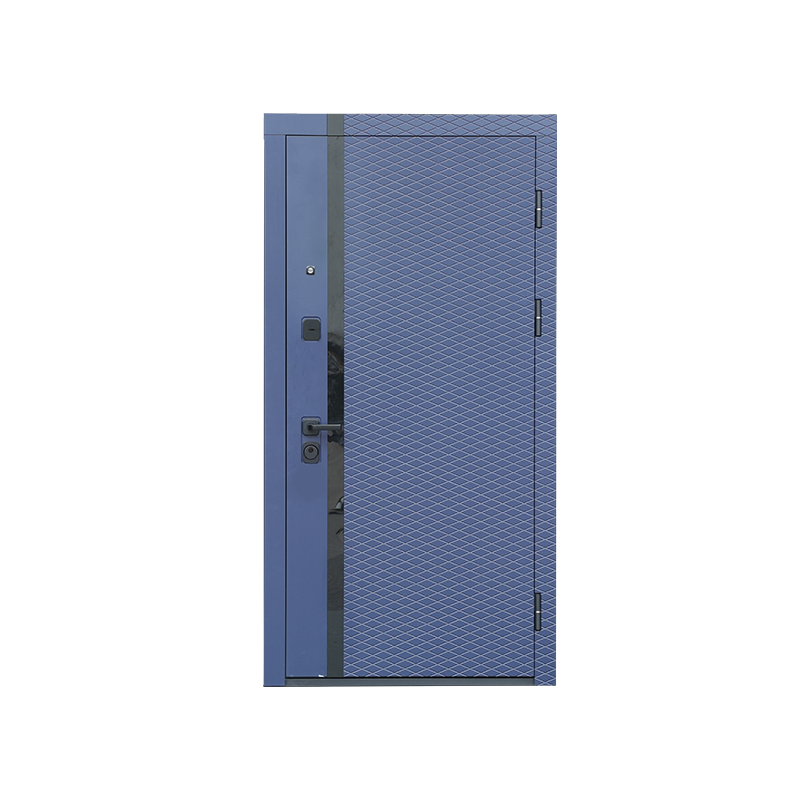
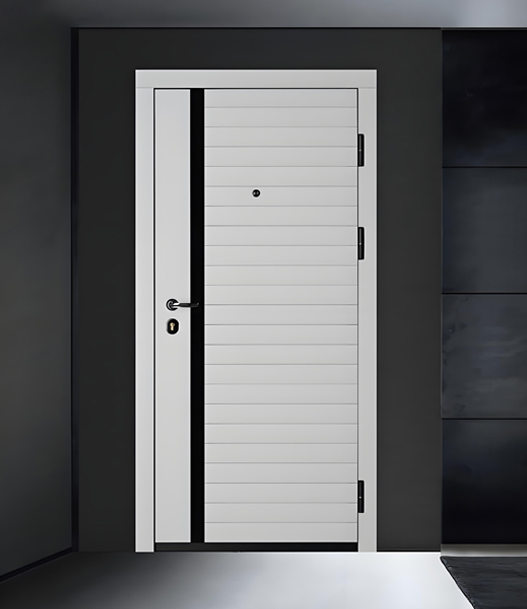
Entrance doors are an important part of building construction, combining structural requirements with architectural appearance. Different materials bring different characteristics to door manufacturing, and combining metal with wood creates an interesting balance between structural support and decorative design. A Steel-Wooden Entrance Door generally combines a steel structural layer with wooden panels or decorative surfaces. Its construction involves several connected manufacturing processes, including metal fabrication, panel processing, surface finishing, and final assembly.
How Steel and Wood Work Together
Steel and wood serve different functions within the door structure. Steel is commonly used for the internal frame or supporting layer, providing a rigid foundation for the door assembly. Wooden materials contribute to the external appearance, allowing manufacturers to create different colors, textures, and decorative patterns.
Depending on the design, the door may use a steel frame combined with MDF panels, natural wood veneers, or engineered wooden boards. The specific arrangement depends on the required dimensions, surface appearance, and structural configuration.
The connection between these materials is an important part of the engineering process. Panel thickness, steel frame dimensions, internal reinforcement, and connection methods all influence the finished door structure.
A Steel-Wooden Entrance Door can therefore have different internal and external configurations while maintaining a coordinated overall design.
Steel Frame Fabrication and Structural Assembly
The manufacturing process usually begins with preparing the steel components. Steel sheets or profiles are cut according to the door drawings and then processed into the required frame dimensions.
Depending on the product structure, manufacturers may use bending, punching, welding, and other metal fabrication techniques. These operations create the main frame and supporting sections.
Internal reinforcement components can also be incorporated into the structure. Their positions depend on the door dimensions, hardware locations, and overall construction design.
After the steel components are assembled, the frame is prepared for the next manufacturing stage. The accuracy of the frame dimensions is important because wooden panels, hinges, locks, and other fittings need to correspond to the established structure.
Wooden Panels and Decorative Finishes
Wooden panels give entrance doors much of their visual character. Manufacturers may use MDF, plywood, engineered wood, or selected natural wood materials according to the product specification.
MDF panels are frequently used because they can be processed into different shapes and decorative profiles. Natural wood veneers provide visible grain patterns, while laminated decorative surfaces offer a wider range of colors and textures.
Surface finishing may involve sanding, veneer application, laminating, painting, or other decorative treatments.
For a Steel-Wooden Entrance Door, the wooden surface needs to fit the steel structure while maintaining the intended visual appearance. Panel thickness, edge treatment, and surface texture are therefore considered during product development.
Customization for International Buyers
Overseas buyers may have different requirements regarding door dimensions, panel materials, surface colors, and hardware configurations.
OEM and ODM manufacturing services can support customized door drawings, wood-grain finishes, steel frame structures, handle styles, and packaging specifications.
Buyers can provide product drawings or reference designs to help manufacturers determine the required construction. Details such as door thickness, opening direction, frame dimensions, and surface treatment should be discussed before production begins.
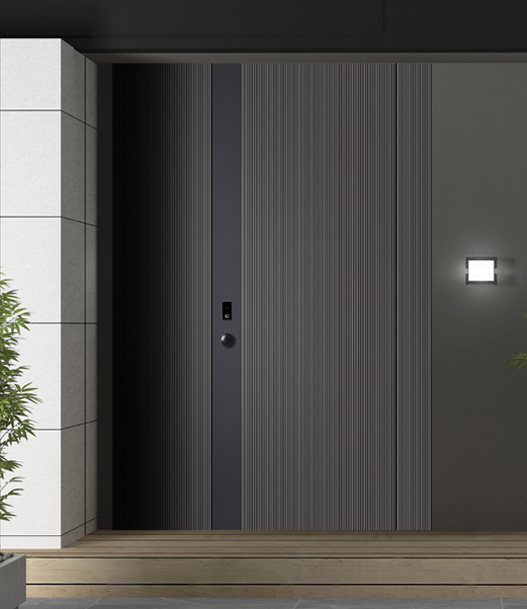
A Steel-Wooden Entrance Door can also be developed as part of a coordinated door collection, allowing distributors to offer different appearances while retaining a consistent structural concept.