

 русский
 Español
 عربى
Door Styles Reflect Different Architectural Needs
Architectural preferences vary between residential and commercial projects. Some buildings feature traditional panel doors, while others use simple geometric lines and restrained decorative details.
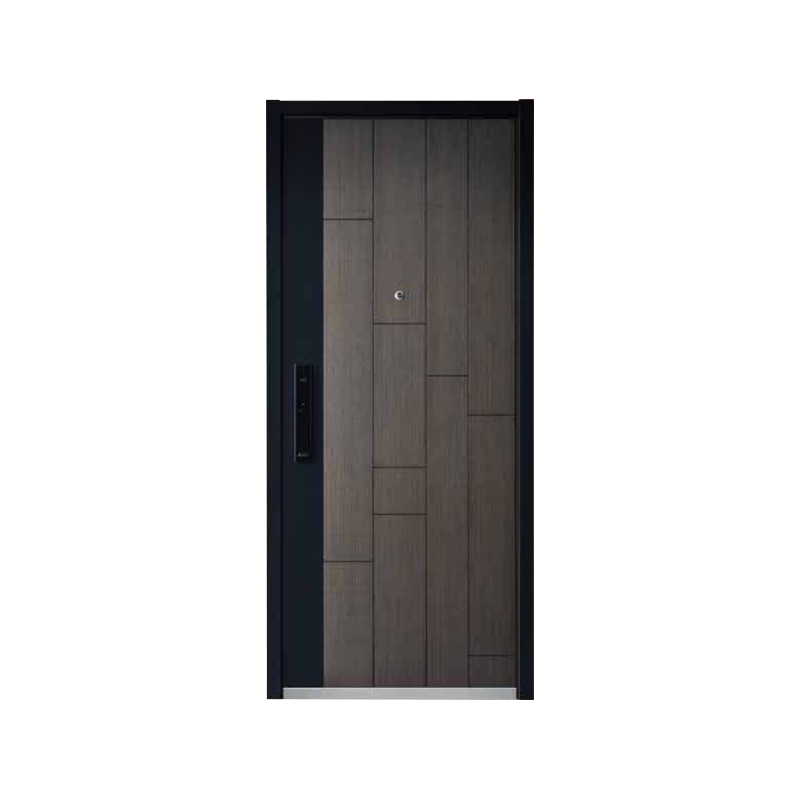
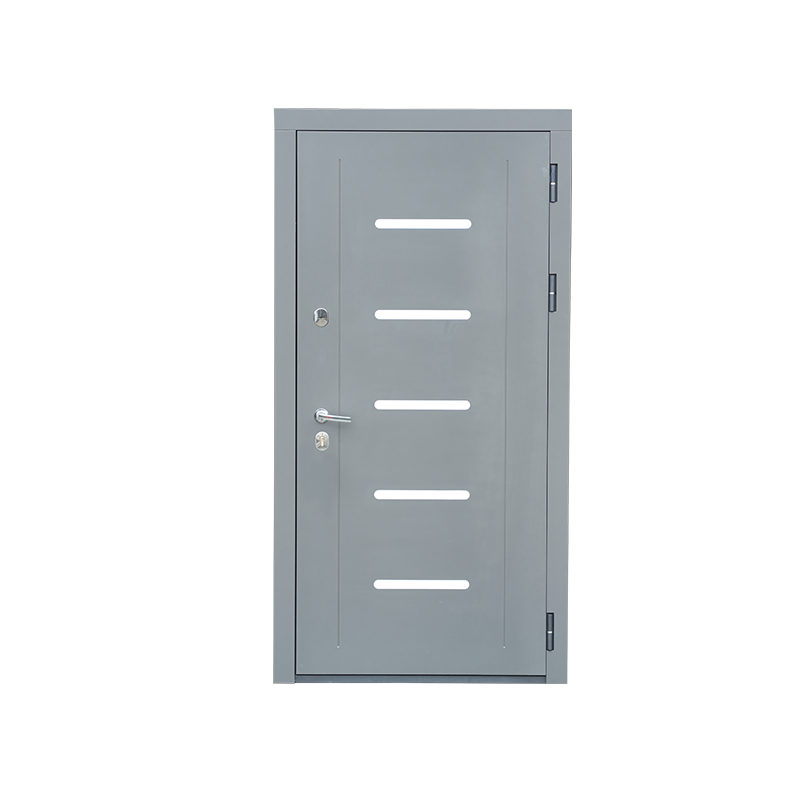
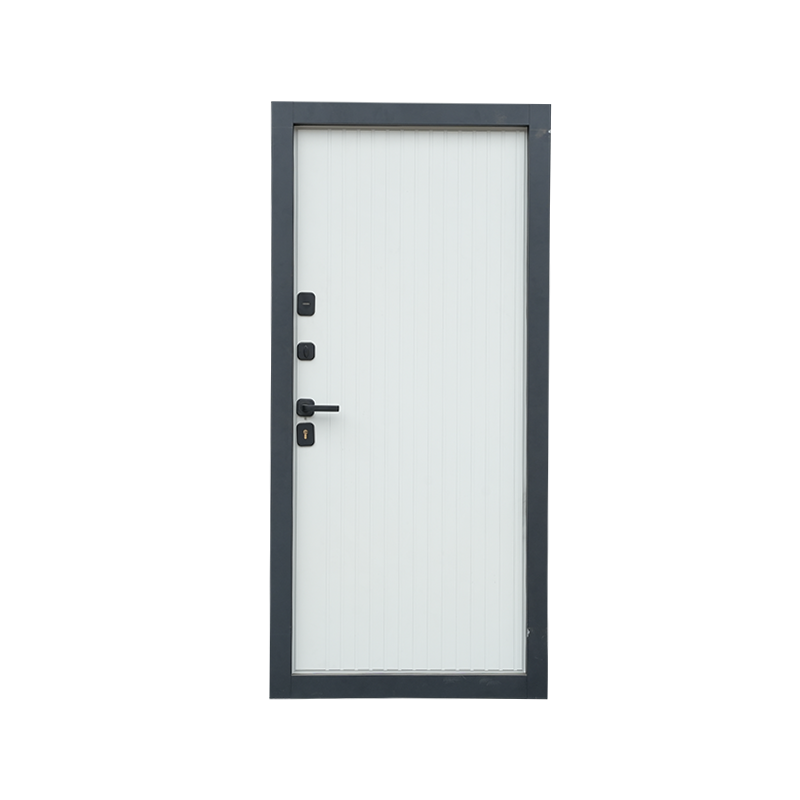
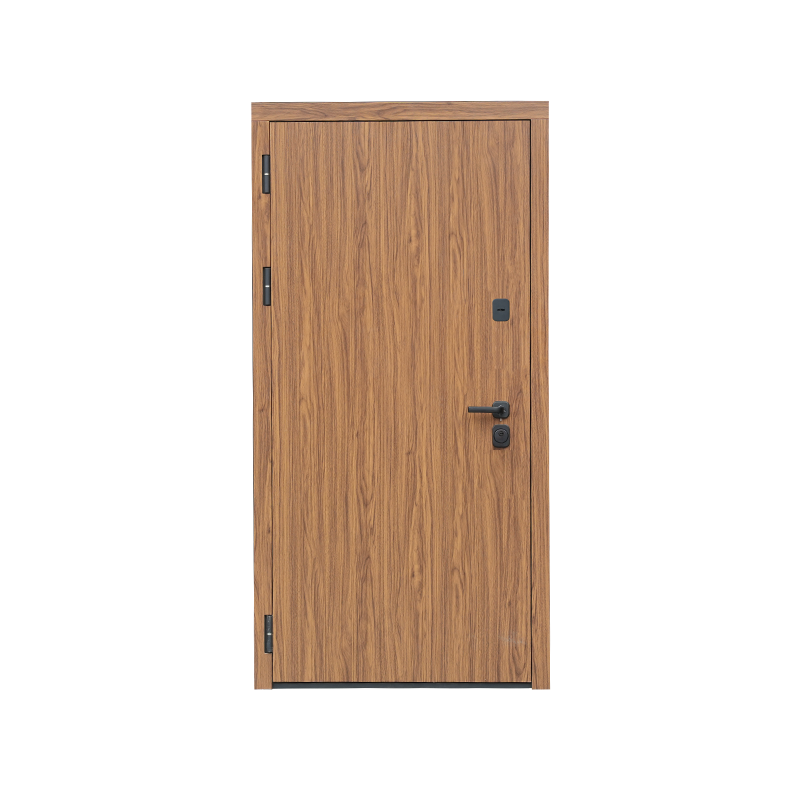
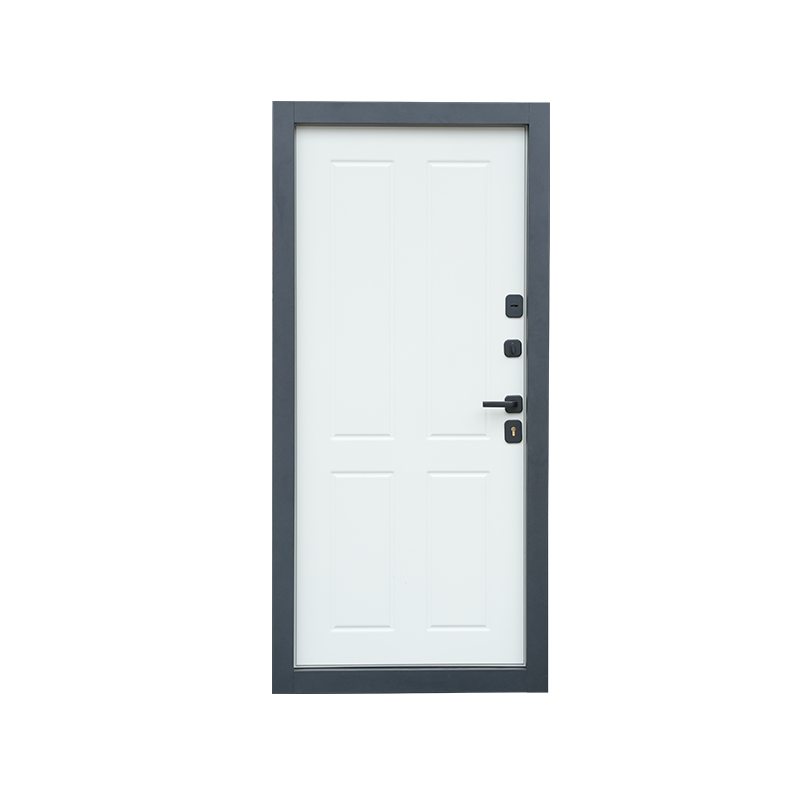
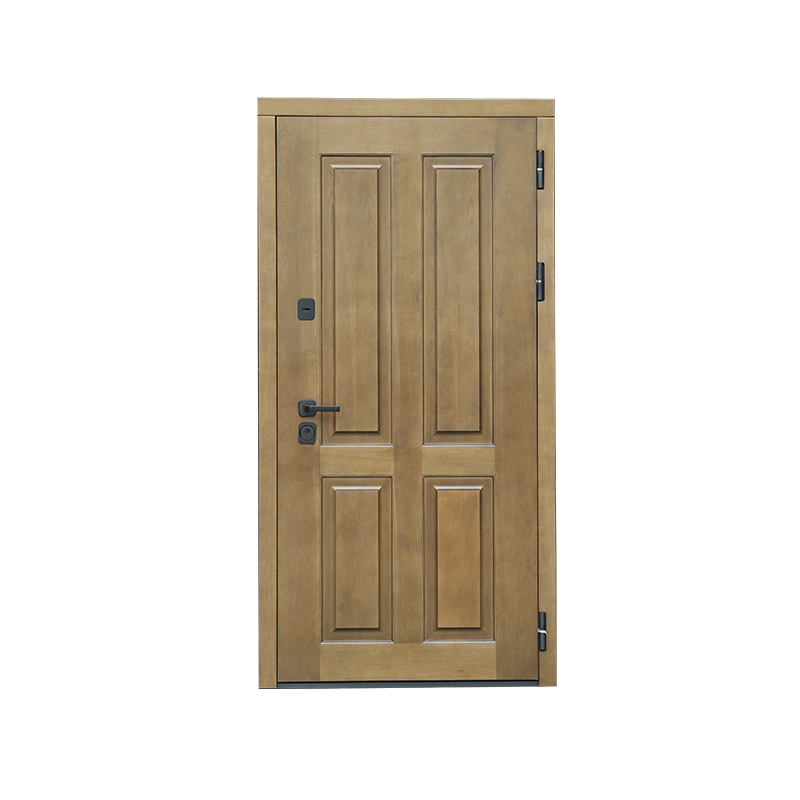
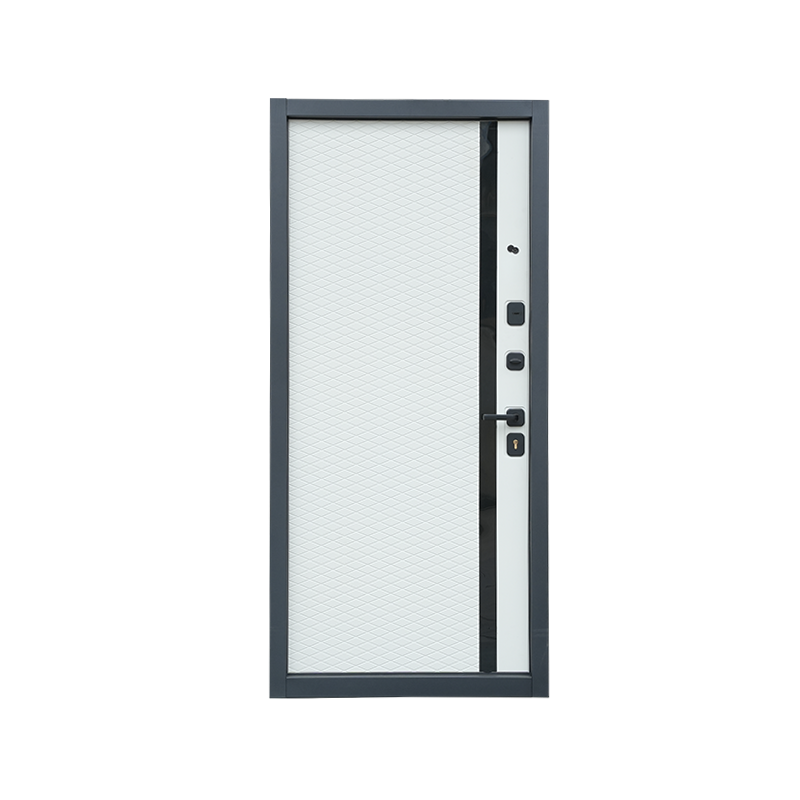
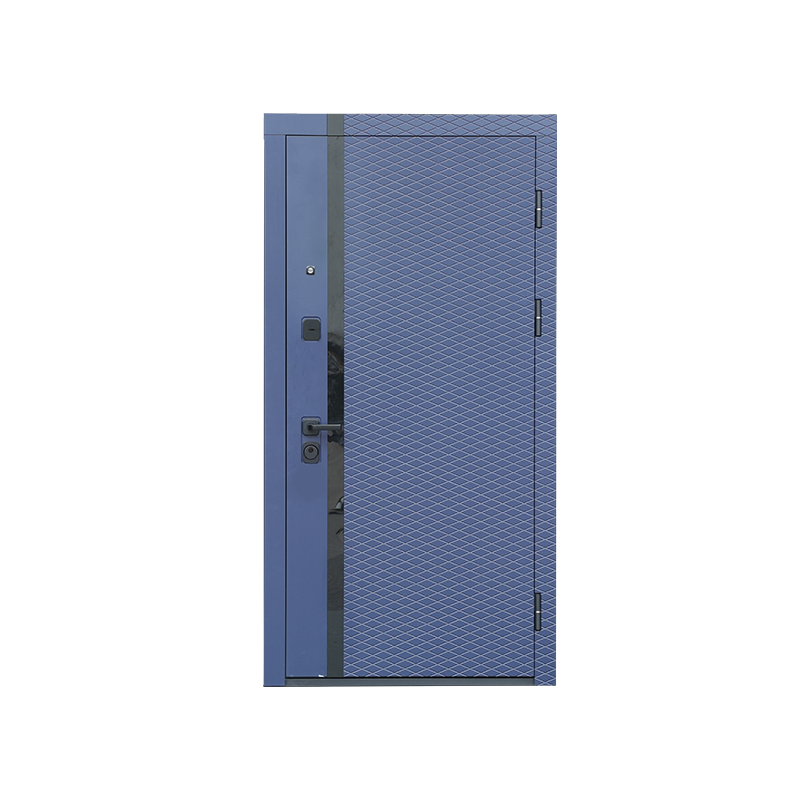
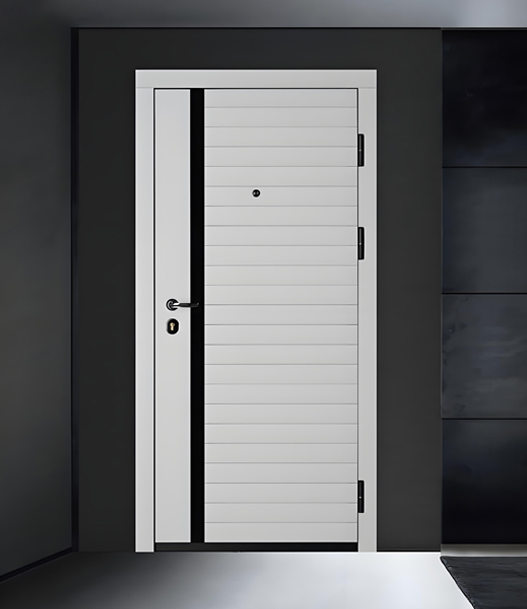
A Russian Door designed for a classic interior may include raised panels, wood-inspired finishes, or decorative molding. Contemporary designs may use flat surfaces, narrow borders, concealed hardware, or combinations of glass and metal.
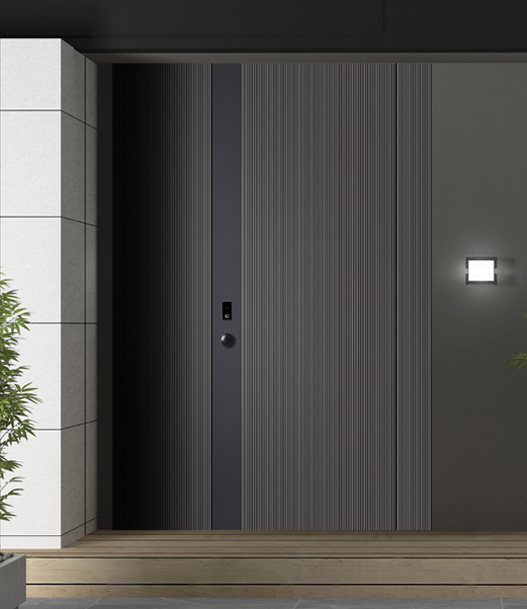
Exterior entrance doors also have distinct design considerations. Their appearance may need to coordinate with the building facade, entrance frame, surrounding wall materials, and other visible architectural features.
For manufacturers serving international markets, offering different colors, panel layouts, and surface treatments can help address these variations. Product descriptions should distinguish between decorative style and functional specifications so that customers can compare suitable options more easily.
Dimensions and Hardware Affect Installation
Door dimensions are central to product selection. Width, height, thickness, frame dimensions, and opening direction all influence whether a door can fit the intended opening.
A Russian Door supplied for a construction project may need to match an existing building layout or a standardized design specified by the project team. If the frame and door leaf are developed separately, their dimensions and connection details need to be coordinated.
Hardware is another important part of the product configuration. Hinges, locks, handles, closers, and other accessories affect how the door is installed and operated. Their placement should correspond with the door structure and the intended opening direction.
Before confirming an order, manufacturers and distributors can clarify:
- Door leaf and frame dimensions, including thickness and opening direction.
- Hardware configuration, surface finish, and any project-specific design requirements.
Clear specifications reduce misunderstandings when products move between manufacturers, distributors, and installation teams.
Customization Supports Different Project Requirements
Not every building project uses a standard door design. Property developers, contractors, and wholesale distributors may request variations in dimensions, colors, decorative patterns, or hardware arrangements.
A customized Russian Door can be developed around a defined product specification. Depending on the manufacturer's capabilities, customization may include changes to panel design, surface treatment, frame dimensions, handle placement, or packaging for distribution.
OEM and ODM services can also support businesses developing their own door product ranges. Under an OEM arrangement, a manufacturer produces doors according to the customer's specifications or designs. ODM services may provide existing designs that can be adapted to the customer's preferred product configuration.
For bulk orders, confirming drawings, samples, material choices, and production quantities before manufacturing helps align the finished products with the project requirements.
Russian Door Products in Residential and Commercial Projects
The demand for different door configurations is closely connected to the type of building and the function of each room. Apartment entrances, interior partitions, office rooms, hotel corridors, and retail spaces each present different design and installation needs.
For distributors, a clearly organized Russian Door catalog can separate entrance doors from interior models and distinguish products by material, surface treatment, dimensions, and design style. This structure makes it easier for project teams to identify relevant products and compare available configurations.
Manufacturers can also improve communication by providing consistent product descriptions, dimensional drawings, and hardware specifications. When product information reflects the actual construction and intended application, buyers can evaluate door options with greater clarity and coordinate their selection with the wider building project.