

 русский
 Español
 عربى
عربىWhen selecting an entrance door, property owners often face a straightforward question: should the priority be strength, appearance, or both? The steel-wooden entrance door has emerged as a widely used answer to this dilemma, combining the structural reliability of steel with the visual warmth of wood. This combination has made it a common fixture in residential buildings, apartment complexes, and commercial properties across various markets.
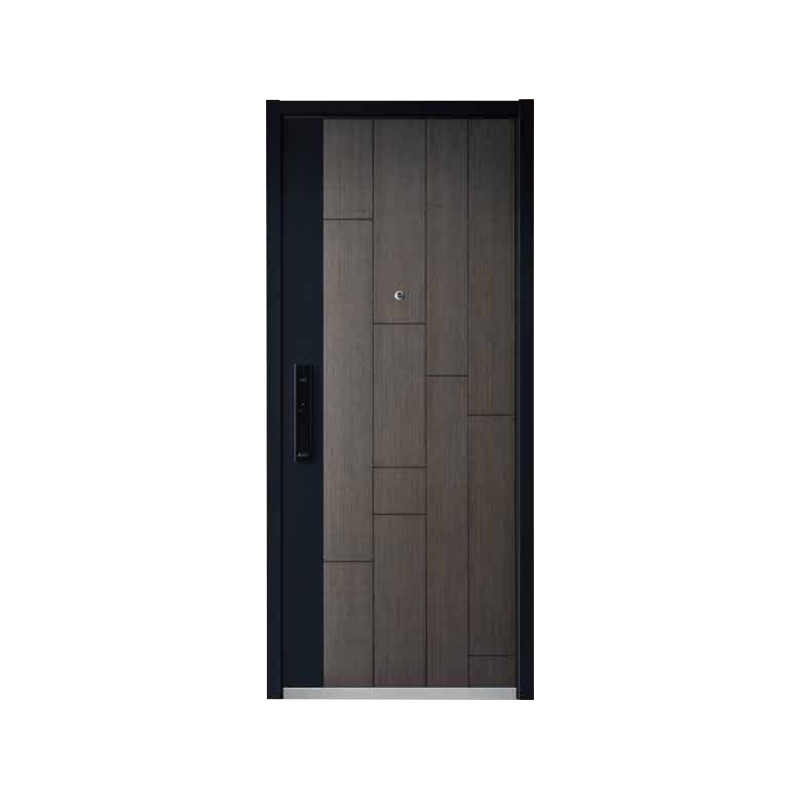
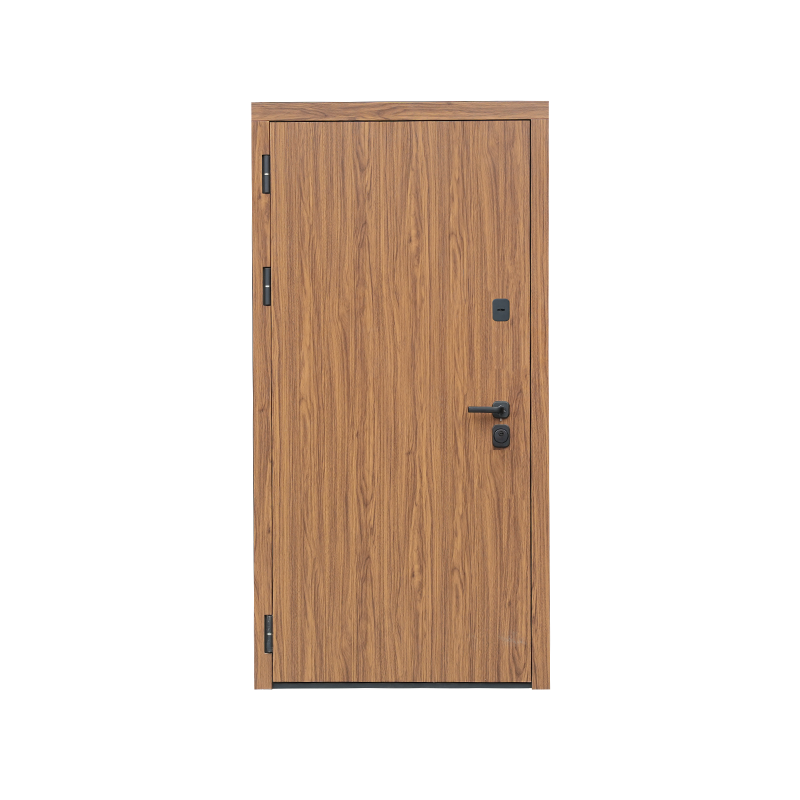
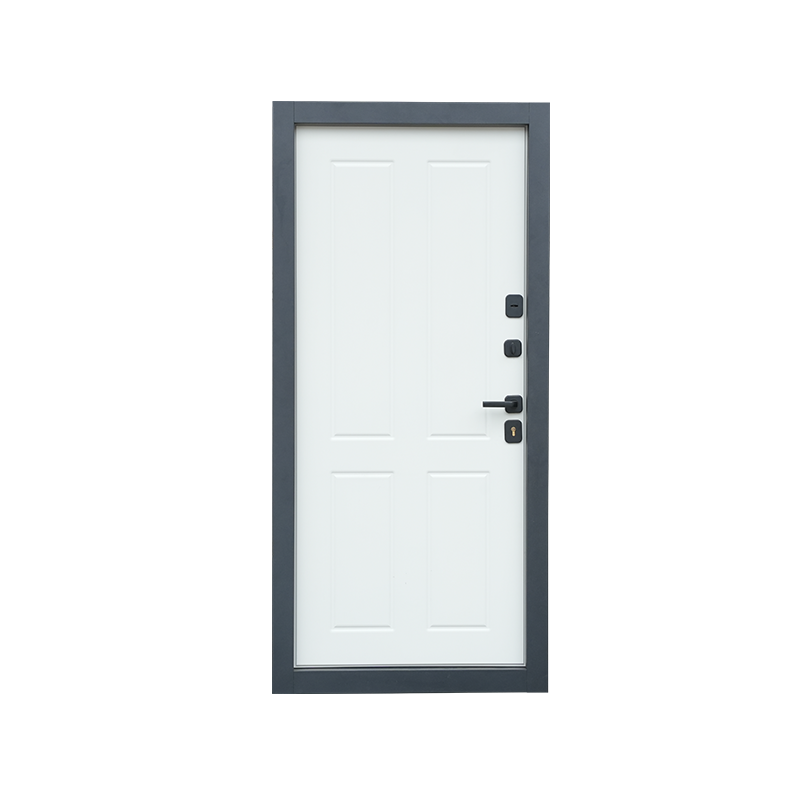
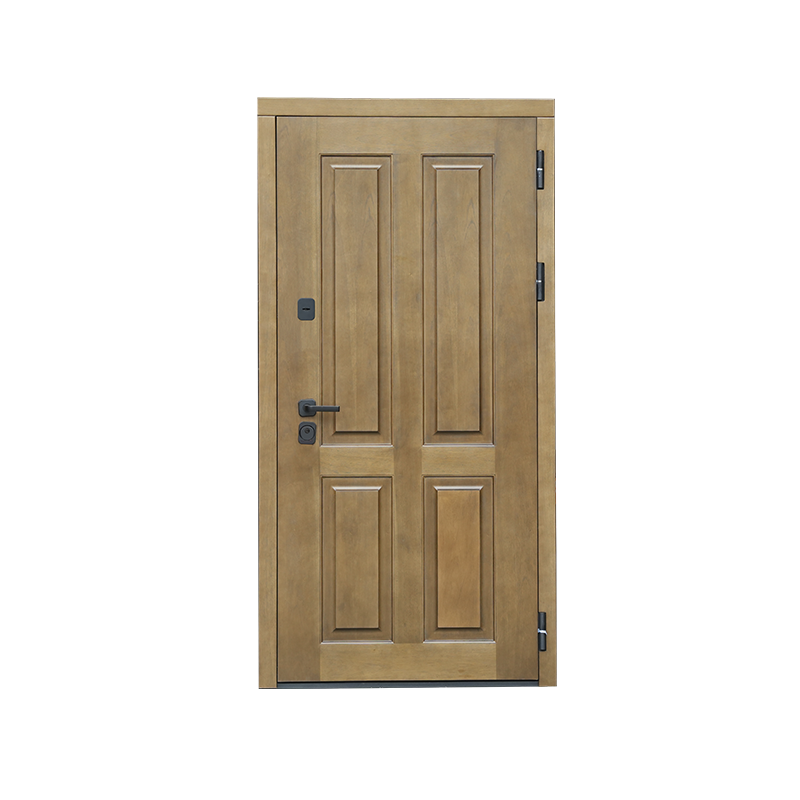
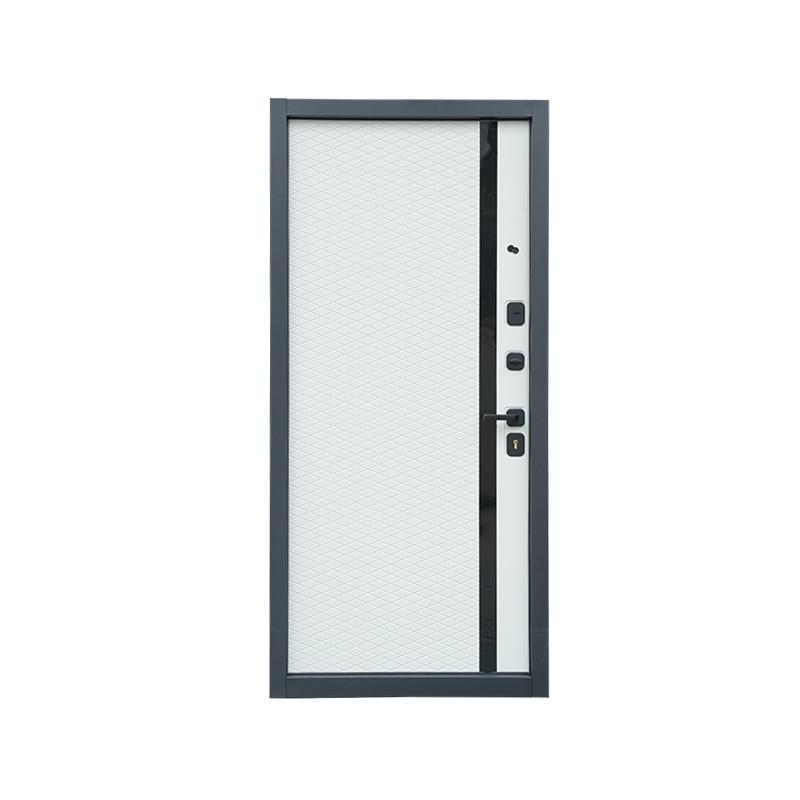
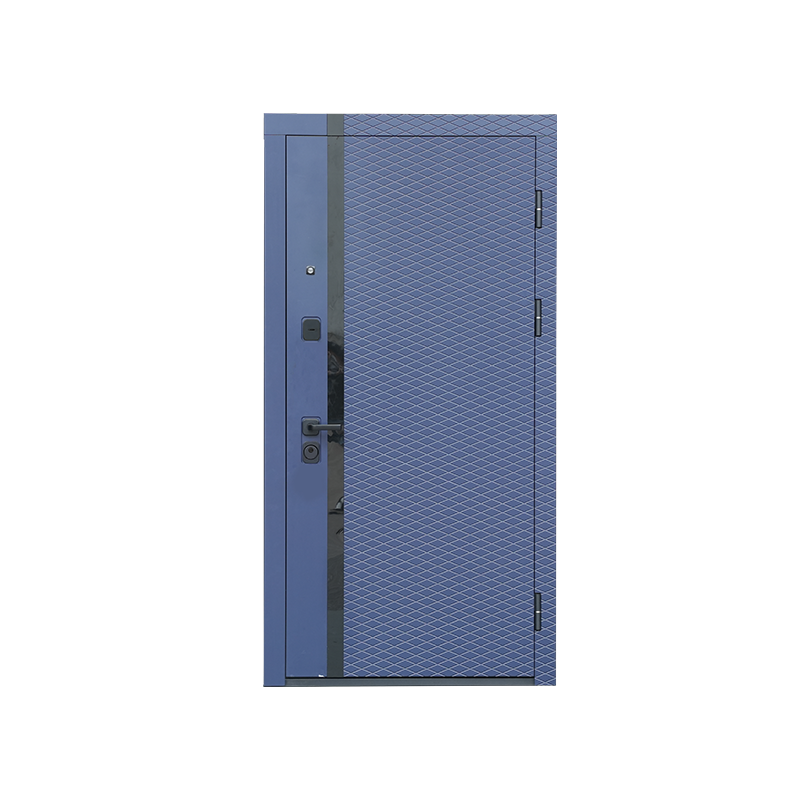
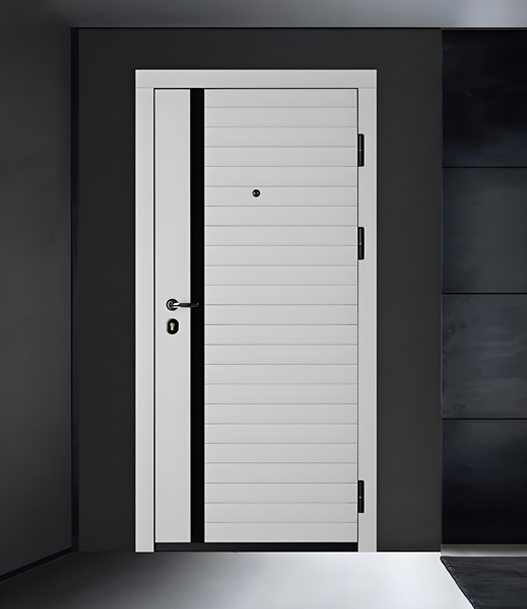
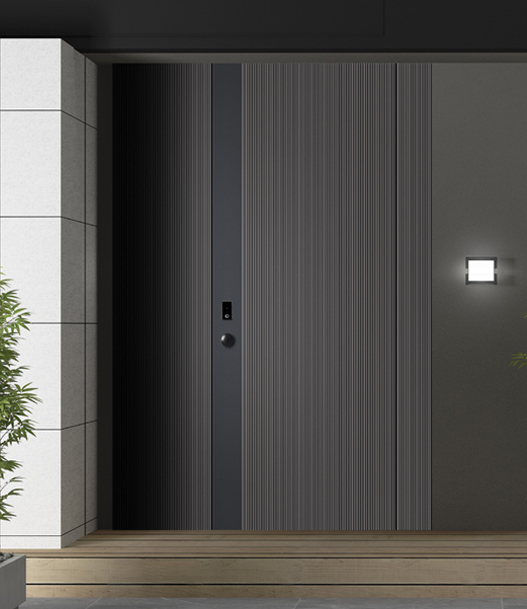
A steel-wooden entrance door typically features a steel outer frame or shell reinforced with internal steel ribs, while the surface is clad with natural wood veneer, engineered wood panels, or composite wood materials. This layered construction gives the door its dual character — a hard, load-bearing skeleton beneath a surface that reads as warm and familiar. The wood finish can be customized in a wide range of grain patterns, colors, and textures, allowing the door to match different architectural styles from contemporary minimalist to traditional European.
Structural Composition
The internal construction generally includes several key components:
- Steel frame and reinforcing ribs — form the load-bearing skeleton, providing resistance to forced entry and physical impact
- Thermal and acoustic insulation fill — typically polyurethane foam or mineral wool, placed between the steel layers to reduce heat transfer and sound transmission
- Wood veneer or MDF surface panels — applied to one or both faces, giving the door its finished appearance
- Multi-point locking hardware — commonly integrated into the steel frame to distribute lock resistance across multiple points along the door edge
- Sealing strips — installed around the perimeter to reduce air and water infiltration
This configuration is not universal — manufacturers adjust the balance of materials based on market requirements, building codes, and price points. A door marketed for moderate climate zones may carry thinner insulation than one designed for regions with extreme temperature swings.
Performance Characteristics
Steel-wooden entrance doors tend to perform well on security-related metrics. The steel core resists drilling, prying, and impact in ways that solid wood alone cannot match. At the same time, a wood-only door offers a warmer appearance but generally provides less resistance to forced entry at equivalent price points.
From a thermal standpoint, the insulation layer matters considerably. Doors with polyurethane foam fills typically achieve lower heat transfer coefficients than those with mineral wool, though mineral wool tends to offer slightly better fire resistance properties. Buyers evaluating energy efficiency should look at the door's U-value or thermal resistance rating rather than relying on material descriptions alone.
Acoustic performance varies based on total door weight, seal quality, and installation fit. A heavier door with well-fitted seals will naturally reduce sound transmission more effectively than a lighter one with gaps at the frame.
Finish and Customization
The wood surface layer is where most visible customization happens. Common options include:
- Natural wood veneer (walnut, oak, teak, cherry) for a high-end appearance
- PVC wood-grain film, offering lower cost and higher moisture resistance
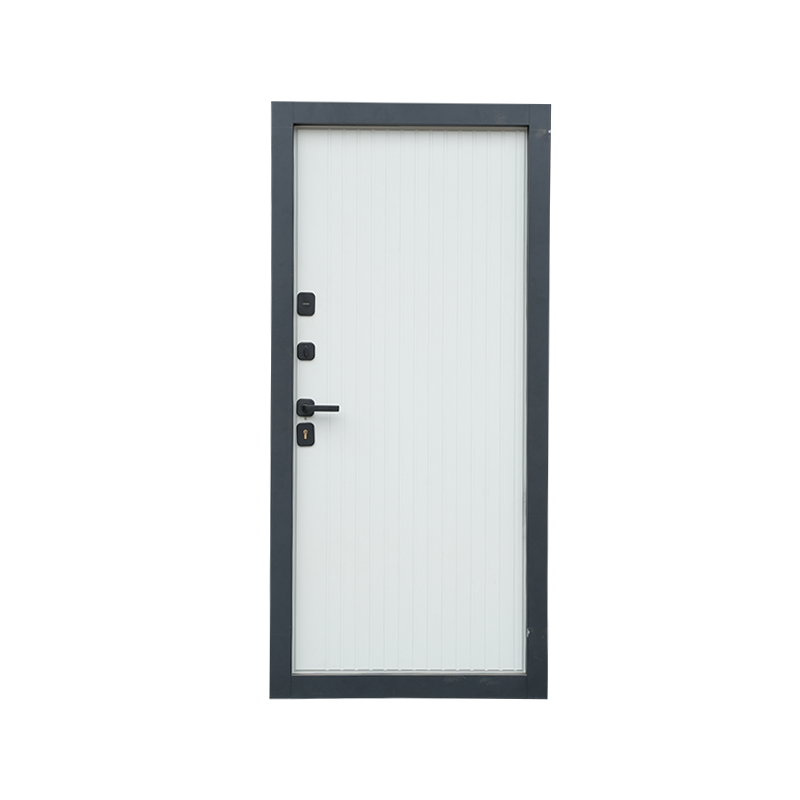
- Paint-grade MDF panels, suitable for custom painted finishes
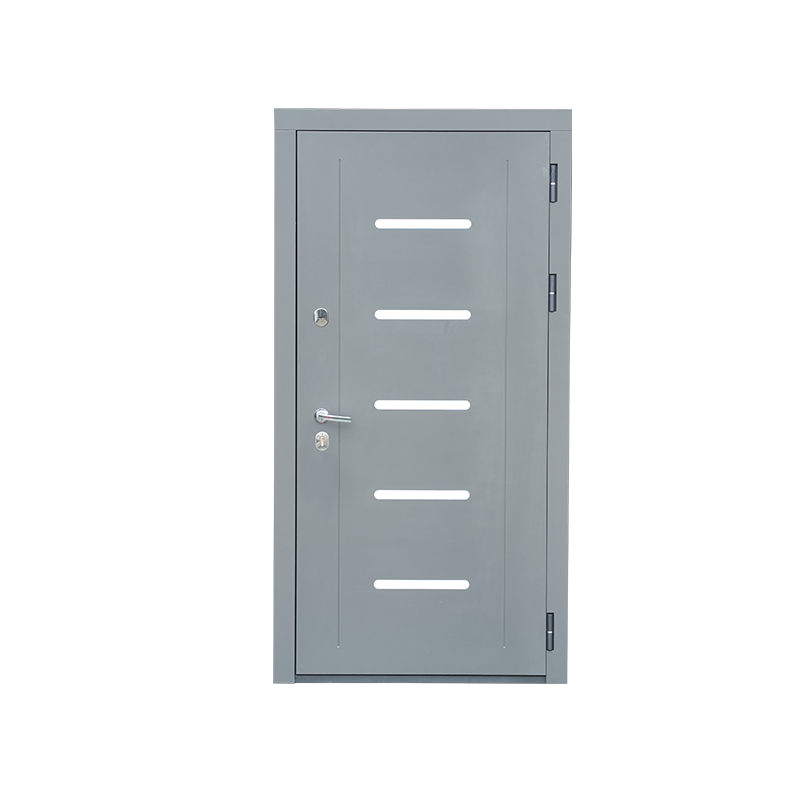
The outer steel face, when exposed on the exterior side, is typically treated with powder coating or spray painting to resist corrosion. Some designs cover both sides with wood materials, while others leave the exterior steel visible for a more industrial aesthetic.
Hardware selection — hinges, handles, locks, and viewing ports — also affects the steel-wooden entrance door's overall security rating and daily usability. Concealed hinges are increasingly common in mid-range and higher-end models, as they prevent the hinge pins from being accessible from outside.