

 русский
 Español
 عربى
عربىThe construction of a Russian Door starts with the steel panel itself. Cold-rolled sheet steel forms both the outer and inner faces, with thickness varying from around 1.5 mm on lighter models to 3 mm or more on doors built for serious resistance. Between the two faces, welded steel ribs run horizontally and vertically, stiffening the panel against the kind of sustained flex that eventually allows a door to be forced at the latch. A finished Russian Door is heavy in a way that feels deliberate — 80 kg at the lower end, over 150 kg for higher-specification units. Picking one up and moving it is not a one-person job.
Locking is where Russian doors diverge most visibly from standard entrance door practice. A single bolt driven by one cylinder is not considered adequate here. Typical configurations include:
- Multi-point locking bars — steel rods extending from the lock body into the frame at the top, bottom, and sides simultaneously, so the entire door perimeter engages rather than just one point near the handle
- Two independent lock cylinders — either requiring both to be operated before the door opens, or allowing separate keying for different users
- Anti-drill and anti-pick inserts — hardened steel plates positioned around each cylinder that resist the tools most commonly used to defeat residential locks
- Deep-anchored strike plates — set into the masonry rather than surface-mounted, so the frame cannot simply be kicked away from the wall
The frame treatment is arguably as important as the door panel itself. Russian door frames are welded steel channels, anchored into surrounding concrete or masonry with bolts driven 10 cm deep or further. The gap between frame and wall gets filled to prevent levering. This is a different philosophy from many Western installations where the frame is a wooden or aluminum component sitting in a rough opening with light fixings — functional in low-risk environments, but not built to resist determined physical attack.
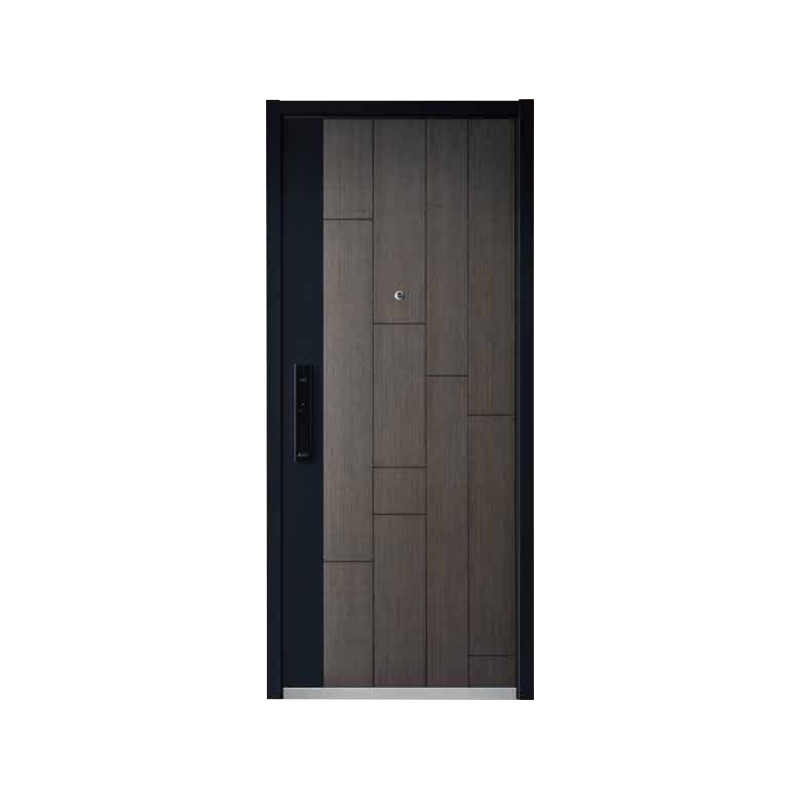
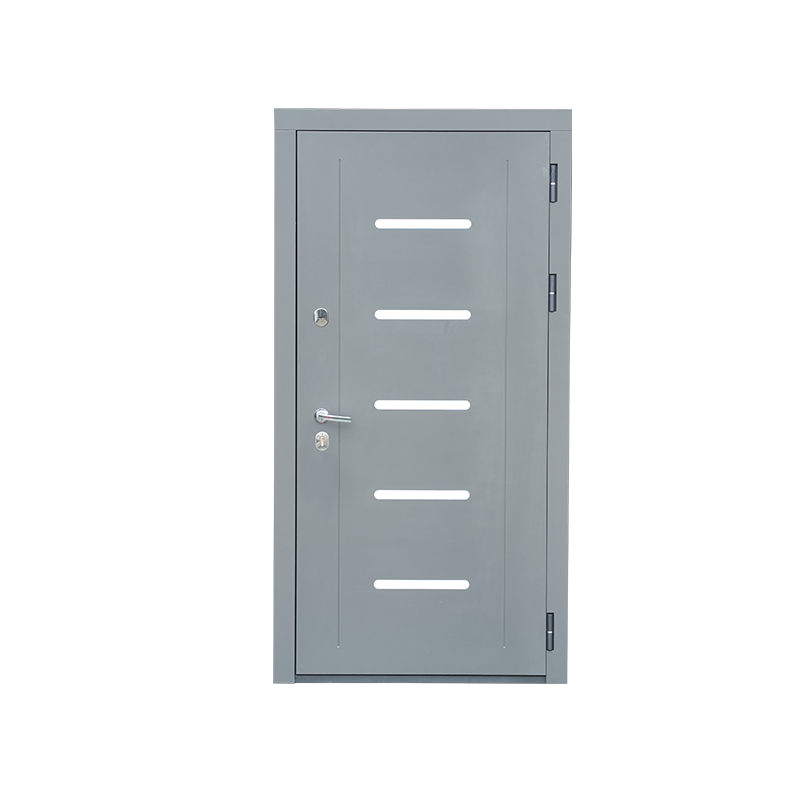
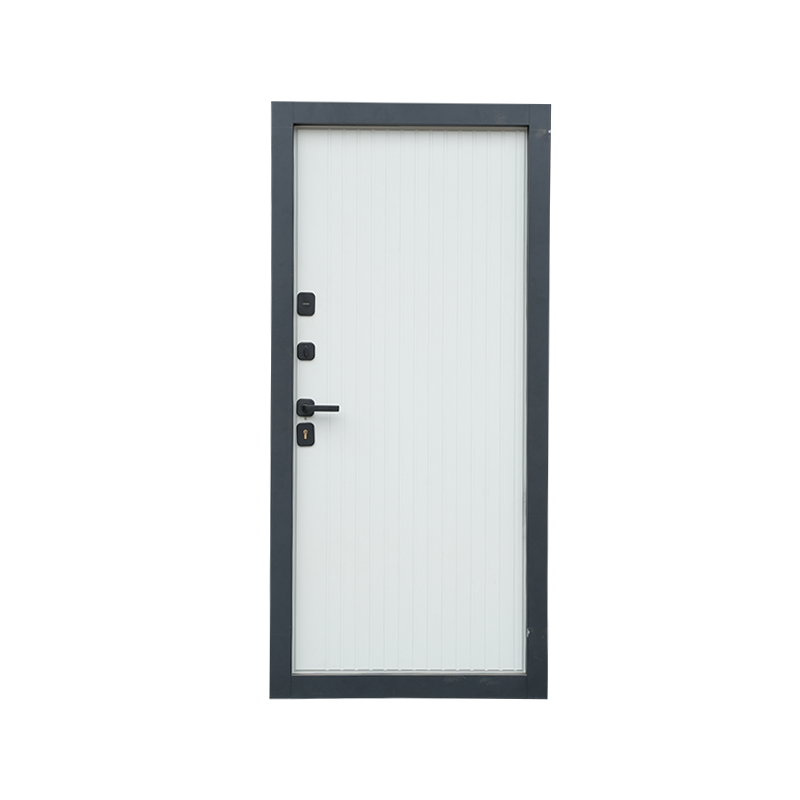
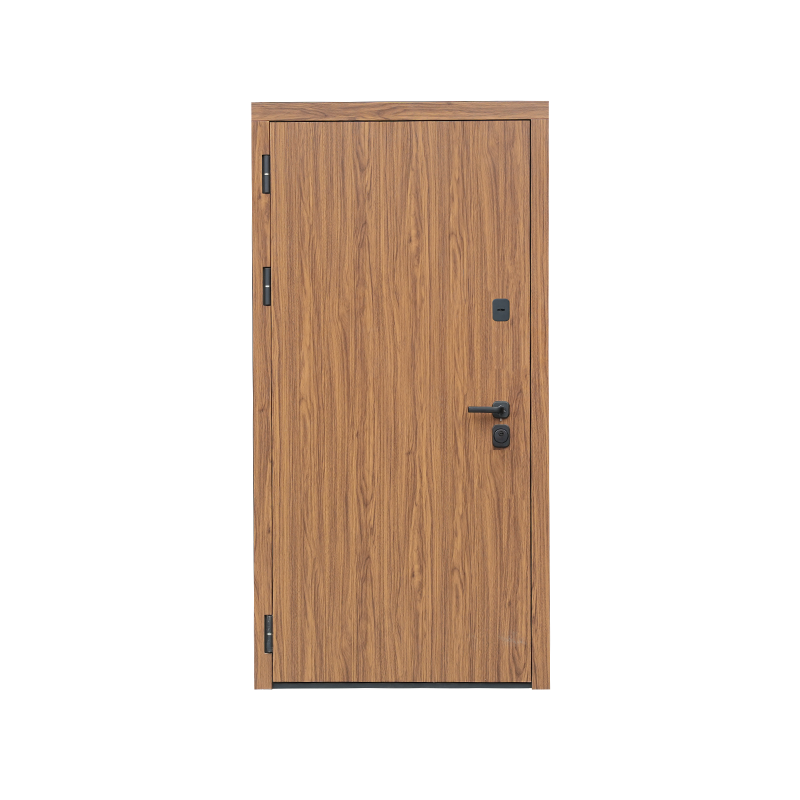
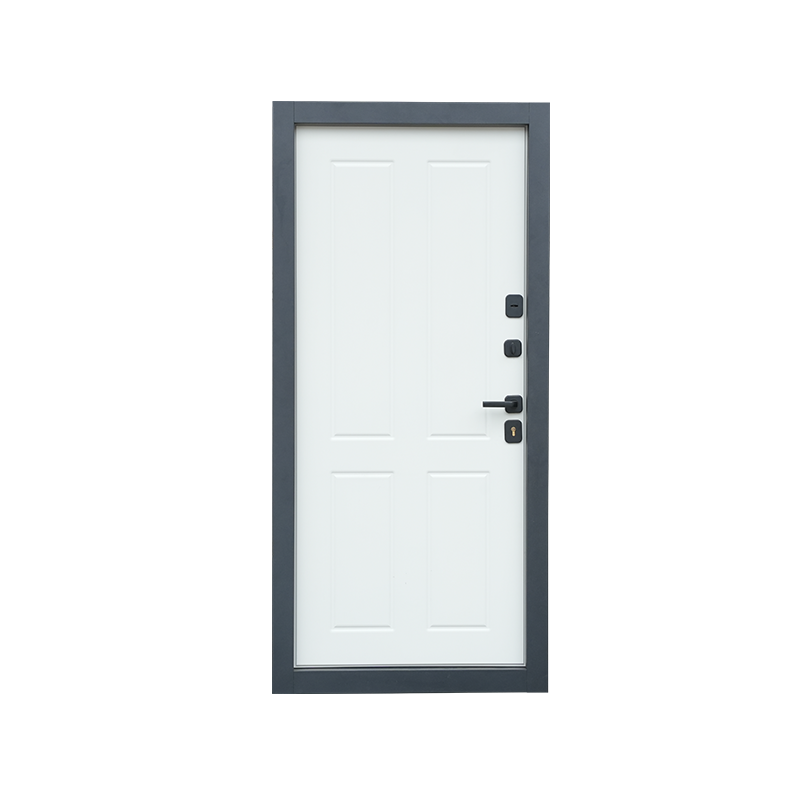
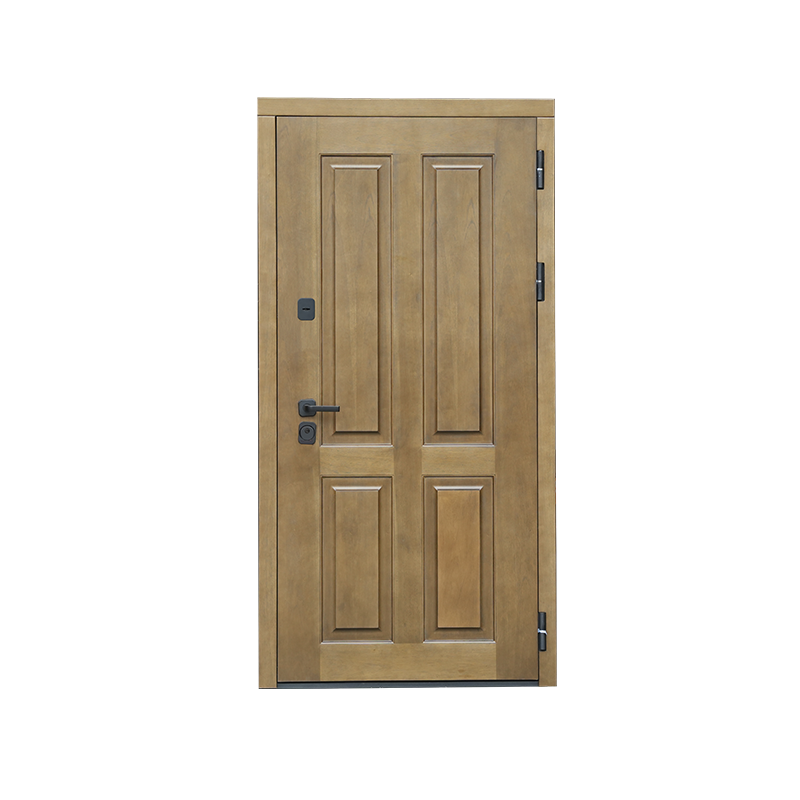
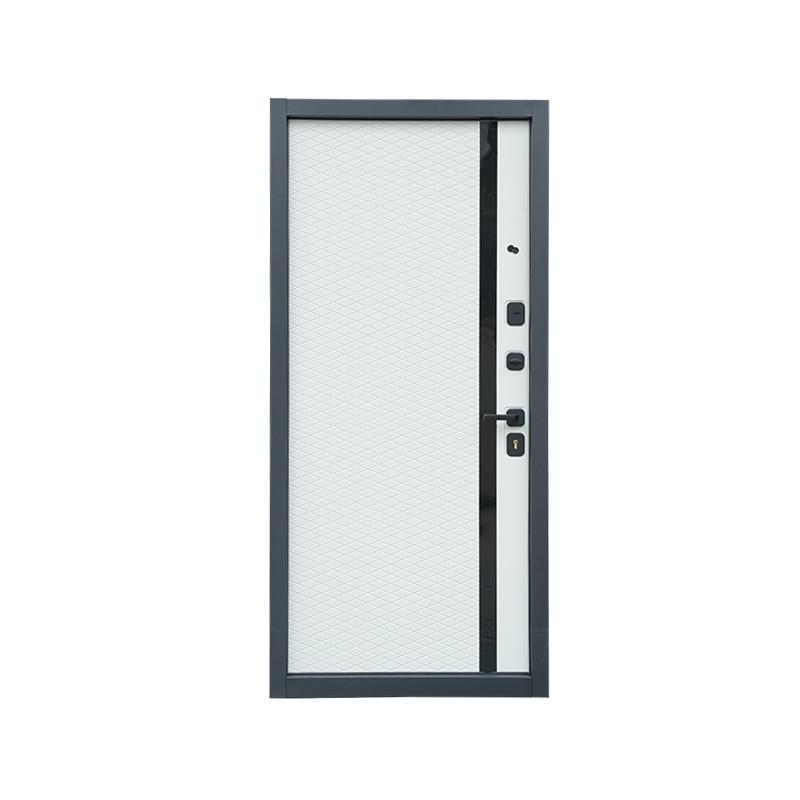
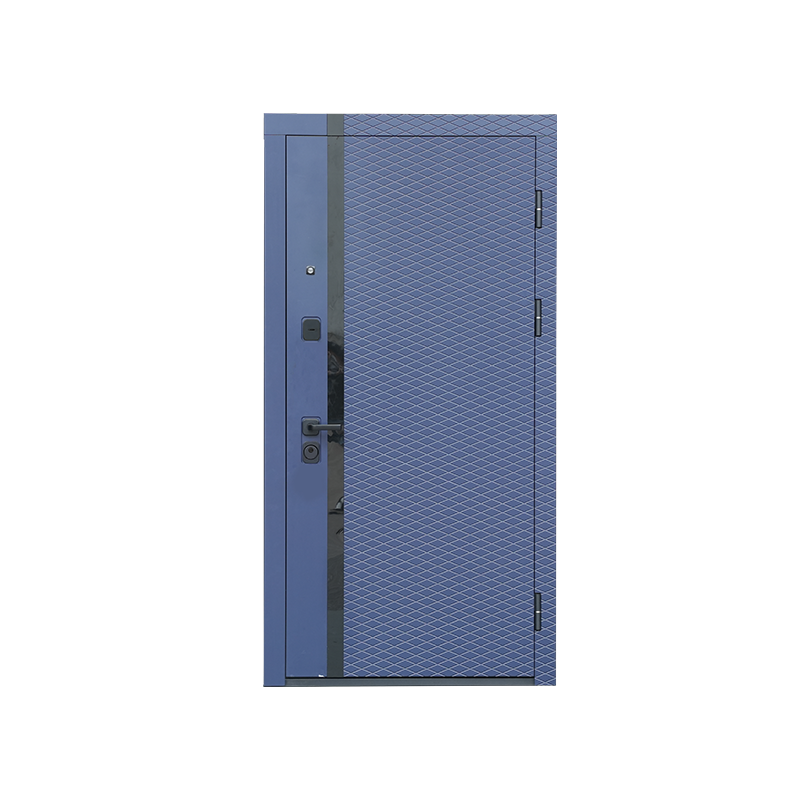
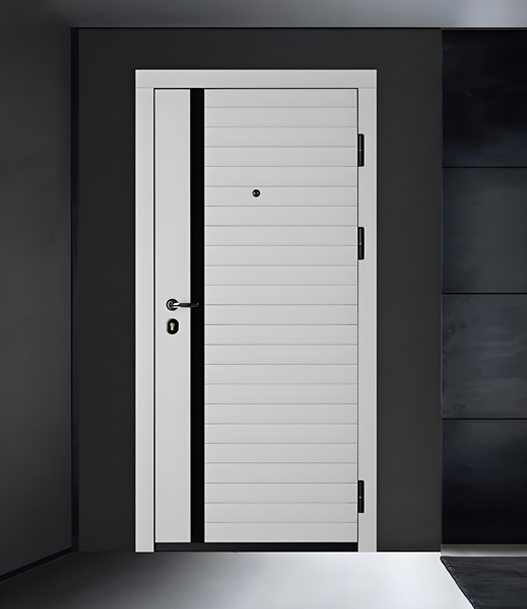
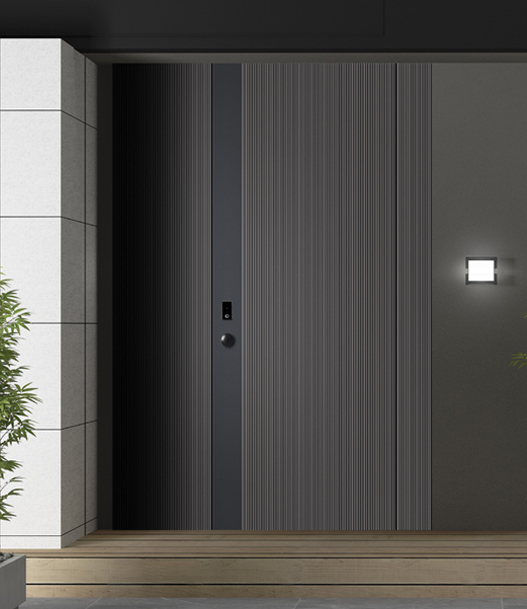
Inside the apartment, the door reads completely differently. The exterior face is steel, sometimes powder-coated in a dark color, and does not pretend to be anything warmer than it is. The interior face gets finished in MDF paneling, vinyl-wrapped profiles, or wood veneer with decorative molding that matches whatever the apartment interior looks like. The gap between stairwell-facing industrial and living-room-facing domestic is part of what the product sells. Buyers are not choosing between security and aesthetics — they are getting both on opposite sides of the same door.
Insulation fills the internal cavity, serving two purposes that both matter in dense residential buildings. Mineral wool or polyurethane foam reduces heat transfer through what is otherwise a significant cold bridge in the building envelope — a steel door without insulation pulls warmth out of an apartment efficiently and expensively. The same fill dampens stairwell noise, which in a building with thin walls and active common areas is not a minor consideration.
Hardware details follow the same logic throughout. Door viewers with wide-angle lenses come standard. Handles are solid and heavy rather than lightweight pressings. Hinges on better-specified models sit inside the frame rather than on the surface, removing a point that can otherwise be attacked with a grinder or chisel.
Heavy steel construction, multi-point locking, and a frame that is anchored into the building rather than resting against it address that problem in ways that locally produced lightweight doors typically do not. The Russian door arrived in markets carrying a construction approach shaped by experience rather than theory, and that background has been part of its commercial argument ever since.