

 русский
 Español
 عربى
عربىThe entrance of a building creates an immediate impression, making the front door an important part of both architectural design and daily use. As residential and commercial construction continues to embrace clean lines and contemporary styling, the Aluminum Front Door has become a widely selected option for architects, builders, and property owners. Combining refined appearance with precision manufacturing, aluminum doors are now available in a wide range of styles, finishes, and structural configurations.
Modern Materials Create Flexible Designs
One reason the Aluminum Front Door attracts attention is the flexibility of aluminum as a construction material. It can be fabricated into various frame profiles, allowing designers to create both traditional and contemporary entrance styles.
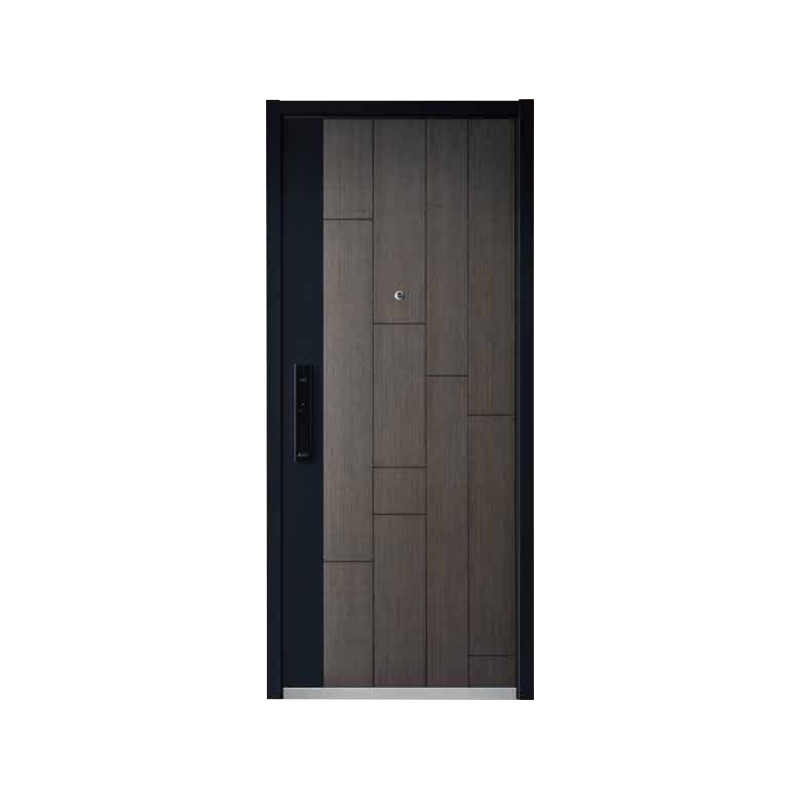
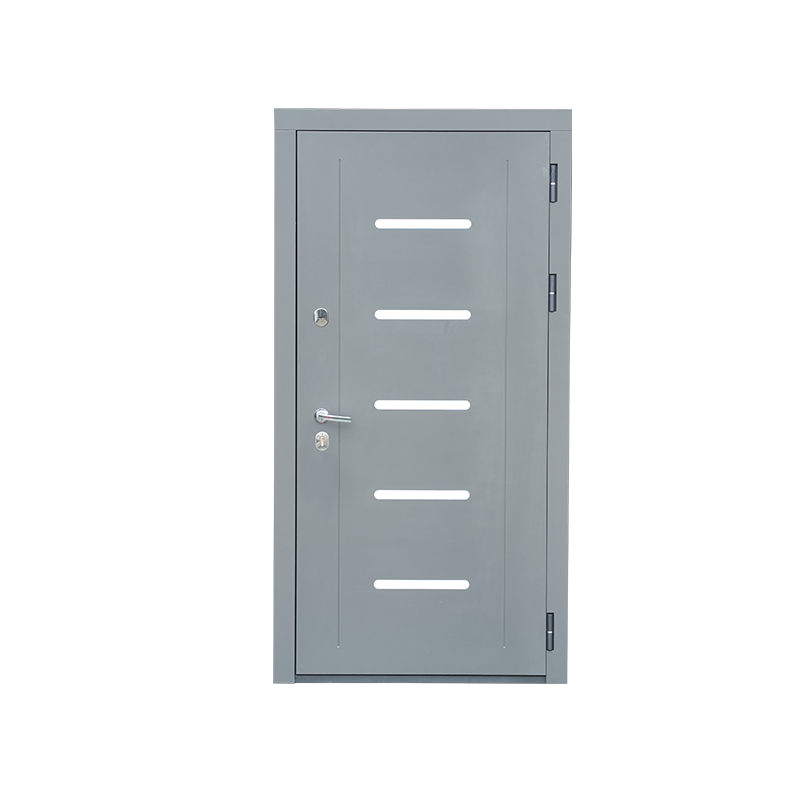
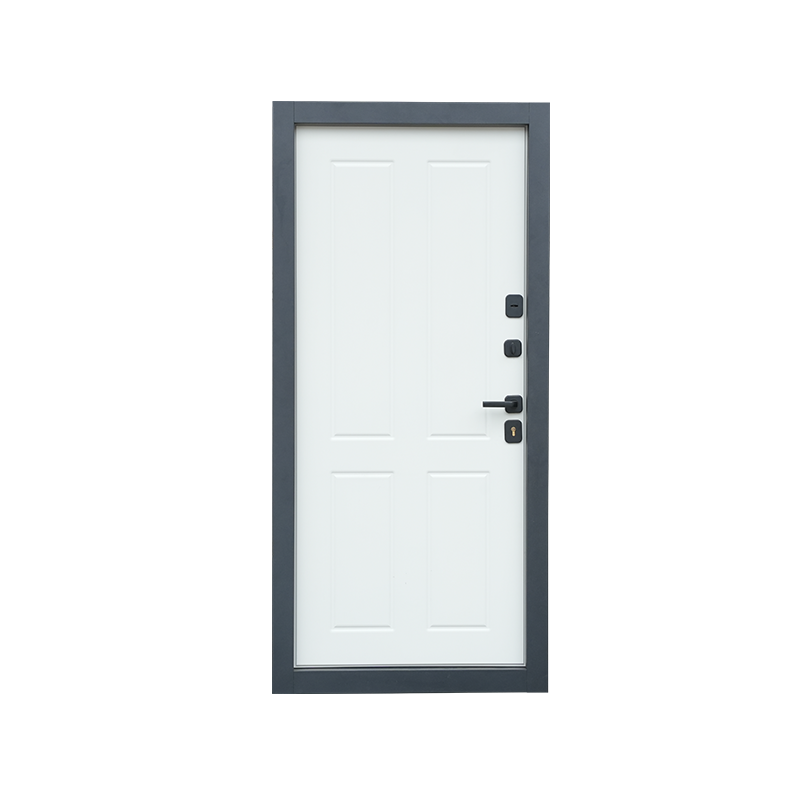
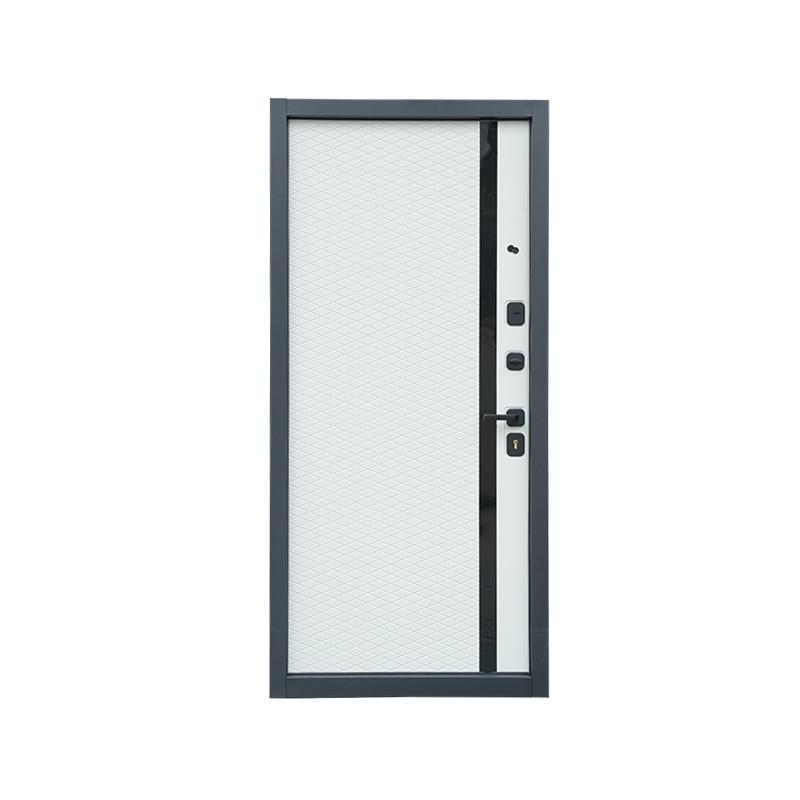
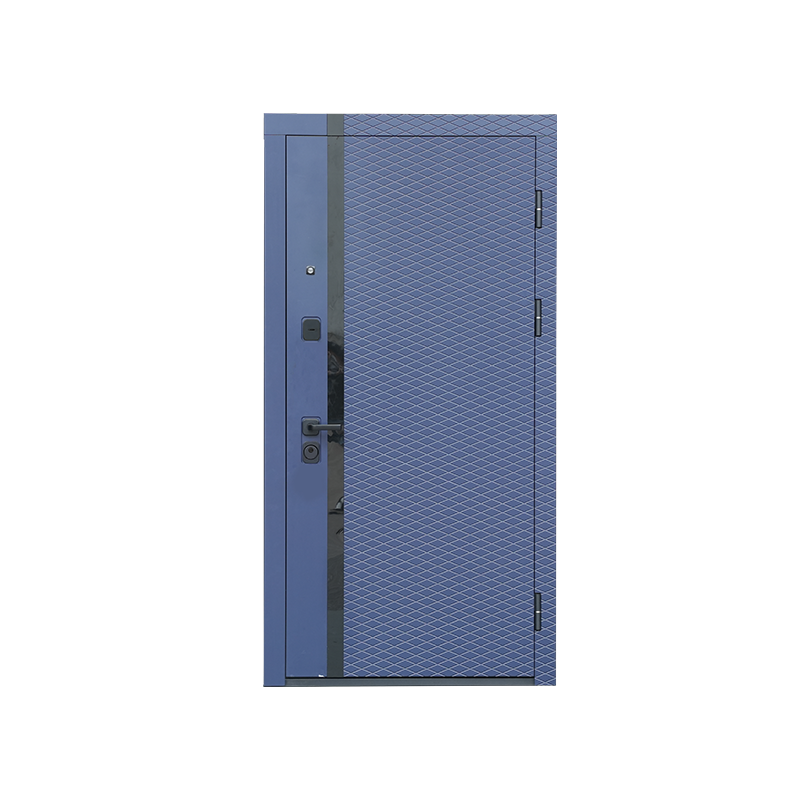
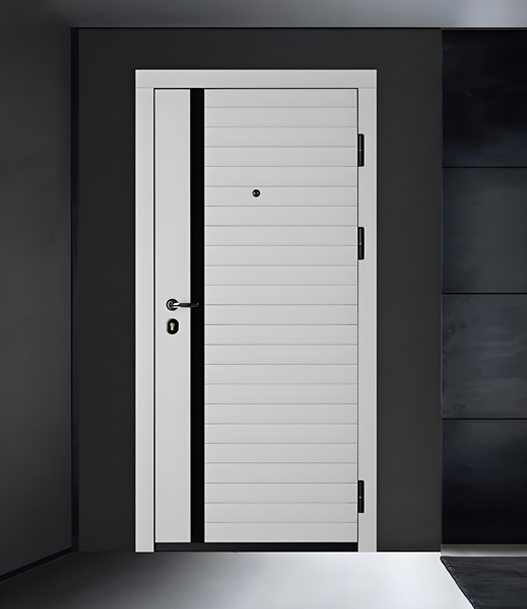
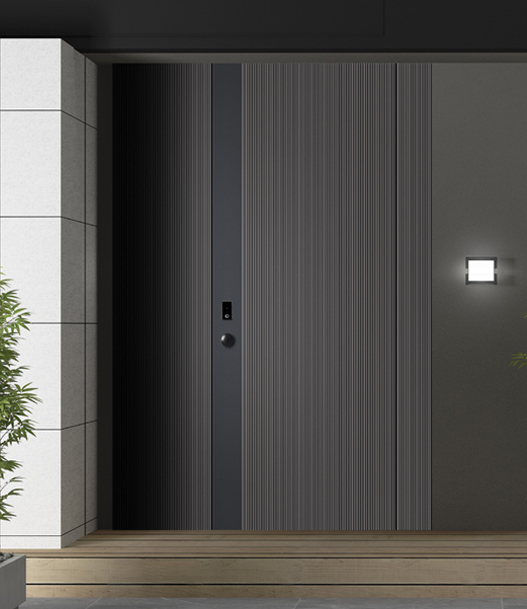
Some doors feature wide glass inserts that allow natural light to enter indoor spaces, while others use solid panels with geometric patterns or textured finishes. Manufacturers also offer multiple surface treatments, making it easier to coordinate the entrance with different architectural themes.
The material supports a variety of opening configurations as well. Single doors, double doors, oversized entrances, and side panel combinations provide solutions for different building layouts without significantly changing the overall design concept.
Precision Manufacturing Supports Consistent Quality
Behind every Aluminum Front Door is a detailed manufacturing process that combines engineering with advanced fabrication equipment.
Production usually begins with digital design software that defines frame dimensions, hardware locations, and assembly details. Aluminum profiles are then cut using CNC equipment to achieve accurate dimensions and clean edges.
After machining, components move through drilling, milling, and joining operations before surface finishing begins. Powder-coated finishes, anodized appearances, and decorative textures are commonly applied to create different visual effects.
Assembly technicians carefully install glass panels, seals, hinges, handles, and locking hardware before each door undergoes dimensional inspection. This sequence helps maintain consistency throughout larger production runs.
Thoughtful Details Improve Everyday Use
An Aluminum Front Door is expected to perform smoothly every time it opens and closes. For this reason, manufacturers focus on practical design details throughout product development.
Precision hinges allow stable movement while supporting the weight of larger door panels. Multi-point locking systems can be integrated into many door designs, contributing to secure and balanced door operation.
Frame structures are engineered to accommodate weather seals that fit neatly within the door assembly. Glass options also vary, allowing designers to combine clear, frosted, decorative, or patterned glazing according to different project requirements.
Attention is also given to handle placement, threshold design, and frame alignment so that every component works together as part of a complete entrance system.
Design Trends Expand Creative Possibilities
Architectural preferences continue evolving, and Aluminum Front Door manufacturers are responding with increasingly diverse design collections.
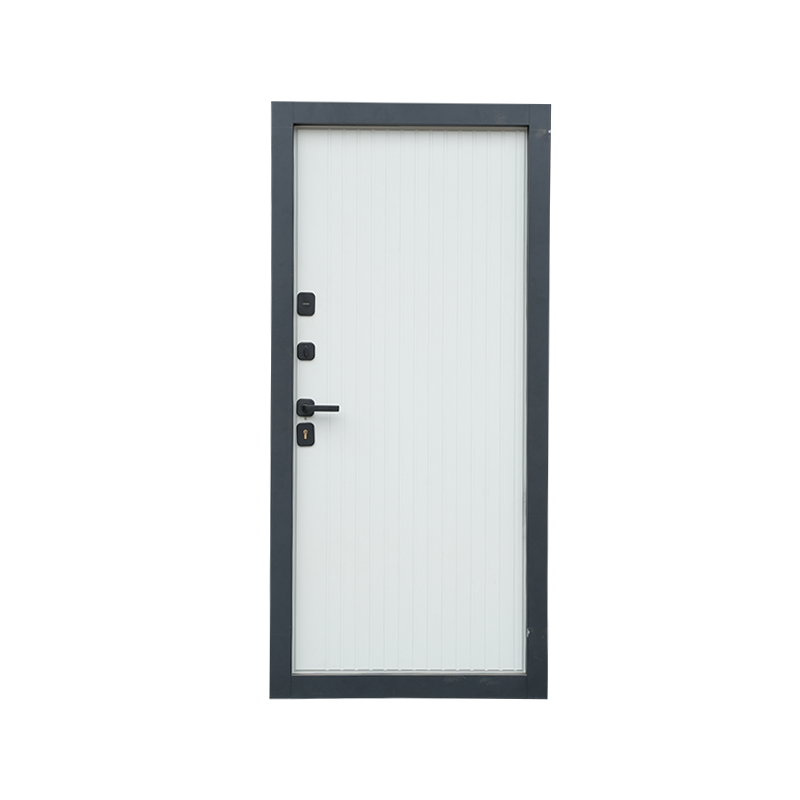
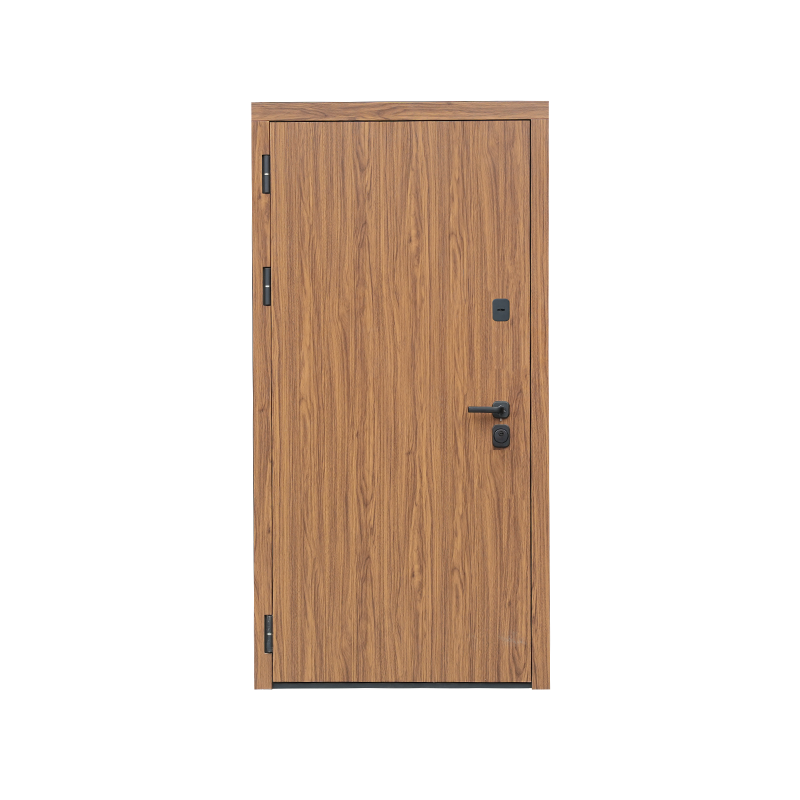
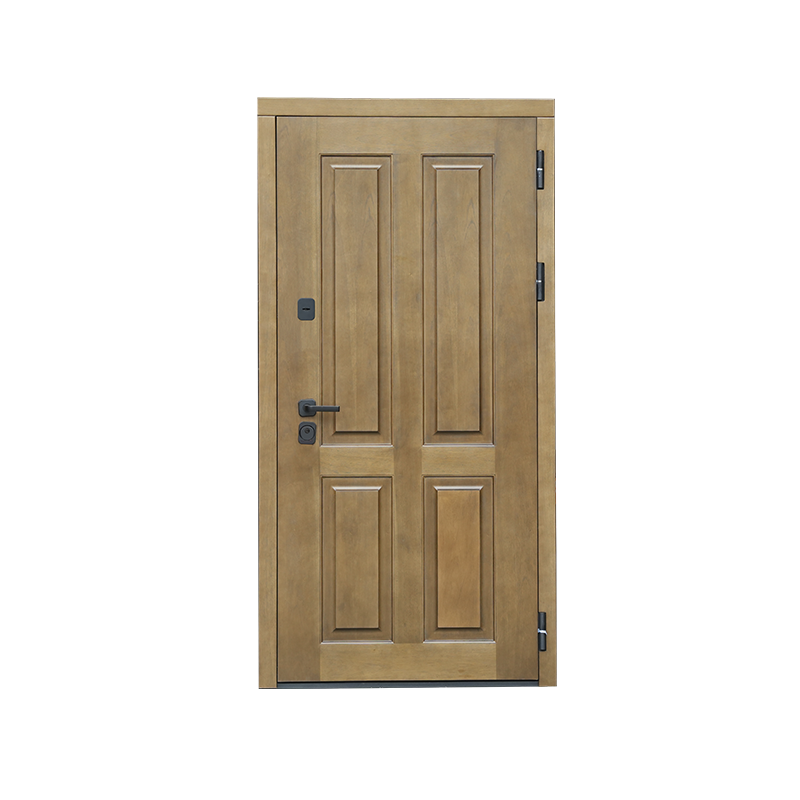
Minimalist styles featuring narrow frames remain popular for modern buildings. Industrial-inspired designs often combine black aluminum frames with large glass sections, creating a distinctive visual contrast. Other collections include wood-grain finishes that provide the appearance of natural timber while maintaining the clean geometry associated with aluminum construction.
Custom sizing has also become more common. Designers can specify different heights, widths, decorative panels, and glass arrangements to match individual building projects rather than relying solely on standard dimensions.
These options allow greater creative freedom while maintaining manufacturing efficiency.