

 русский
 Español
 عربى
عربىMaterial Selection Supports Structural Performance
The foundation of every Smart Entrance Door remains its physical construction. While digital functions receive significant attention, the door itself must provide stability, durability, and smooth daily operation.
Steel and aluminum remain two commonly selected materials for commercial applications. Steel provides high structural rigidity, making it suitable for buildings with frequent traffic. Aluminum offers lower weight while allowing clean architectural designs and corrosion resistance in many indoor and outdoor environments.
Glass is also widely incorporated into smart entrance systems. Tempered or laminated safety glass allows natural light into building entrances while maintaining visibility and supporting modern architectural styles.
Manufacturers typically evaluate several structural factors during product development, including:
- Door frame strength and dimensional accuracy
- Compatibility with electronic lock bodies
- Reinforced installation points for smart hardware
- Cable routing inside the door leaf
- Hinge capacity for heavier integrated components
These design considerations help ensure electronic devices can be installed without affecting the overall stability of the entrance system.
Digital Access Technologies Continue To Expand
The rapid development of electronic identification technologies has changed how commercial entrances operate.
Instead of carrying traditional keys, authorized personnel can now enter buildings using credentials managed through centralized access systems. Depending on the project, one entrance may support several authentication methods simultaneously.
Common access technologies include fingerprint recognition, RFID cards, password verification, Bluetooth communication, NFC-enabled mobile devices, and QR code access for temporary visitors.
According to industry reports from organizations such as the GSM Association (GSMA), the continued growth of smartphones with NFC capability has expanded opportunities for mobile credential applications in access control systems. This development has encouraged manufacturers to design Smart Entrance Door products that remain compatible with evolving digital platforms while maintaining standard mechanical locking functions.
Integration flexibility has therefore become an important design consideration during product development.
Manufacturing Precision Becomes Increasingly Important
Unlike conventional entrance doors, a Smart Entrance Door requires close coordination between mechanical production and electronic component installation.
Small dimensional differences can influence the installation of electronic locks, access readers, wiring channels, and door closers. For this reason, precision manufacturing plays an important role throughout production.
Modern factories often use CNC laser cutting, robotic welding, precision bending equipment, and automated powder coating lines to improve production consistency. Digital drawings allow engineering teams to verify hardware locations before fabrication begins.
Several production stages receive particular attention:
- Frame welding and dimensional inspection
- Lock pocket machining
- Electronic component positioning
- Surface finishing
- Functional opening and closing tests
Accurate fabrication reduces installation adjustments on construction sites and helps contractors complete projects more efficiently.
Many commercial projects also require customized dimensions because entrance openings vary between office buildings, hospitals, hotels, schools, and industrial facilities. Flexible manufacturing capabilities therefore remain an important consideration for project-based production.
Design Flexibility Meets Commercial Project Requirements
Today's Smart Entrance Door is expected to complement architectural design while supporting building management systems.
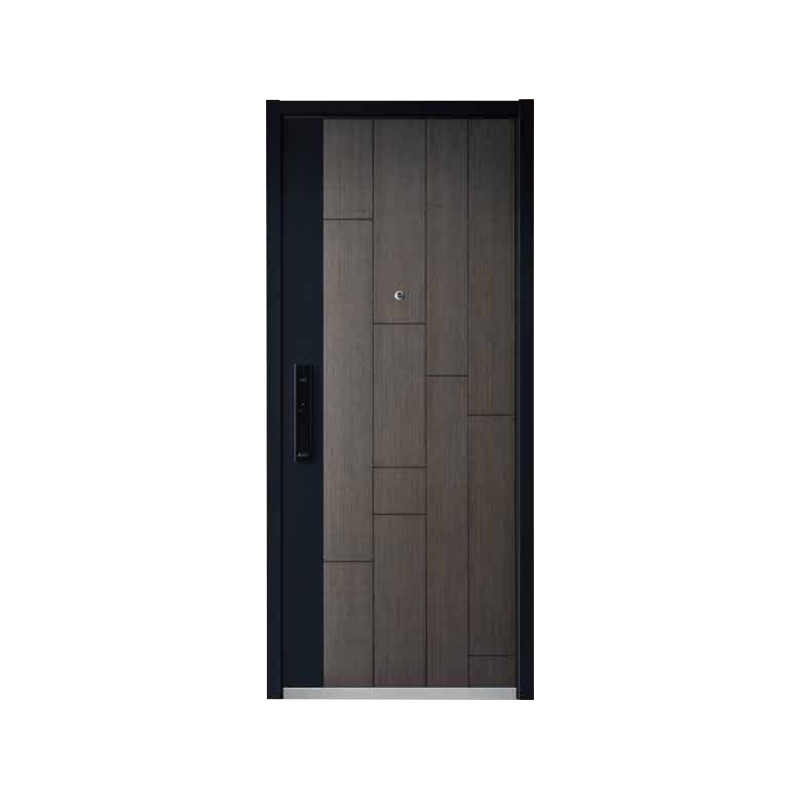
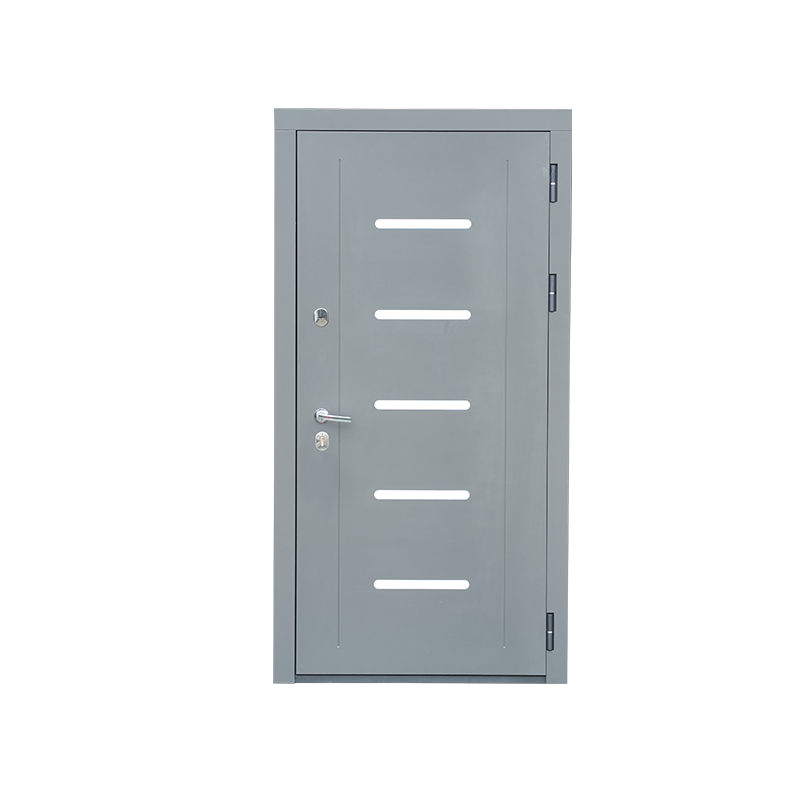
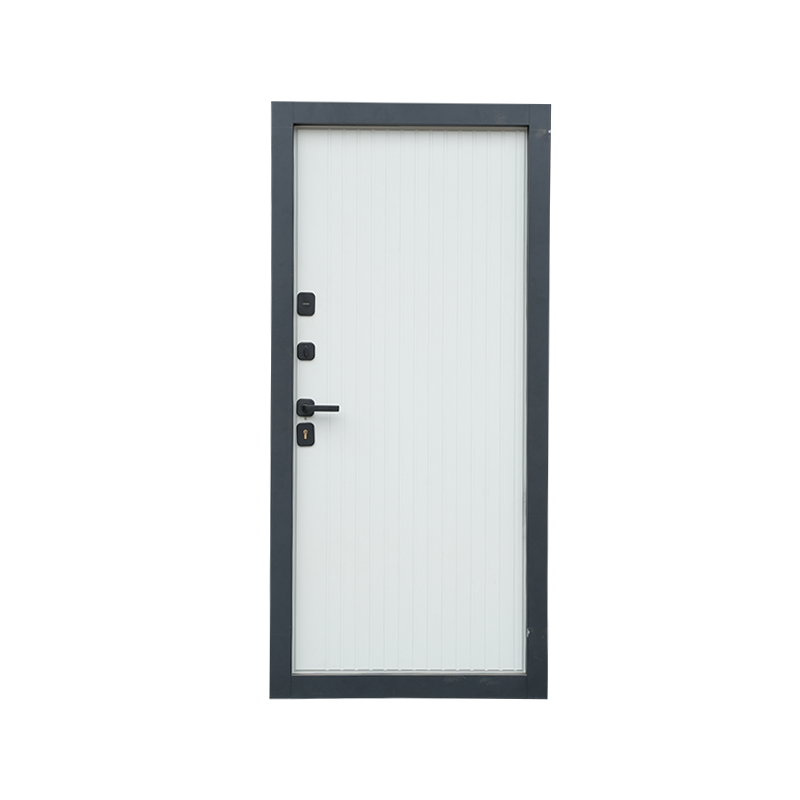
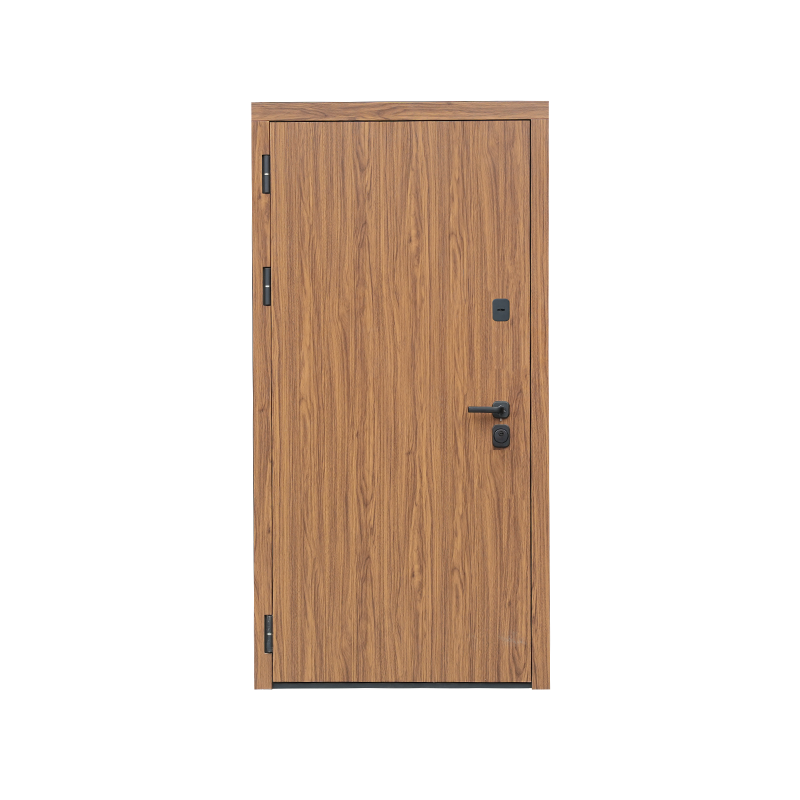
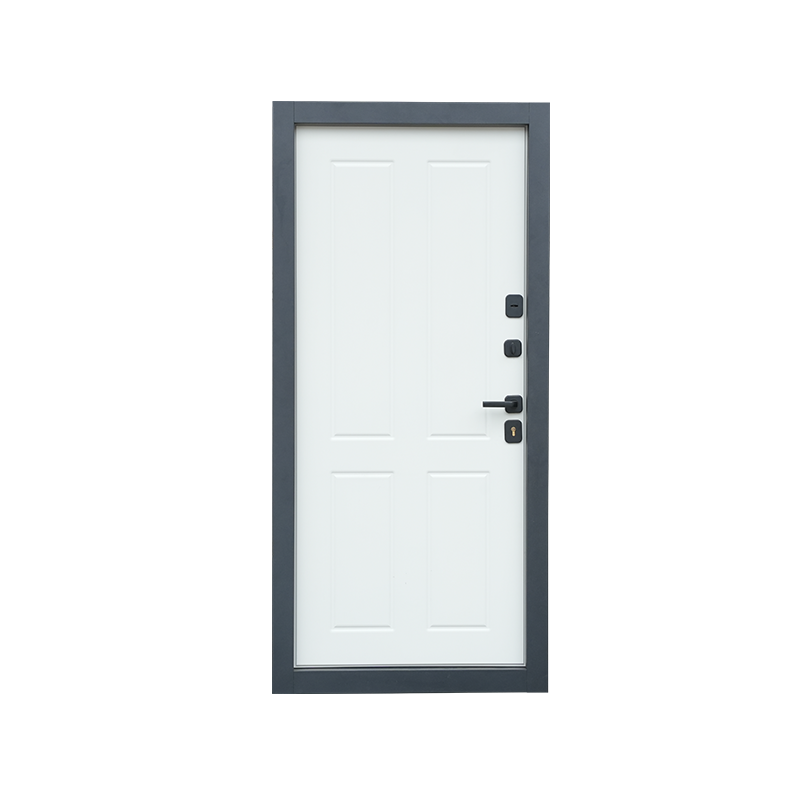
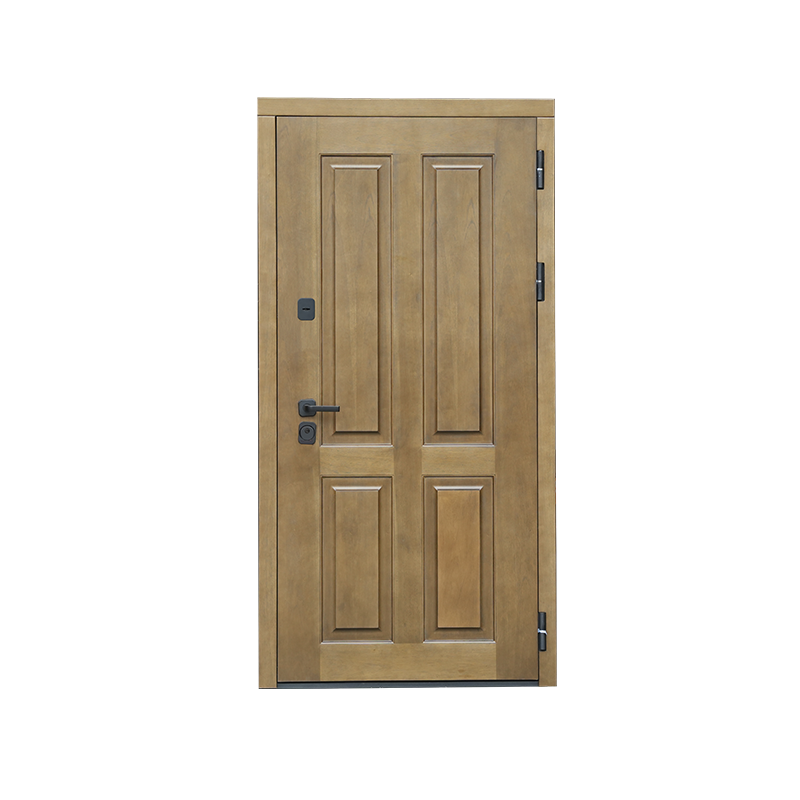
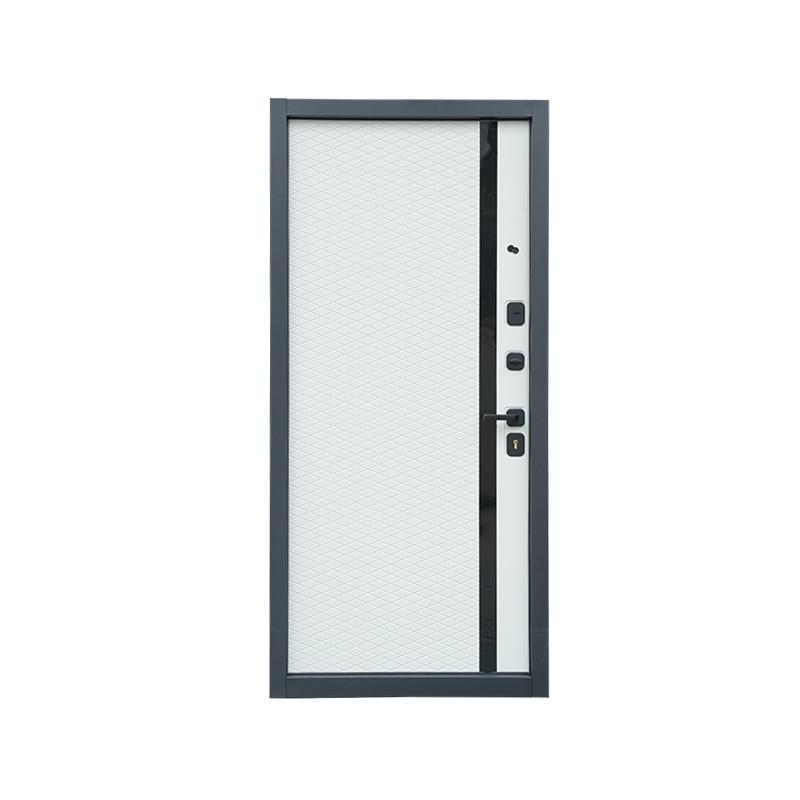
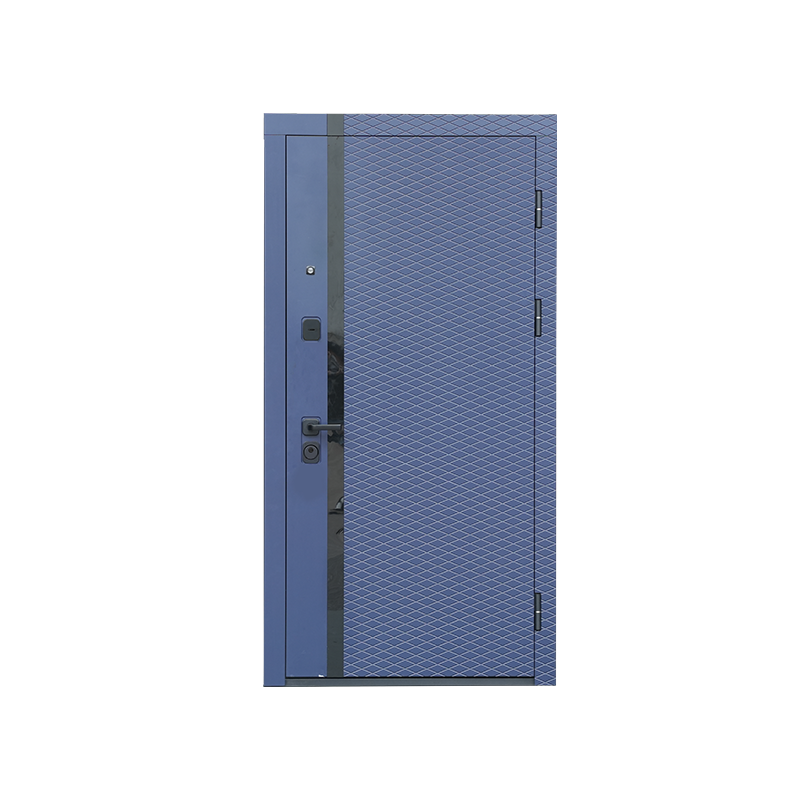
Commercial developers increasingly request customized finishes that match curtain walls, aluminum windows, interior partitions, or corporate branding. Powder-coated colors, wood-grain finishes, stainless steel decorative panels, concealed hinges, narrow frames, and flush surfaces allow manufacturers to adapt entrance systems to different architectural styles.
Beyond appearance, functional customization has also become more common. Some projects require double-leaf doors with synchronized opening, while others integrate automatic operators, emergency exit hardware, intercom systems, occupancy sensors, or visitor management devices.