

 русский
 Español
 عربى
عربىPeople pass through it a hundred times a day without a second glance. Yet the building entrance door performs a remarkable balancing act — greeting visitors, keeping out weather, managing crowds, and setting the architectural tone. This quiet workhorse deserves a closer look.
More Than a Barrier
At its simplest, a building entrance door separates inside from outside. In practice, it handles a constant flow of demands. Office workers stream through during morning rush. Delivery drivers nudge it open with carts. Families push strollers, travelers wheel luggage, and couriers balance packages while reaching for the handle.
Each of those moments tests the door's hardware. Hinges bear the weight thousands of times weekly, closers control the swing, and locks secure the space after hours. A well-built building entrance door absorbs this punishment gracefully, opening smoothly on day one and on day one thousand.
The Weight Behind the Swing
Push open a commercial glass door, and you feel real mass. Thick tempered glass panels, often paired with aluminum or stainless steel frames, give the door its sturdy character. Solid wood and steel doors weigh even more, demanding heavy-duty pivots or reinforced hinges.
That weight is deliberate. A substantial building entrance door resists wind pressure, dampens noise, and discourages forced entry. It also conveys permanence — visitors subconsciously read quality from the heft of the door they pull open.
Materials Set the Personality
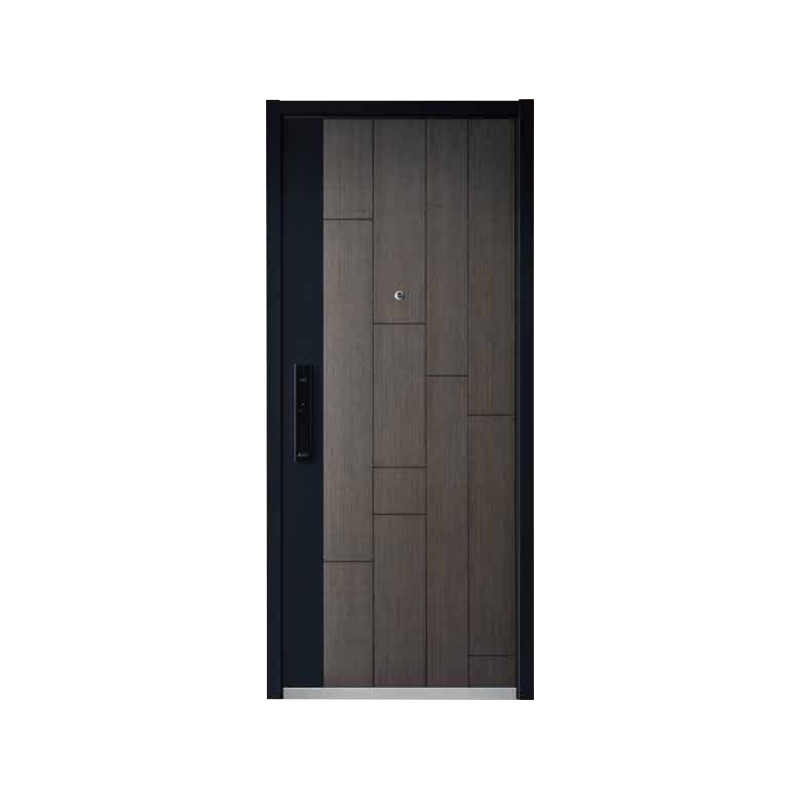
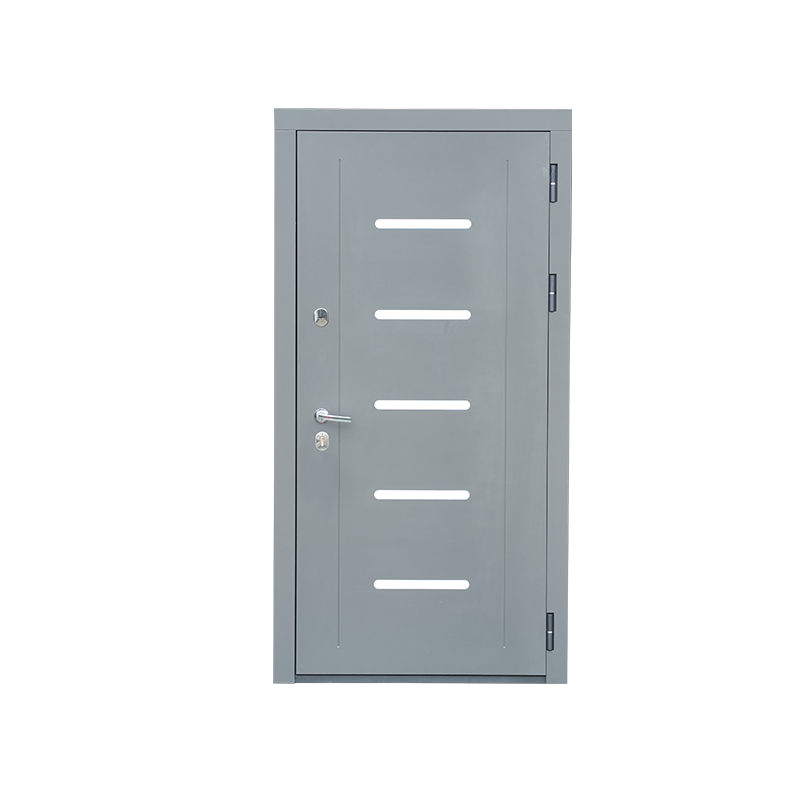
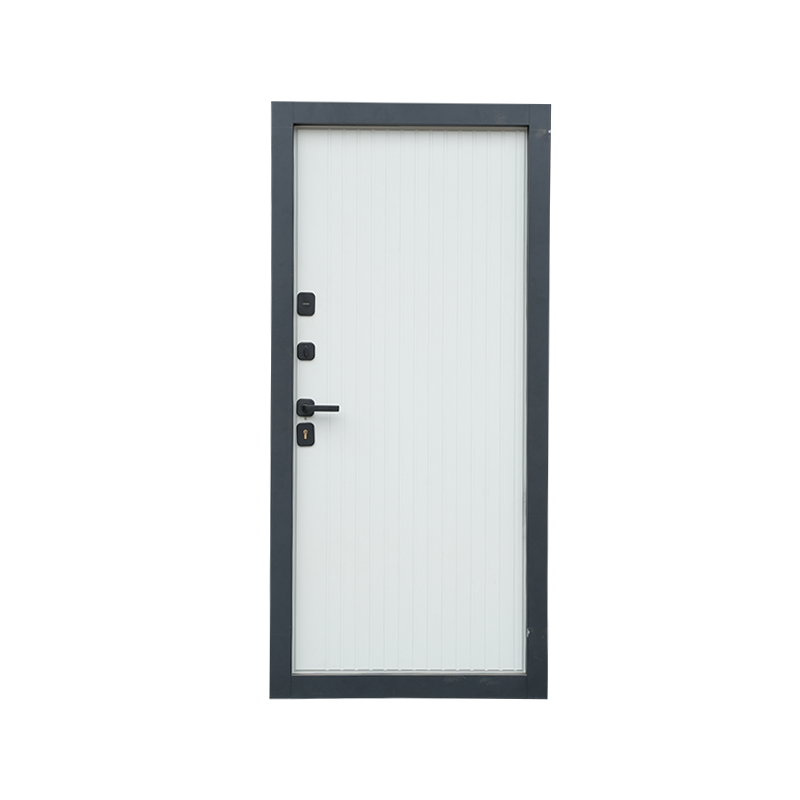
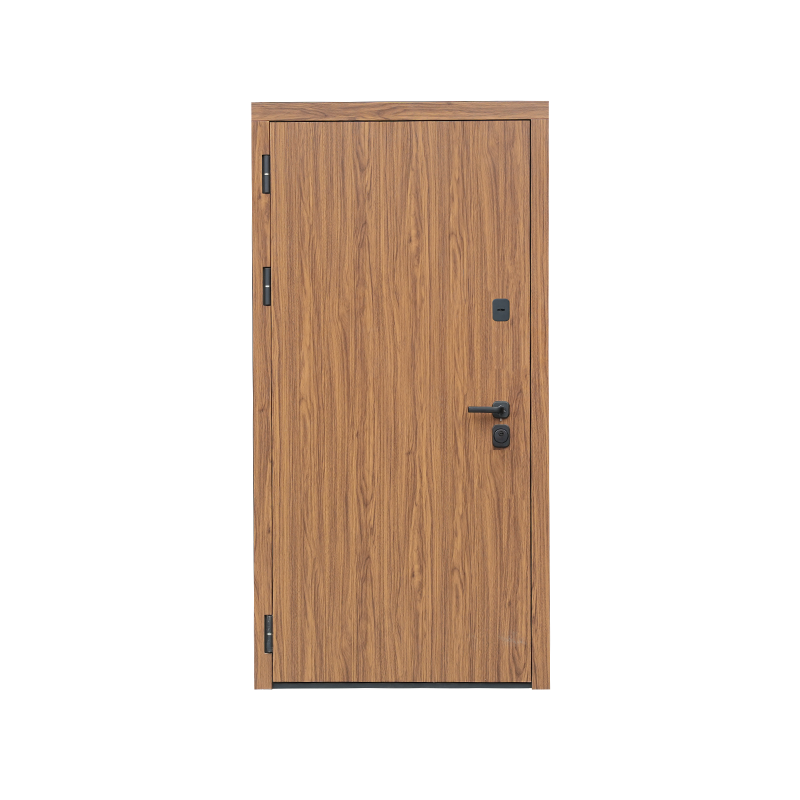
Walk down any commercial street, and the doors tell you what kind of building waits inside. Glass entrances signal openness, flooding lobbies with daylight and letting passersby peek at activity within. Steel doors speak of security and function, common in warehouses and service areas. Wooden doors bring warmth, gracing hotels, law offices, and historic buildings.
Bronze and brass accents age gracefully, developing character over decades. Modern aluminum frames accept bold colors, letting architects match doorways to brand identities. The material choice shapes first impressions before a single word is spoken.
The Hardware Nobody Notices
A building entrance door relies on an ecosystem of hardware working in concert. Panic bars allow quick exits during emergencies. Automatic operators swing or slide doors open for people carrying loads or managing mobility devices. Thresholds seal the gap beneath, blocking drafts and rain.
Door closers control speed so the panel never slams. Sensors hold it open during business hours and lock it on schedule. Each component plays a small role, and when any piece falls out of tune — a squeak, a slow swing, a draft — occupants notice immediately.
Design Choices That Speak
Architects treat the building entrance door as a signature element. Double doors create ceremony, inviting visitors through a generous opening. Revolving doors manage high-traffic lobbies while limiting air exchange between inside and out. Sliding glass walls blur the boundary entirely, opening entire facades on pleasant days.
Handles get special attention. A sculptural pull invites the hand; a horizontal bar suggests modern simplicity. Even door proportions carry meaning — tall, narrow doors feel formal, while wide openings feel casual and welcoming.
Weather Fights Back Every Day
Sun beats down, rain lashes sideways, and wind pushes against the glass. A building entrance door faces all of it, season after season. Gaskets and sweeps fight moisture, UV-stable finishes resist fading, and drainage channels route water away from thresholds.
Cold climates add another opponent: condensation and frost that test seals and hardware. Hot climates punish seals with heat and dry out lubricants. Door makers respond with weatherstripping designs and material choices matched to regional demands.