

 русский
 Español
 عربى
عربىThe Structure of Steel-Wooden Entrance Doors
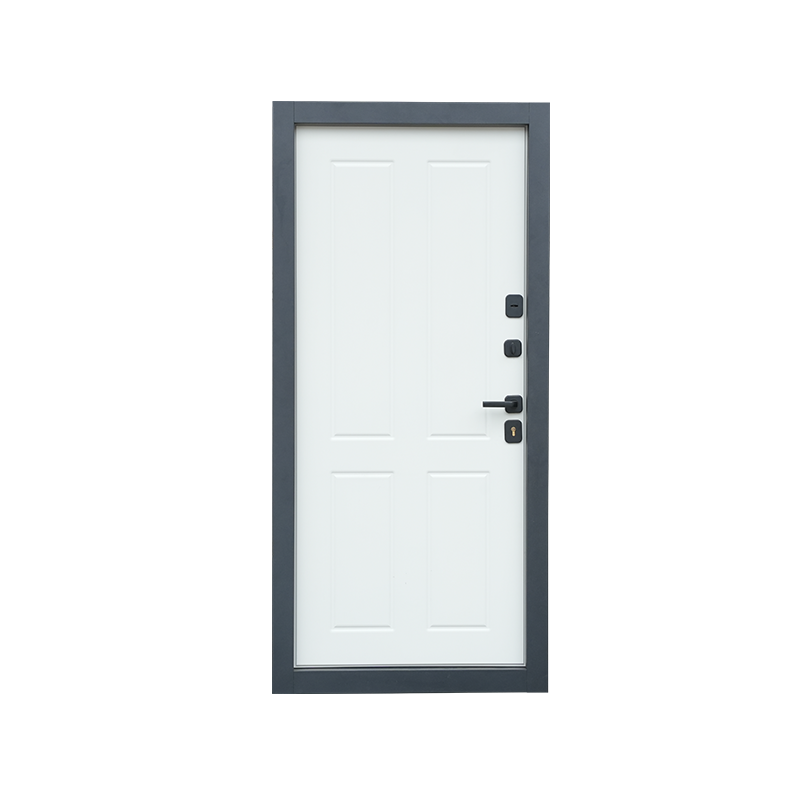
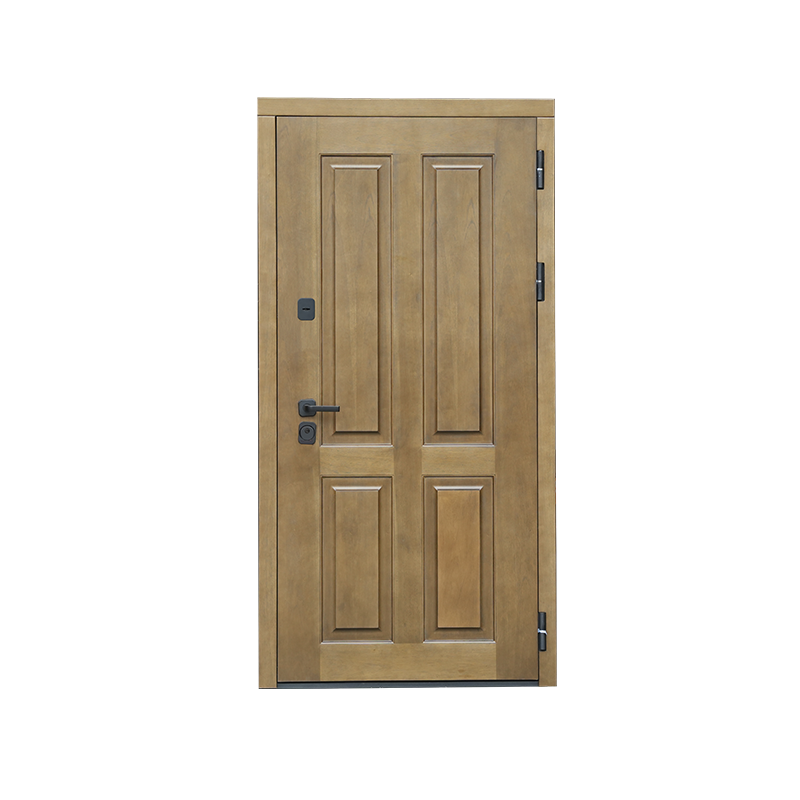
Steel-wooden entrance doors are created using a combination of solid steel and natural wood. This hybrid structure allows for a door that balances durability with aesthetic appeal. The steel component typically forms the core framework, providing strength and resistance against impacts. Around this framework, wood panels are carefully integrated to bring warmth, texture, and a traditional feel to the entrance. This combination ensures that the door remains firm and stable, while also offering an inviting appearance.
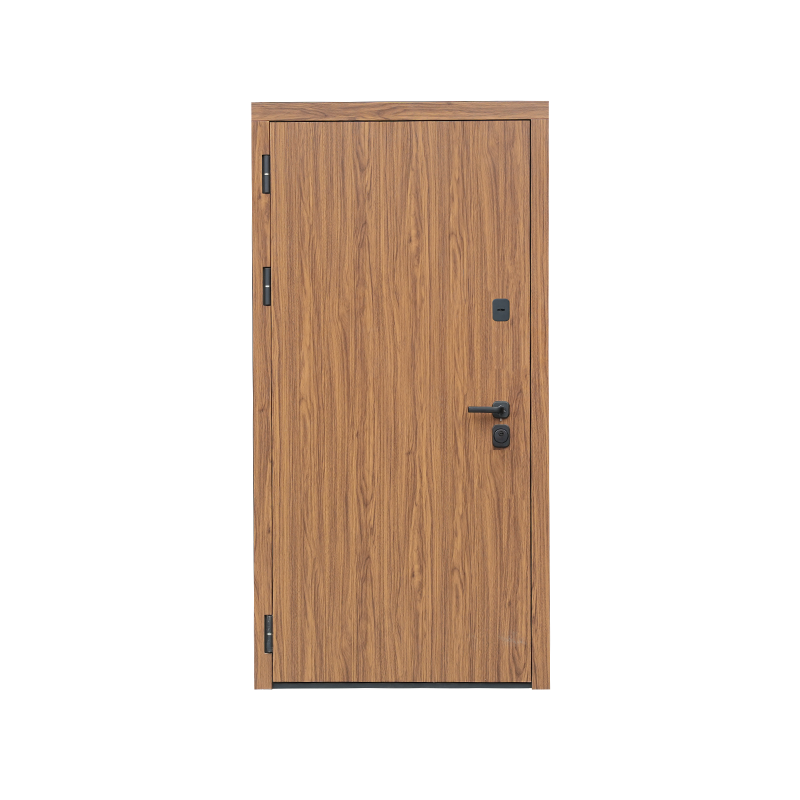
Different types of wood are used depending on design preference and regional availability. Oak, mahogany, and teak are popular choices, as their grains complement steel accents and produce a sophisticated look. The steel can also be finished in various ways, such as powder coating or painting, to match the tone of the wood and the surrounding architectural style. The result is a door that can serve as a centerpiece in both contemporary and classic home designs.
Security and Functionality Benefits
A key advantage of steel-wooden entrance doors lies in their security. The steel core provides structural strength that deters forced entry, while multiple locking points enhance safety. Unlike conventional wooden doors, which can be prone to warping or breakage, steel-wooden doors maintain their integrity under stress, offering homeowners peace of mind.
These doors often include features like reinforced hinges and impact-resistant panels. The wood exterior not only adds visual appeal but can also conceal metal reinforcements, allowing for both a robust and aesthetically pleasing barrier. The combination of materials ensures that the door is resistant to dents, scratches, and general wear, making it a functional choice for daily use.
Aesthetic Versatility
One of the most attractive features of steel-wooden entrance doors is their aesthetic versatility. The wood component can be shaped, carved, or stained in a variety of finishes, providing a unique personality to each installation. Steel elements can be highlighted with decorative finishes or left understated to complement the natural look of the wood.
The contrast between steel and wood offers a modern take on traditional entryways. Homes with minimalist facades benefit from the clean lines of steel, while the warmth of wood adds a welcoming touch. In historic or classical settings, ornate wooden panels paired with subtle steel reinforcements can enhance the architectural charm without looking out of place.
Color schemes and textures also play a major role in the appeal. For instance, dark-stained wood contrasts sharply with light-colored steel, creating a dramatic visual effect. Conversely, a muted steel tone can allow the natural wood grain to stand out, producing an elegant and understated look. This balance of materials allows homeowners to achieve a distinctive entrance that complements their overall home design.
Market Trends and Popular Designs
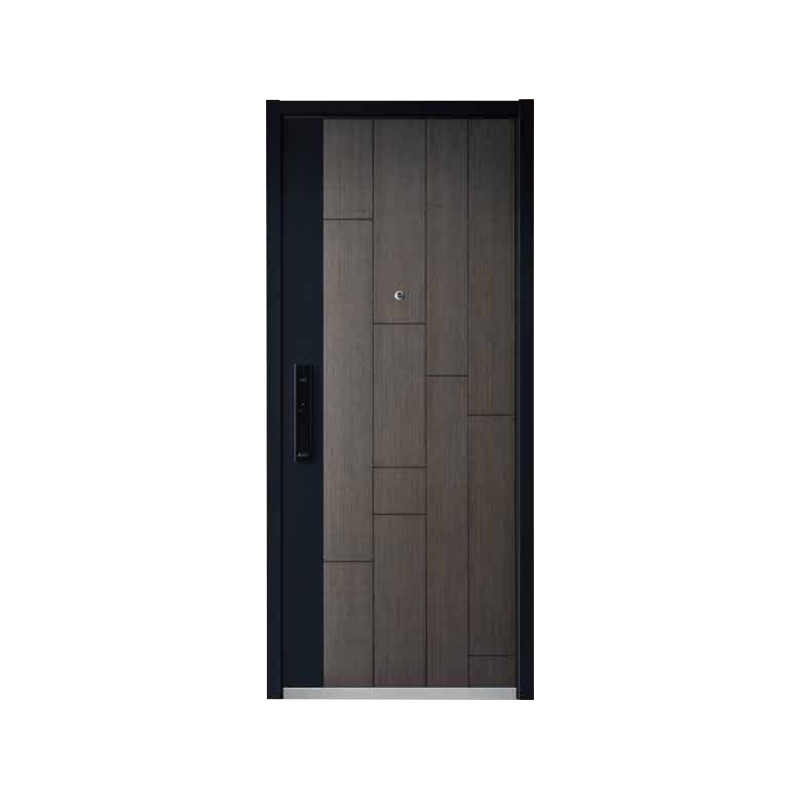
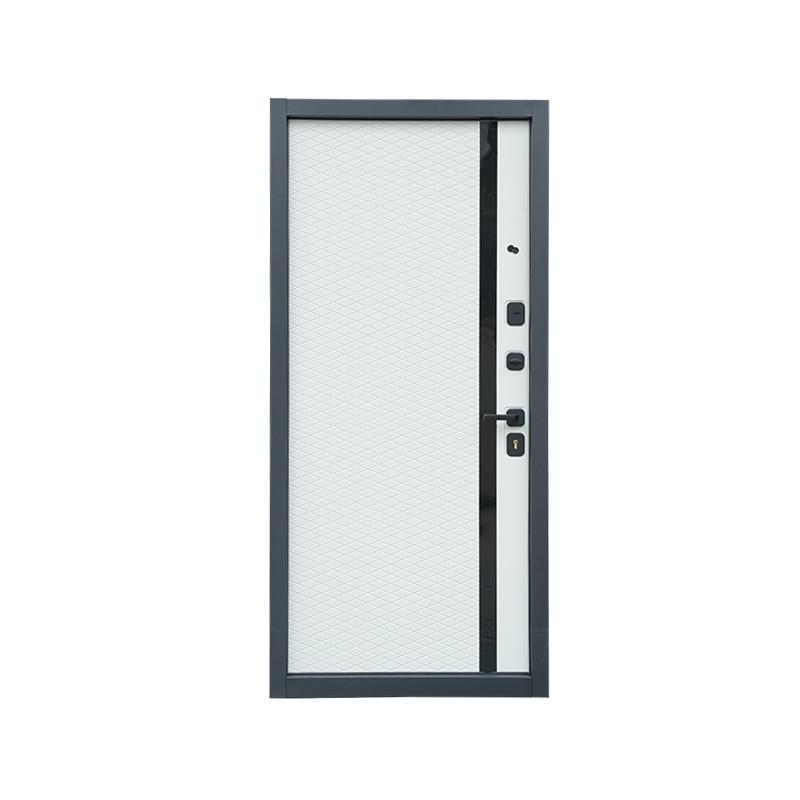
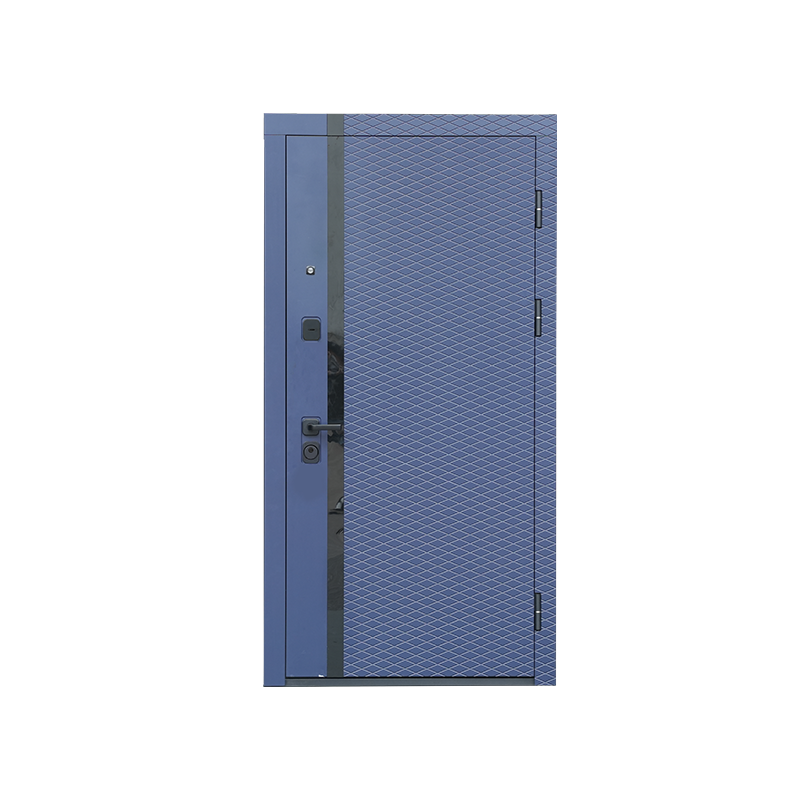
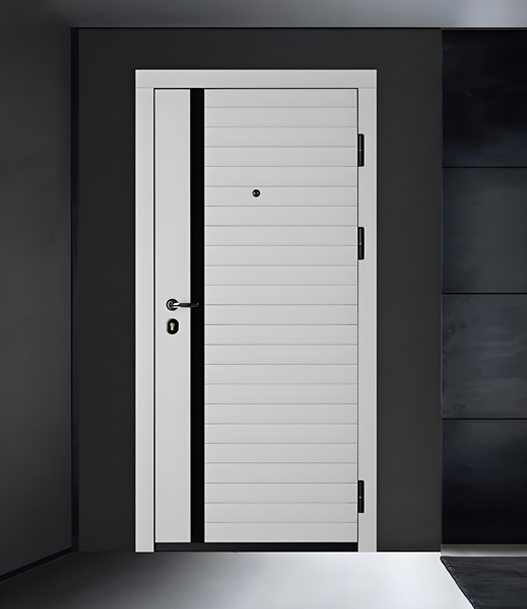
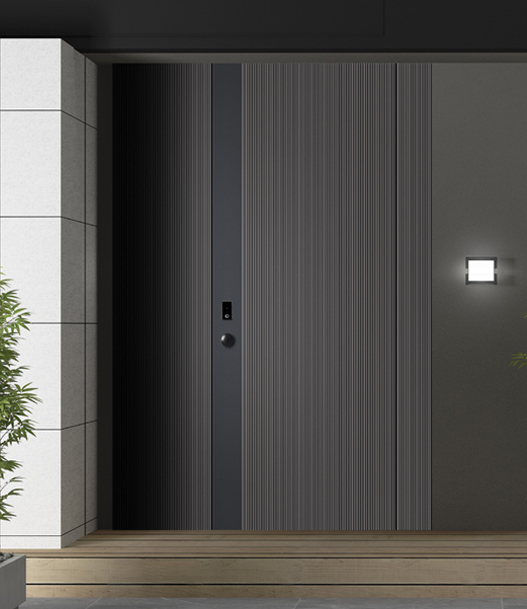
Steel-wooden entrance doors are increasingly favored in both residential and commercial properties due to their combination of style and functionality. Certain patterns, such as vertical wood panels framed with slim steel lines, are currently popular. These designs offer a contemporary appearance while retaining the solidity expected from steel structures.
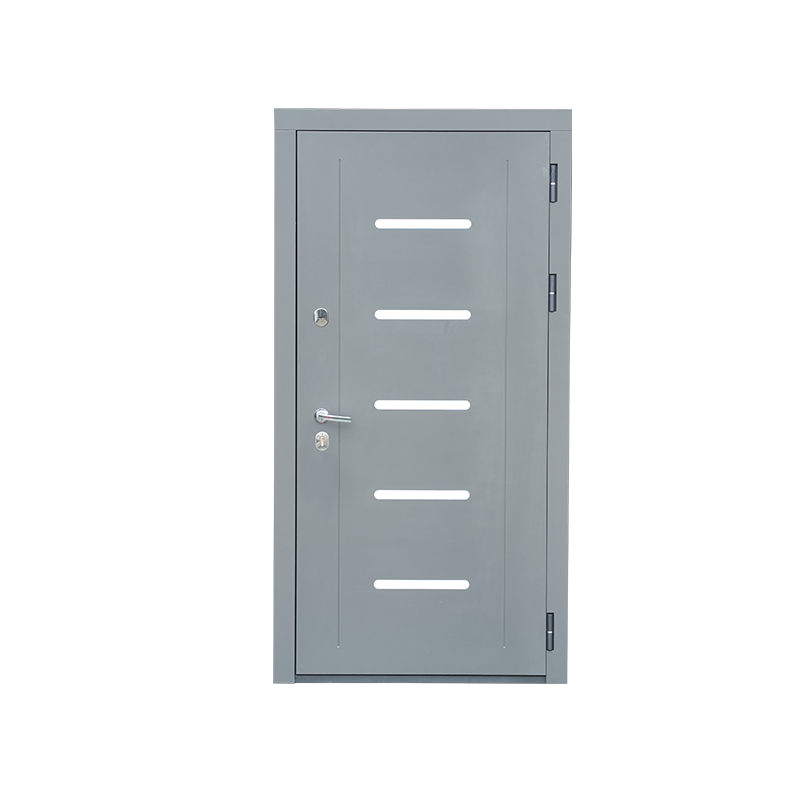
Other homeowners prefer doors with integrated glass panels or decorative metalwork, which can allow light into entryways without compromising security. The modular nature of steel-wooden doors supports such customization, making it easier to match different architectural themes.
Commercial properties, including offices and boutique hotels, also incorporate steel-wooden entrance doors to convey an impression of stability and elegance. Their ability to merge industrial strength with traditional textures appeals to designers who wish to create a memorable entrance experience. As a result, these doors are not only functional but also a statement of architectural taste.