

 русский
 Español
 عربى
عربىDefining the Smart Entrance Door
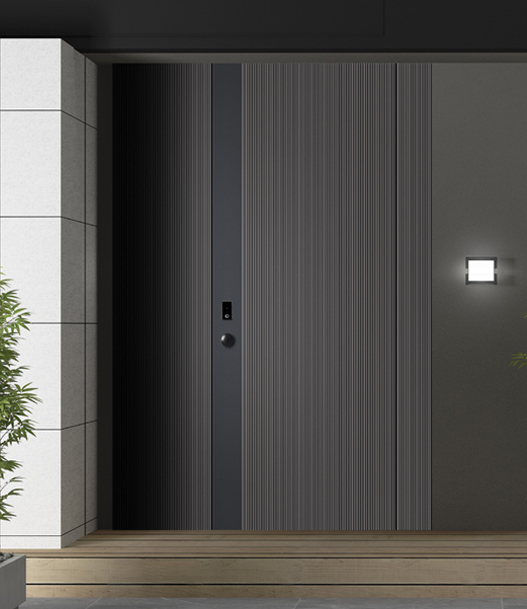
Smart entrance doors are transforming the way people access and interact with their homes. Unlike traditional doors, a smart entrance door integrates technology directly into its structure, allowing for convenient access, increased control, and seamless interaction. These doors often feature electronic locks, keyless entry systems, and sometimes integrated video or biometric identification, such as fingerprint or facial recognition.
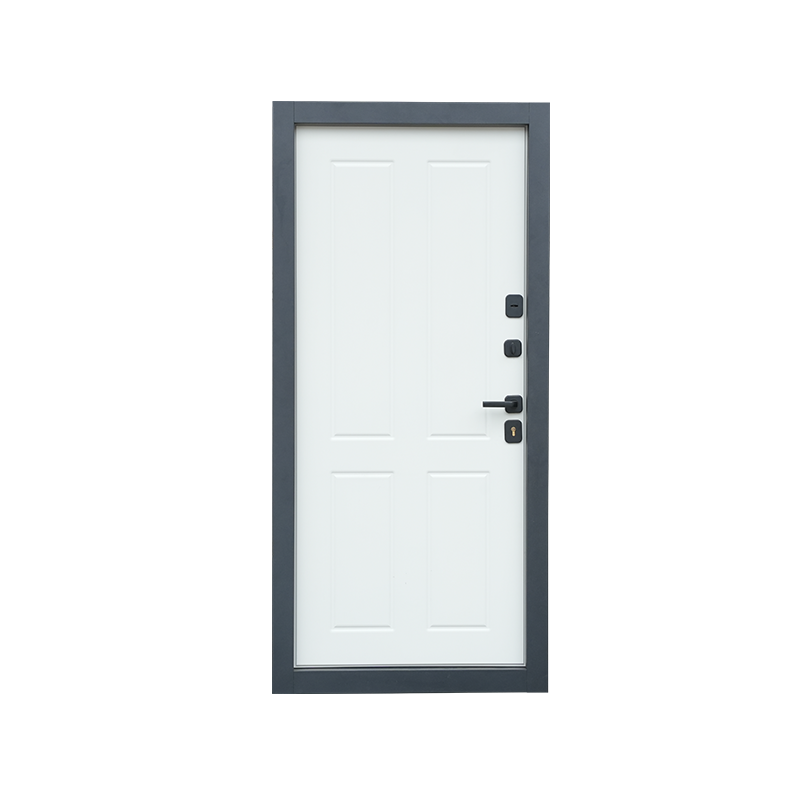
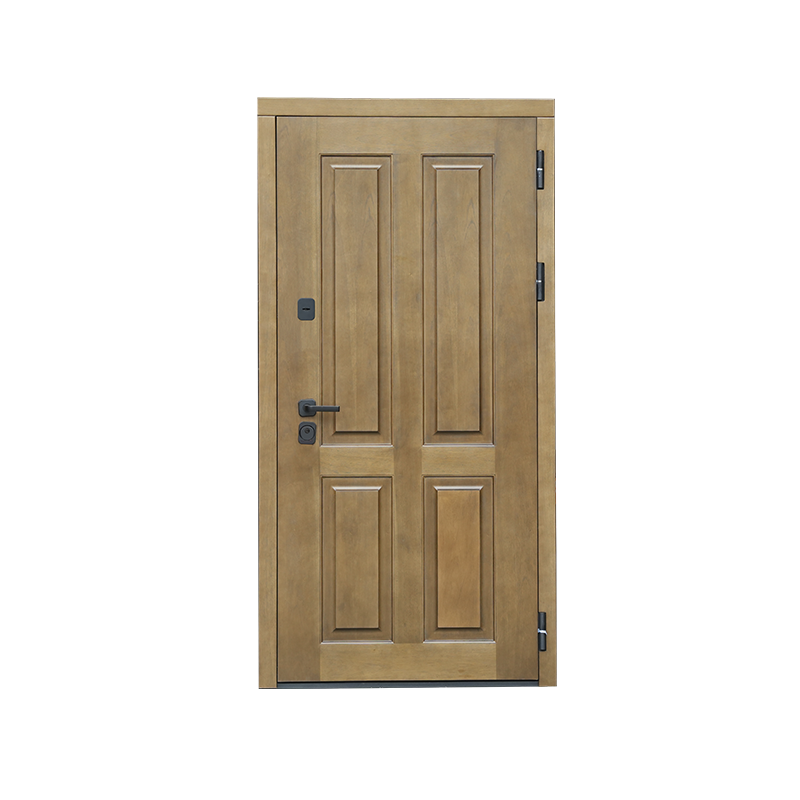
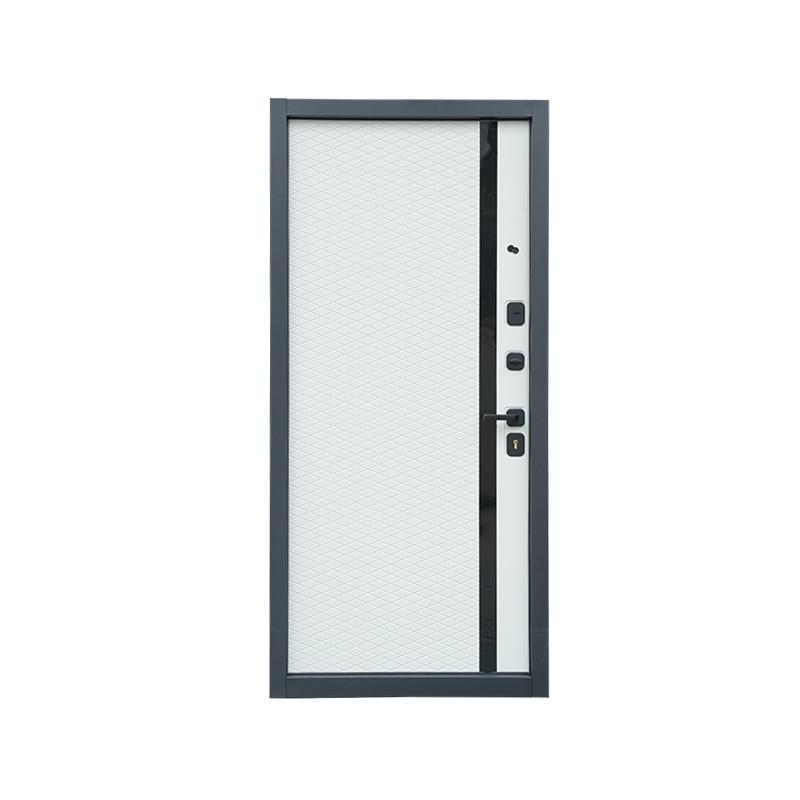
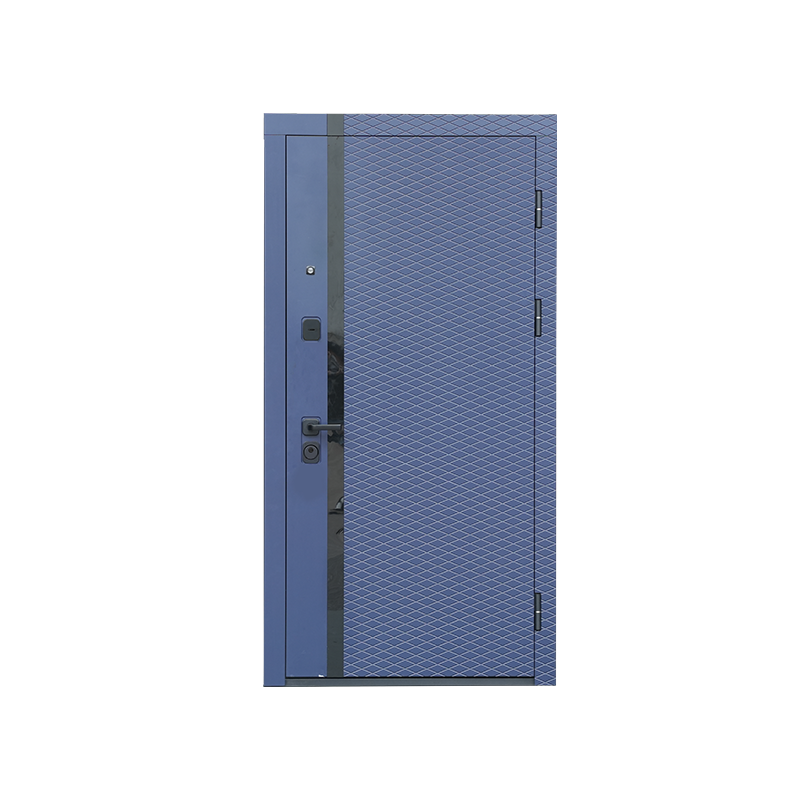
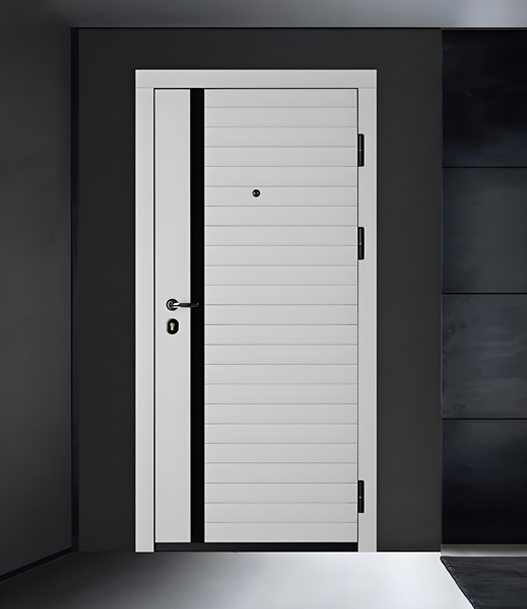
The design of a smart entrance door does not compromise its traditional role of providing security. Modern smart doors are engineered to be durable, stable, and capable of withstanding external pressures. Beyond the technology, they also include aesthetic considerations, with customizable finishes, materials, and panel styles to suit various architectural designs. This combination of technology and design makes smart entrance doors suitable for both residential and commercial applications.
Security Features of Smart Entrance Doors
A primary feature of smart entrance doors is their ability to enhance security. Electronic locking mechanisms, often combined with smartphone control or remote monitoring, allow homeowners to manage access without relying on physical keys. Some systems even track entry logs, providing a record of who enters and at what time.
Many smart doors also integrate alarms that activate if unauthorized entry is attempted. Features like reinforced frames, advanced locking bolts, and impact-resistant materials make these doors resistant to physical tampering. Unlike traditional doors, smart entrance doors provide a blend of security technology and material strength, giving homeowners both peace of mind and convenience.
Smart systems can also offer temporary access for guests, delivery personnel, or service providers. Digital keys or one-time access codes can be generated and timed to ensure secure and controlled entry. These features provide flexibility while maintaining consistent security standards.
Convenience and User Experience
Smart entrance doors are designed to simplify daily life. Keyless entry reduces the need for carrying physical keys and allows multiple access methods, including smartphone apps, PIN codes, or biometric recognition. This flexibility accommodates household members with varying preferences and schedules.
Integration with home automation systems can further enhance convenience. For instance, doors may be connected to lighting, cameras, or home security systems, automatically triggering specific actions upon entry. Some smart doors also feature notifications, alerting homeowners when someone enters or attempts access.
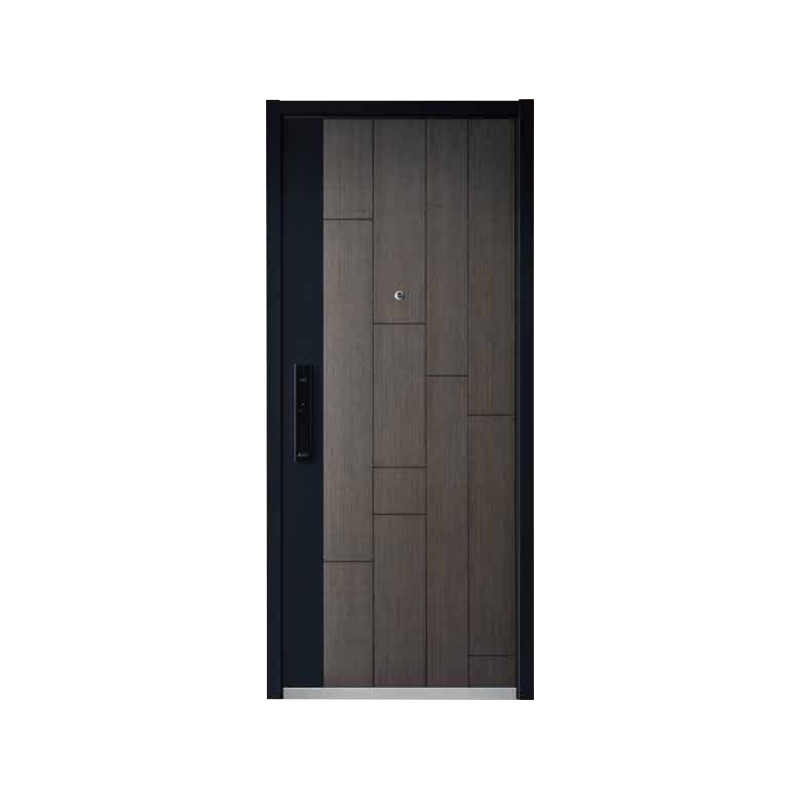
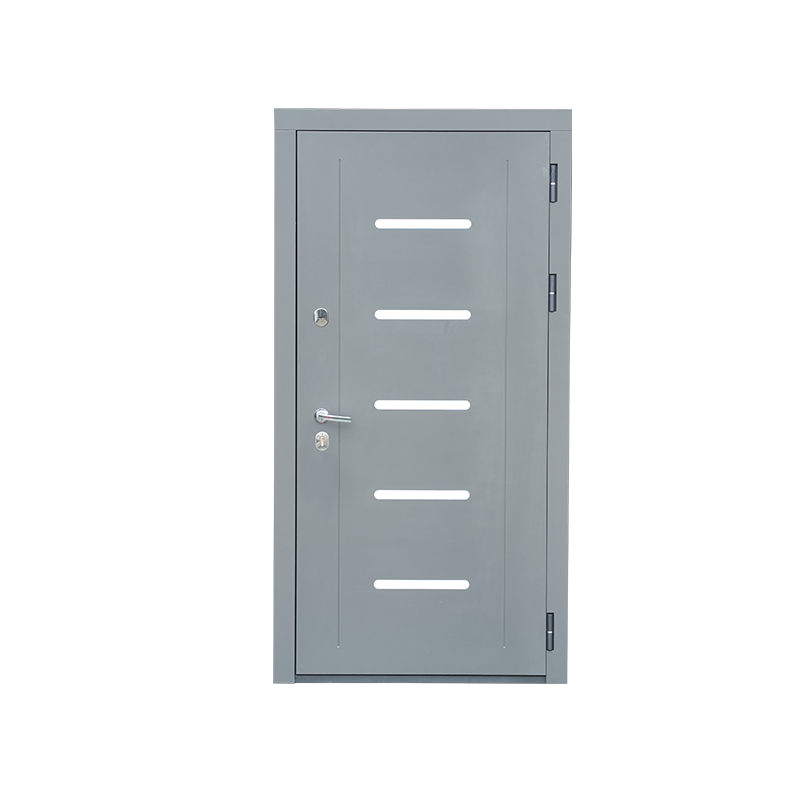
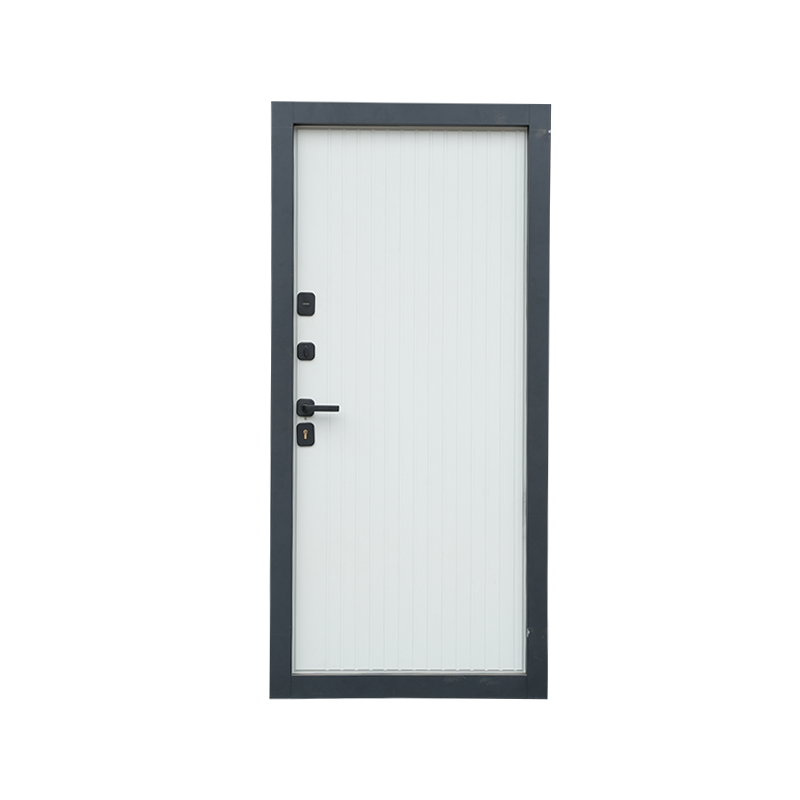
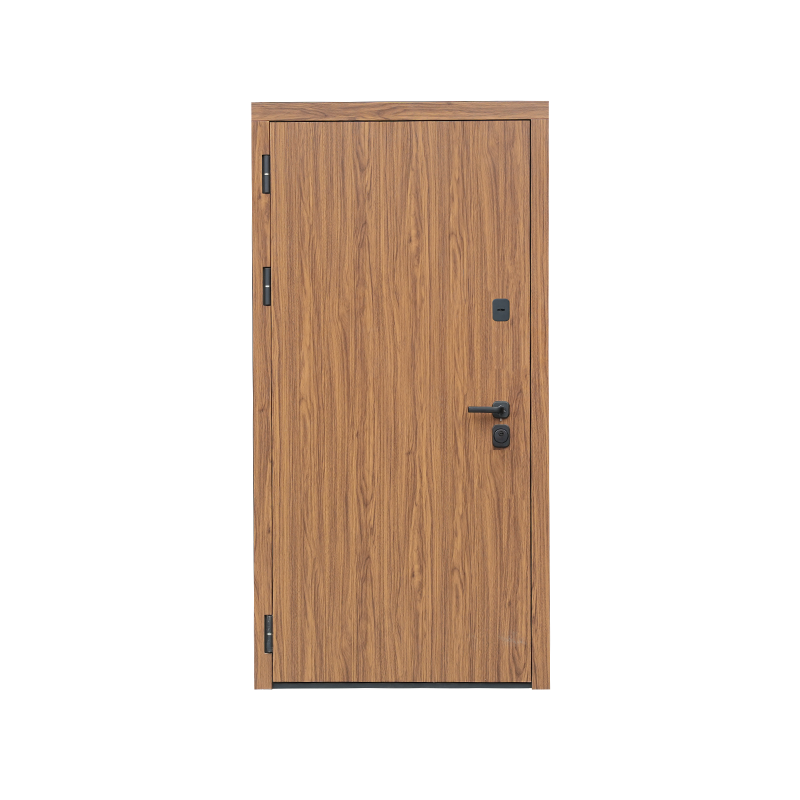
The user experience is complemented by design and customization options. Panels can be finished in wood, metal, or composite materials, while glass inserts or decorative elements enhance visual appeal. A smart entrance door can serve as both a functional access point and a stylish entry feature.
Design Trends and Popular Configurations
Smart entrance doors come in a variety of configurations to match different architectural needs. Single doors, double doors, and doors with integrated side panels or glass inserts are common. The modular nature of these doors allows for customization in size, color, material, and technology integration.
Current design trends favor minimalistic looks, where clean lines and discreet technology integration make the door blend seamlessly with the home’s facade. Some homeowners prefer doors with large glass panels to allow natural light while maintaining privacy through smart tinting or digital shades. Others choose fully opaque designs that prioritize security and structural presence.
In both residential and commercial settings, smart entrance doors balance aesthetics, security, and technology. Their adaptability ensures that they fit different entryway designs while providing a modern and convenient experience. This combination of style and functionality makes smart entrance doors an increasingly common choice for contemporary architecture.