

 русский
 Español
 عربى
عربىMetal doors have become a widely used solution in both residential and commercial construction. Known for their structural strength, durability, and design flexibility, metal doors are now applied in a broader range of environments than in previous decades. Manufacturers are refining materials, surface treatments, and internal structures to meet changing expectations in safety, energy efficiency, and architectural design.
Steel and Aluminum Remain Key Material Choices
Material selection significantly influences how a metal door performs in different environments.
Steel doors are widely used in applications where strength and security are priorities. They offer high resistance to impact and deformation. Steel doors are often treated with galvanization or powder coating to reduce corrosion and improve surface durability.
Aluminum doors are lighter and naturally resistant to rust. They are frequently used in environments where moisture exposure is a concern, such as coastal regions or exterior architectural installations. Aluminum also allows more flexibility in design, making it suitable for modern minimalist building styles.
Some metal doors combine steel frames with aluminum panels or insulation layers to balance weight, strength, and thermal performance.
Energy Efficiency and Insulation Are Becoming More Important
Modern construction standards place increasing attention on energy efficiency. Metal doors are now designed not only for security but also for thermal control.
Insulated metal doors often include foam cores that reduce heat transfer between indoor and outdoor environments. This helps maintain stable indoor temperatures and reduces energy consumption in heating and cooling systems.
Weather stripping and sealing systems are also used to limit air leakage. These components help improve performance in regions with temperature variation or high wind exposure.
In commercial buildings, energy-efficient metal doors are commonly integrated into broader building envelope systems to support overall environmental performance goals.
Security Applications Remain a Core Function
Security continues to be one of the primary reasons for using metal doors. Their rigid structure makes them suitable for controlling access and protecting interior spaces.
Reinforced locking systems, multi-point locks, and impact-resistant panels are commonly used in security-focused designs. Some metal doors are also built to meet fire resistance standards, offering protection in emergency situations by slowing the spread of flames and smoke.
Industrial and storage facilities often rely on heavy-duty metal doors that can withstand frequent use and mechanical stress. In these environments, durability and reliability are prioritized over decorative design.
Design Flexibility Has Increased
Earlier metal doors were often associated with simple industrial appearance. However, design improvements have expanded their use in residential and architectural projects.
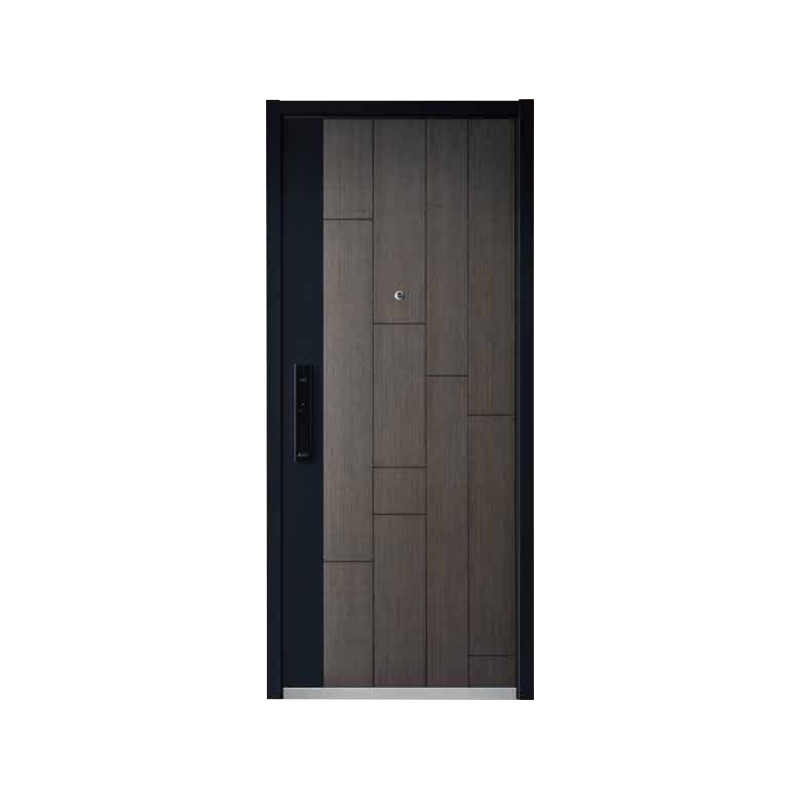
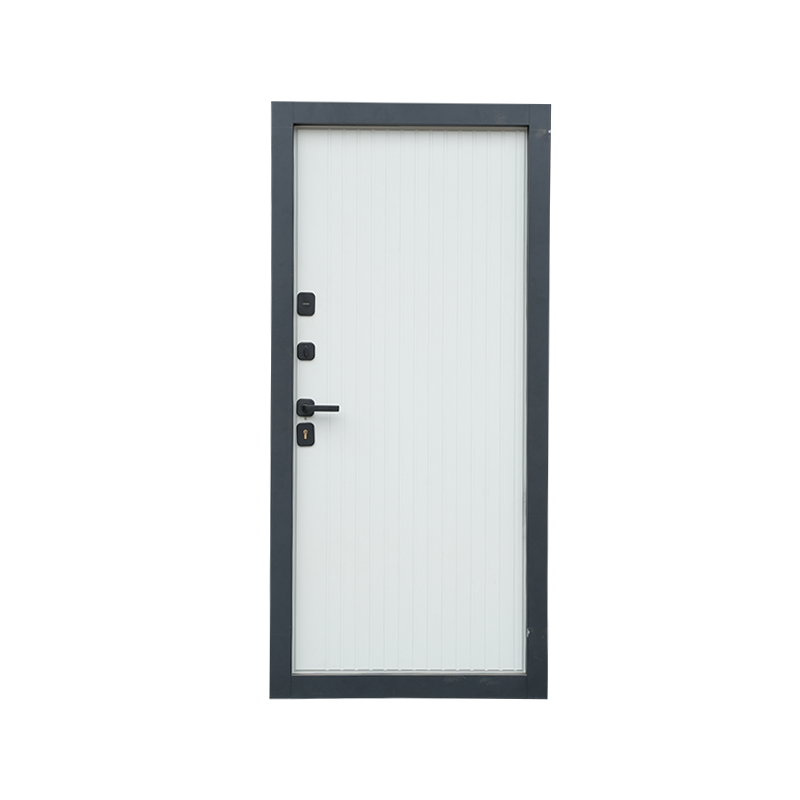
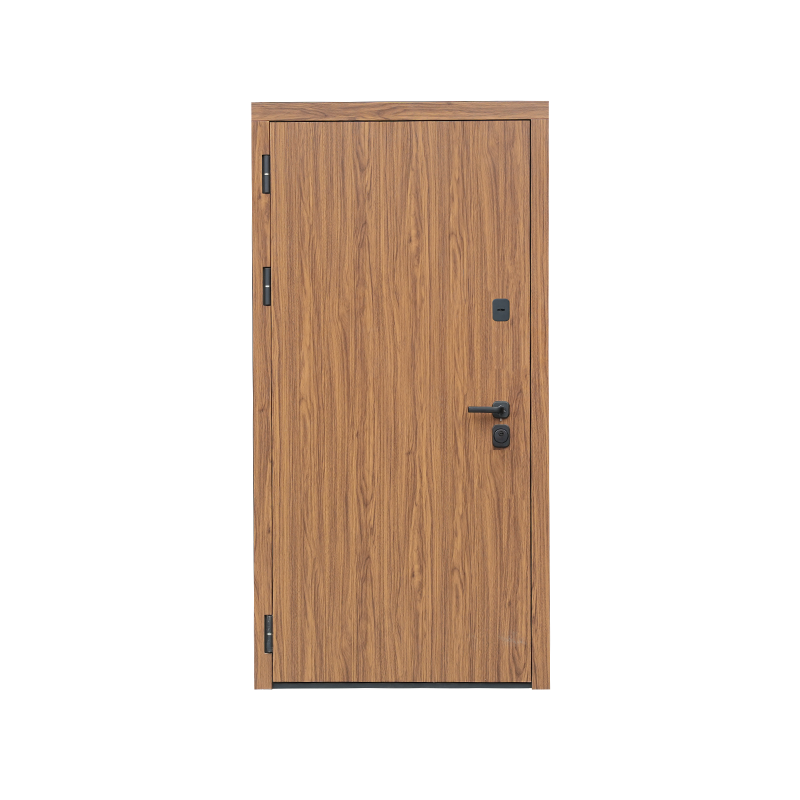
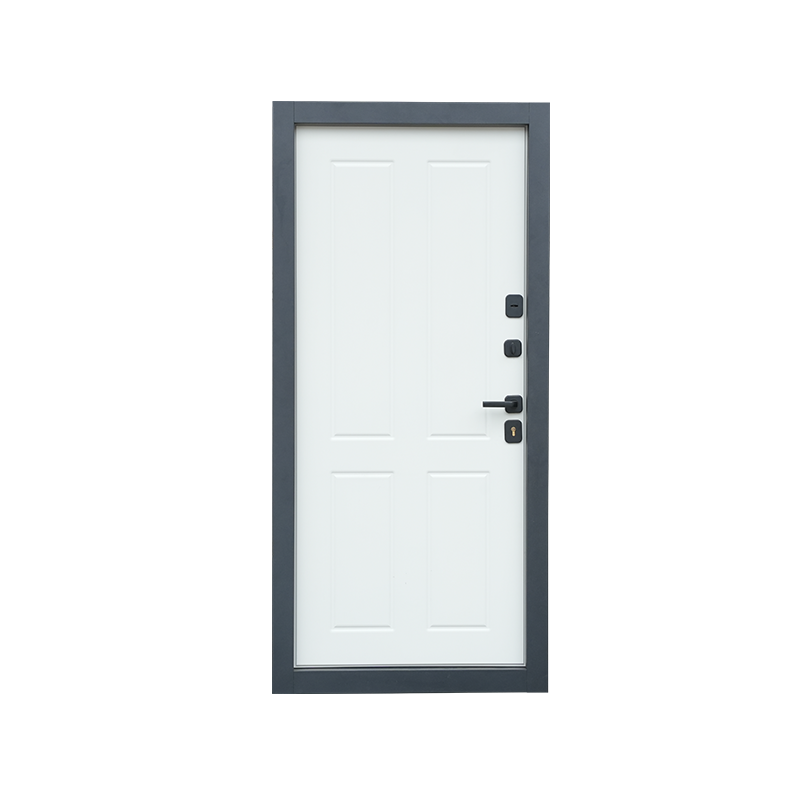
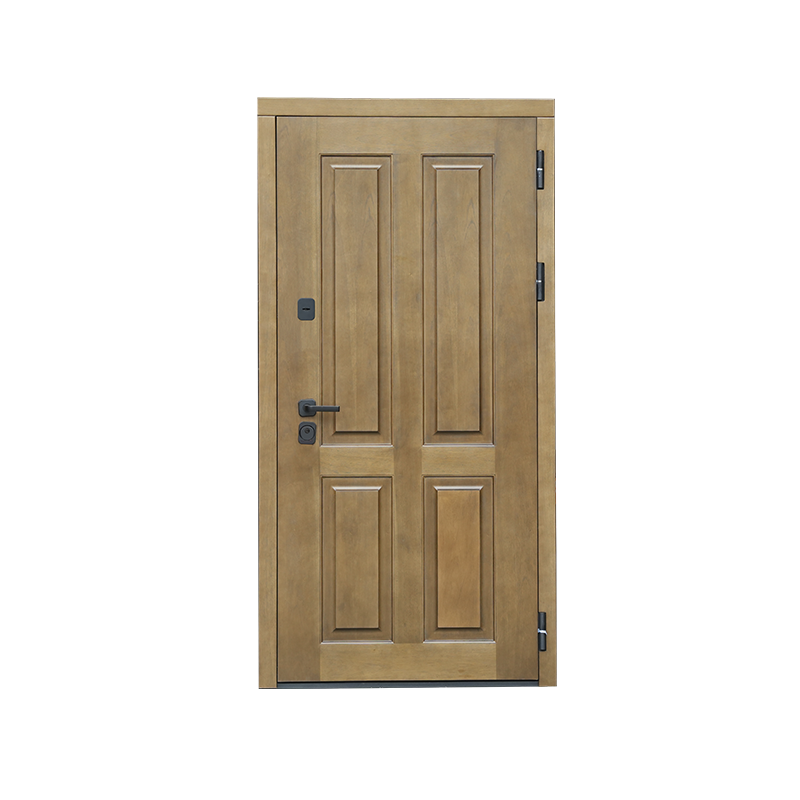
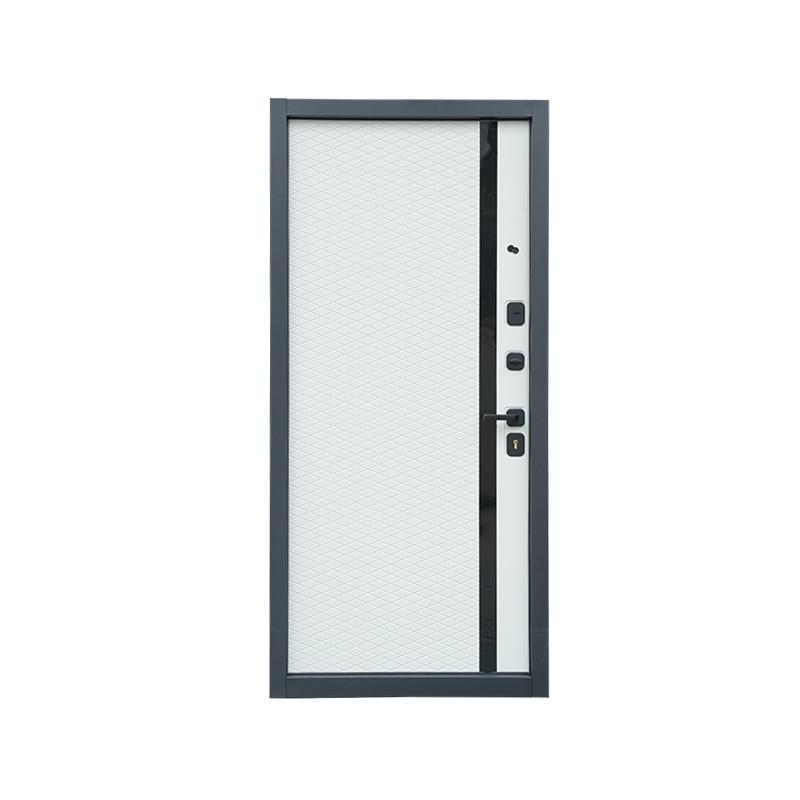
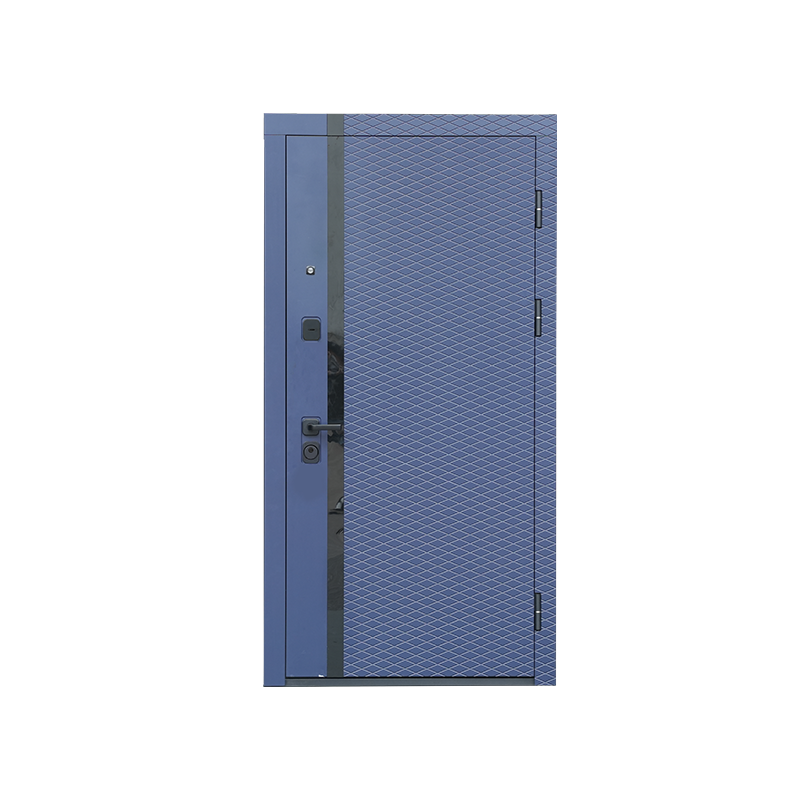
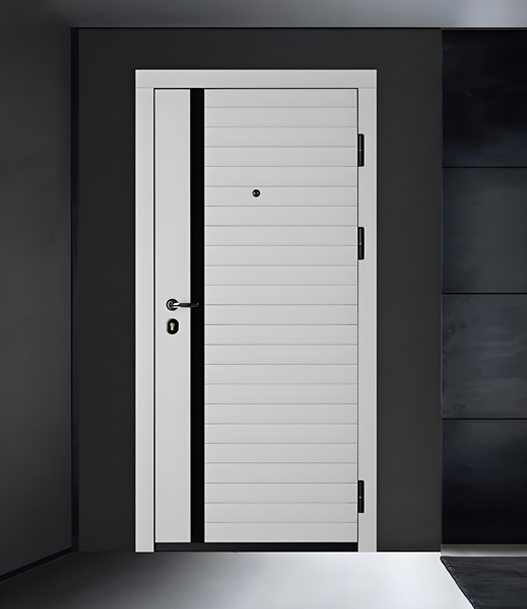
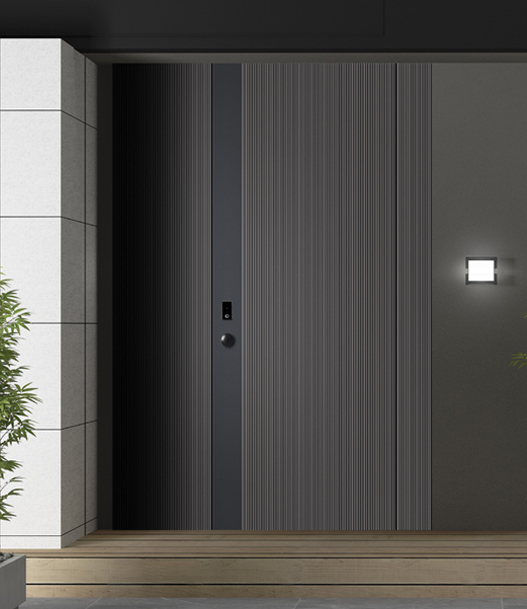
Surface finishing techniques such as powder coating, brushed metal textures, and wood-grain laminates allow metal doors to match different architectural styles. This has made them more common in modern homes, office buildings, and retail environments.
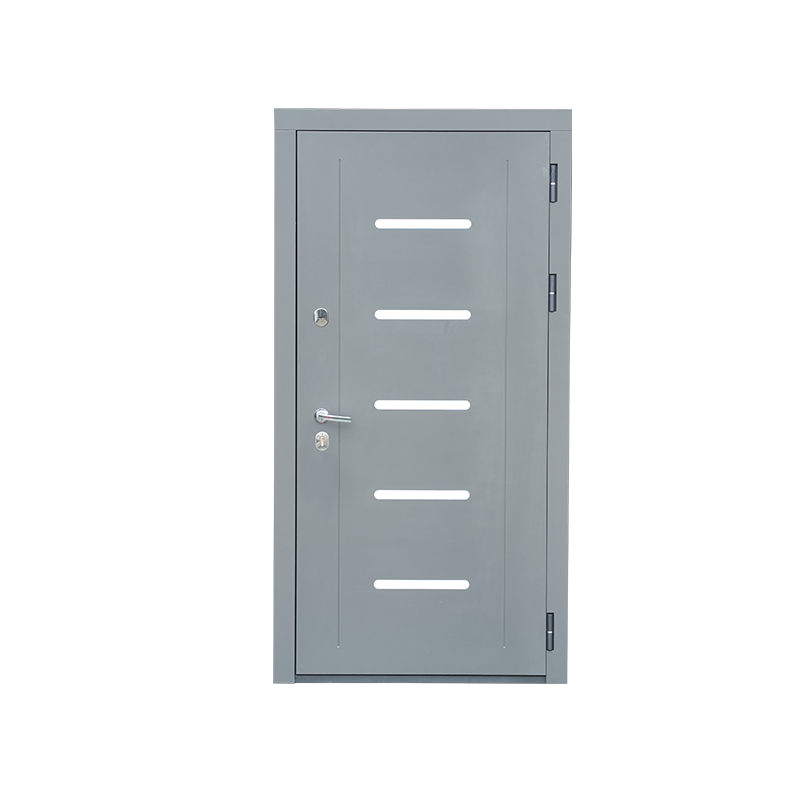
Glass panel integration is also becoming more frequent. Metal frames combined with tempered or frosted glass create designs that balance natural light access with structural strength.
Custom sizing and color options allow architects and builders to align metal door designs with overall building aesthetics.
Manufacturing and Fabrication Developments
Metal door production involves several manufacturing processes, including cutting, welding, forming, and surface finishing. Automation and CNC machining have improved consistency in production quality.
Laser cutting technology is used to achieve precise panel shapes and decorative patterns. Robotic welding systems help maintain structural uniformity across large production batches.
Surface coating methods such as powder coating and electrostatic painting provide protection against corrosion and wear. These coatings also contribute to visual customization options.
Quality control processes typically include strength testing, insulation evaluation, and hinge durability checks to ensure performance under repeated use.