

 русский
 Español
 عربى
عربىThe internal structure is where the real engineering happens
A standard residential door is built around a timber or hollow core, sometimes with basic insulation filling the gaps. An armored door is built around the assumption that someone will try to force it open — and the internal structure reflects that. Steel reinforcement plates are embedded within the door leaf itself, positioned to resist crowbar attacks and drilling attempts at the points where leverage is easiest to apply. Some constructions use a full steel skeleton welded into the core; others use a layered approach with hardened steel inserts at lock and hinge positions specifically.
The fill material between those steel components matters too. Dense mineral wool or honeycomb steel panels are commonly used — both add rigidity and make the door significantly heavier than it looks. That weight isn't incidental. It's part of what makes forced entry take long enough to deter most attempts. A door that takes thirty seconds to kick in is a completely different security proposition from one that holds for several minutes against sustained effort.
Frame and wall anchoring — the part most buyers overlook
The door leaf gets most of the attention in any armored door conversation, but the frame is equally important and more often the weak point. A heavily reinforced door mounted in a standard timber frame is a security measure with a significant gap in it. Experienced burglars know this — attacks on the frame itself, or on the wall around it, are a common workaround when the door leaf resists direct assault.
Quality armored door systems address this by pairing the door with a steel frame designed to anchor directly into the structural wall, not just the surrounding trim. The anchoring bolts — typically 10 to 14mm hardened steel — run deep into the masonry or concrete, distributing impact force across a wide area rather than concentrating it at a single point. When the frame is properly installed this way, the weakest point of the assembly shifts back to the door leaf and its locking system, which is where the reinforcement is concentrated.
Aesthetics and customization — how the category has changed
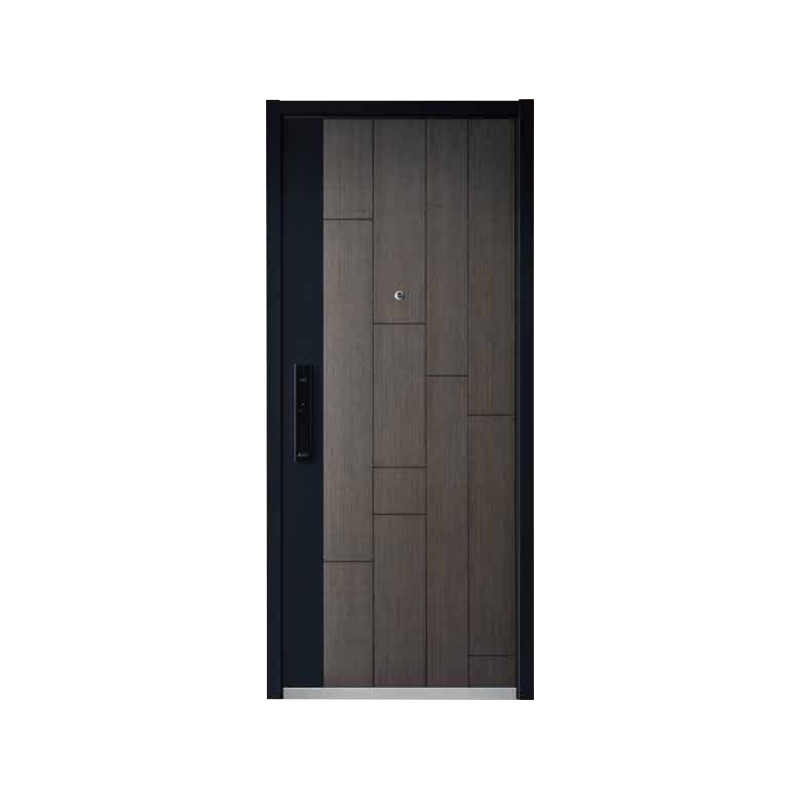
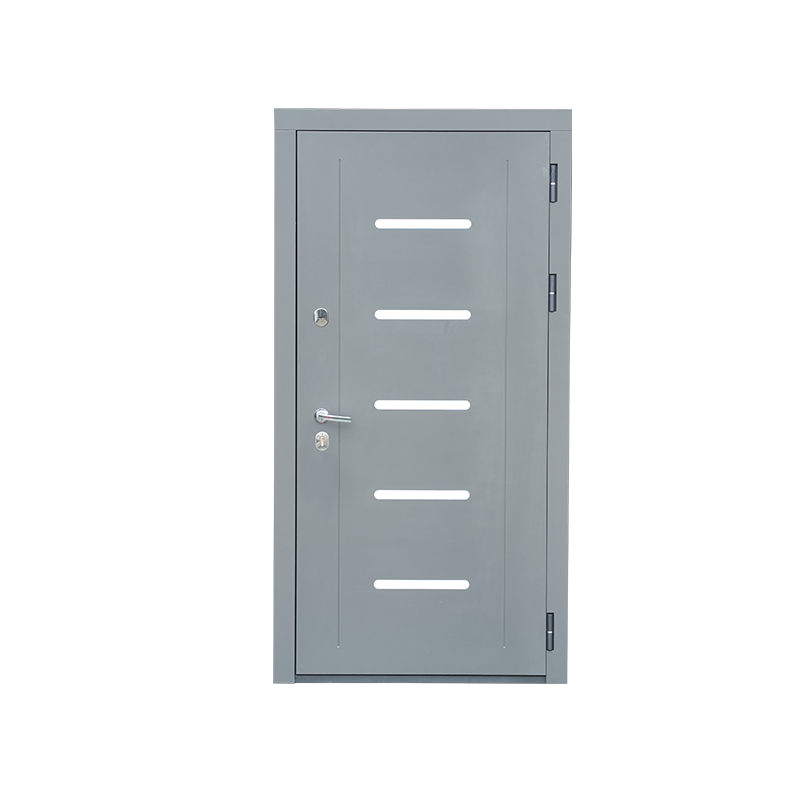
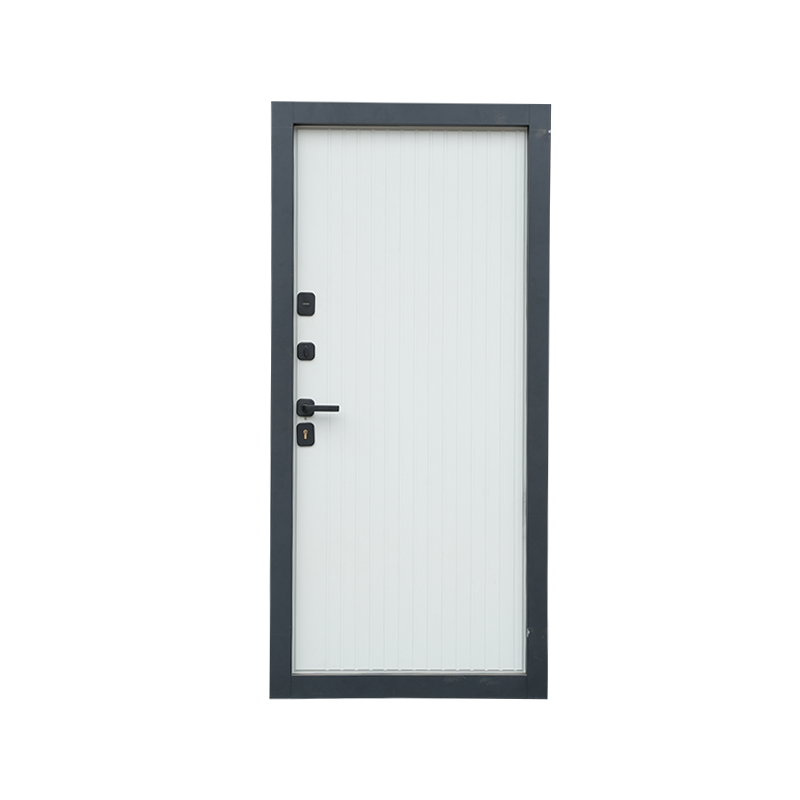
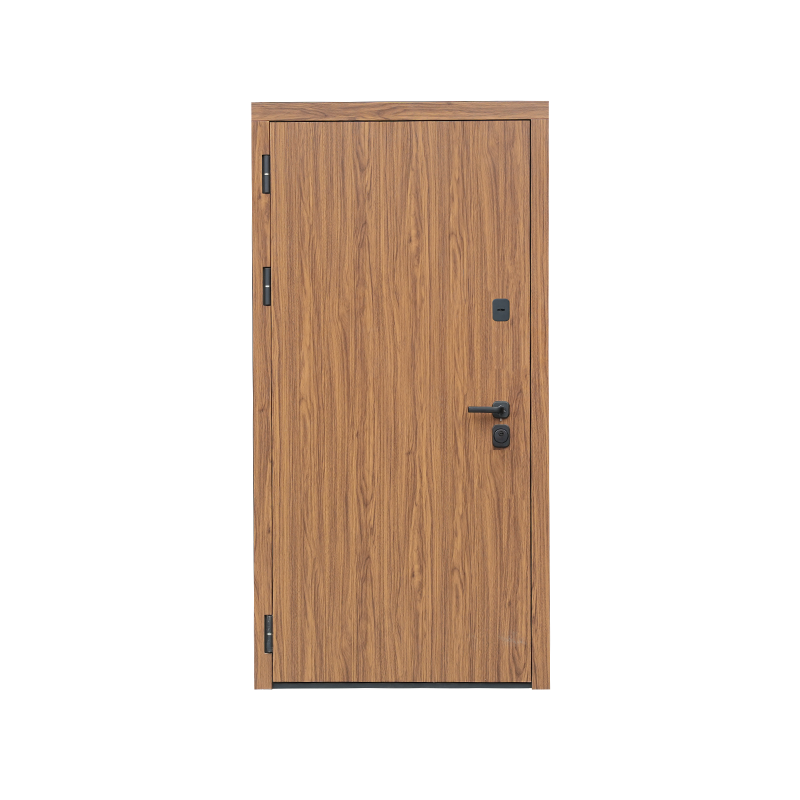
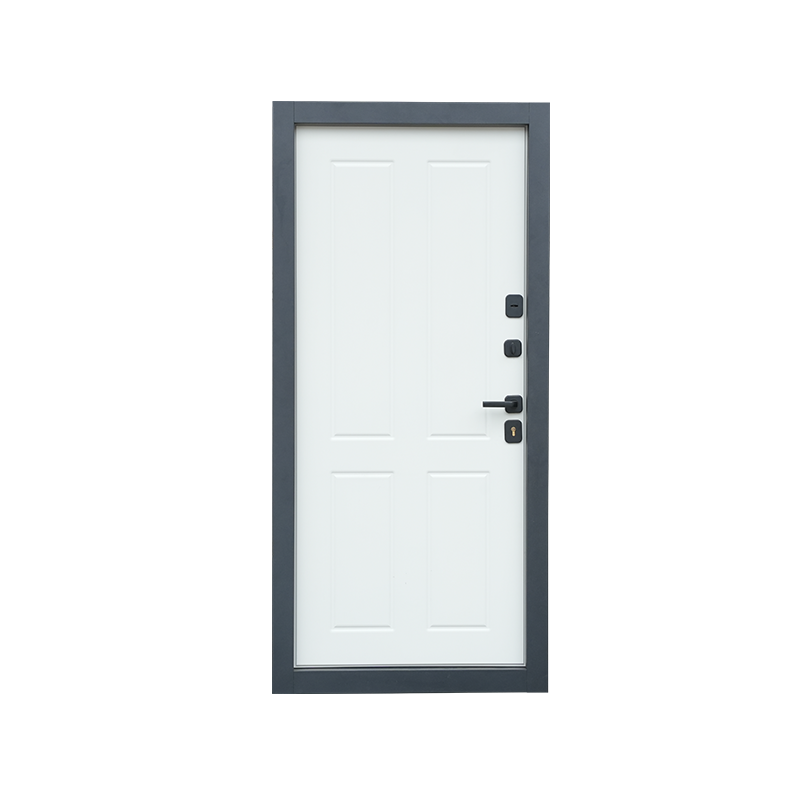
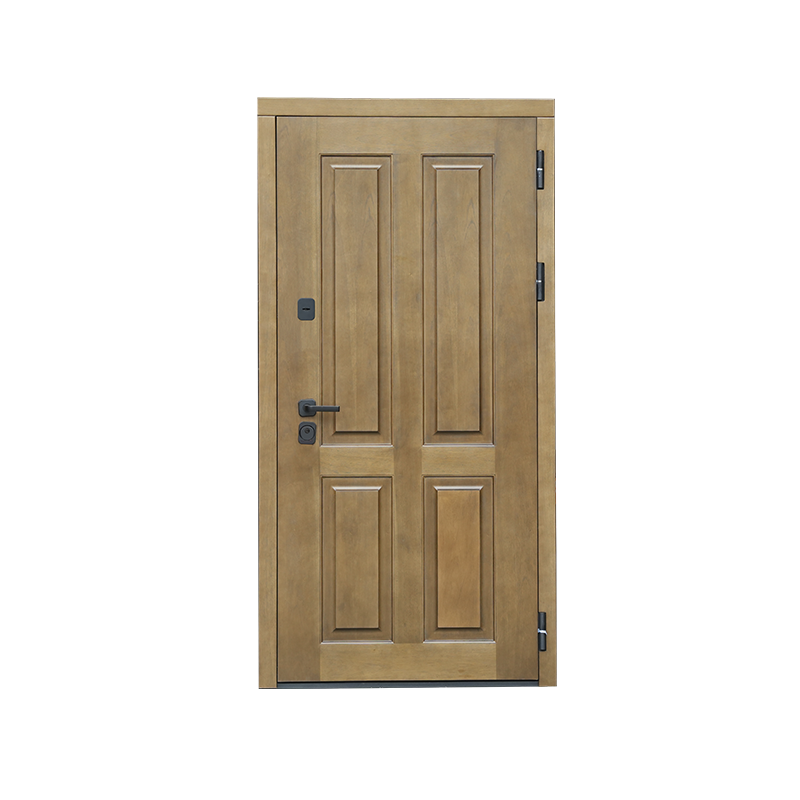
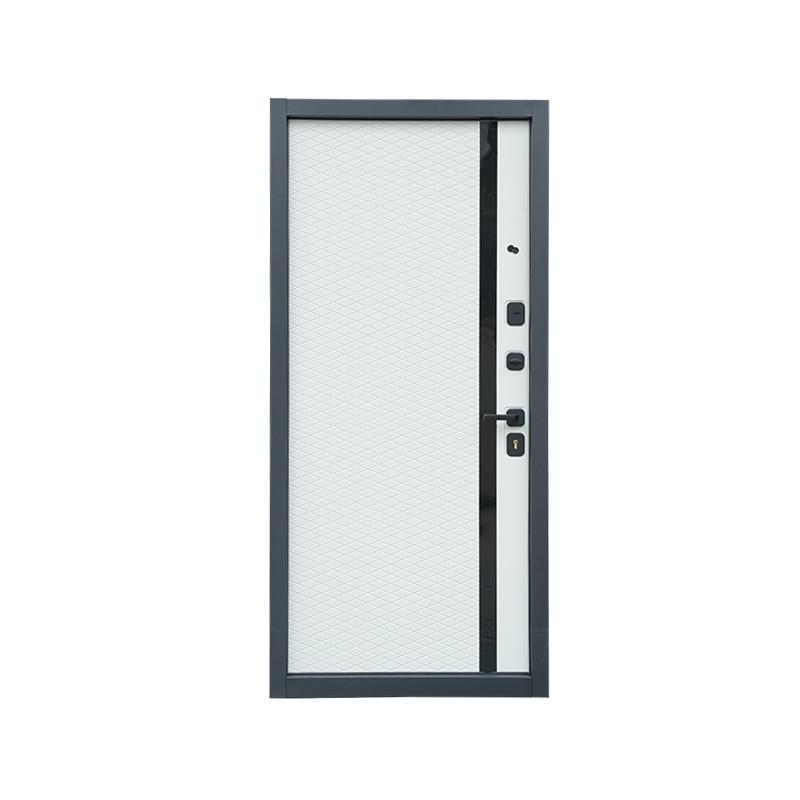
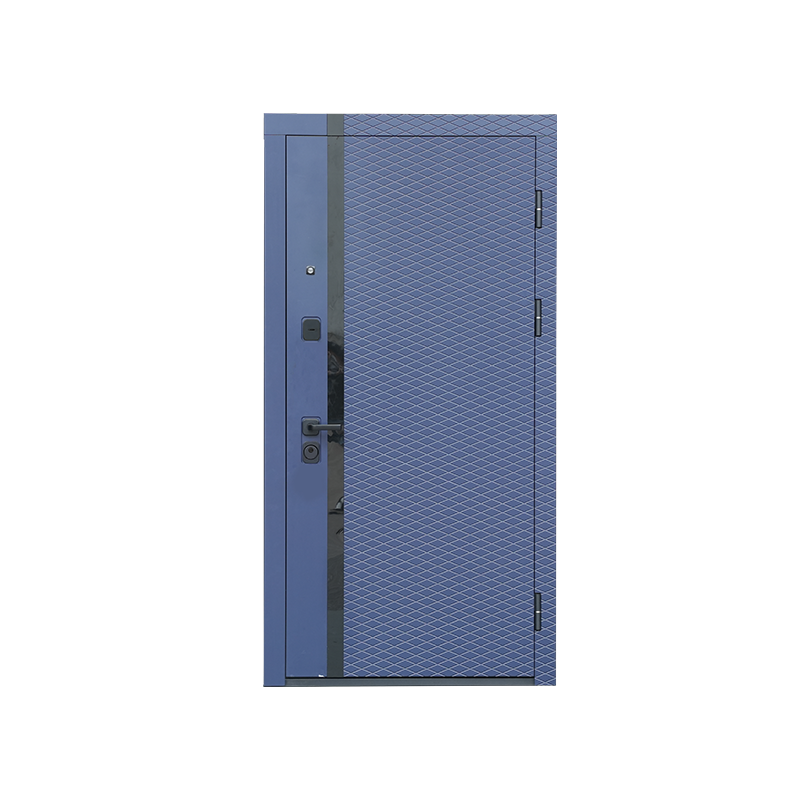
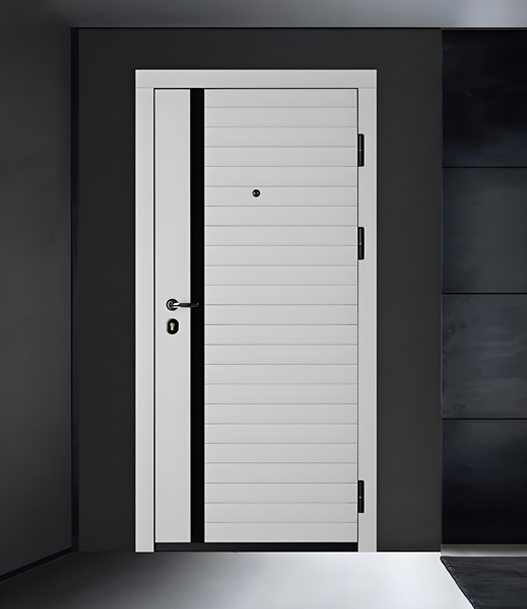
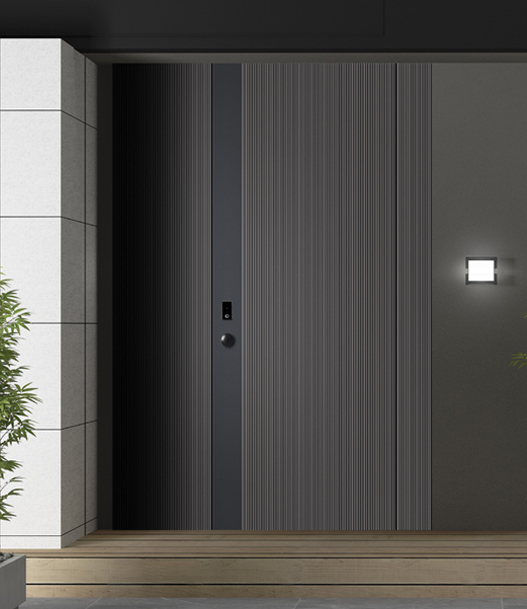
There was a period when buying an armored door meant accepting something that looked unmistakably industrial — heavy, utilitarian, and completely at odds with any interior that wasn't a bunker. That's changed. The outer skin of a modern armored door is typically a steel panel finished with a wood veneer, lacquer, or textured coating that can be matched to the surrounding architecture fairly closely. Flush designs, recessed panel profiles, and custom RAL color finishes are all available from manufacturers who've understood that residential buyers won't compromise on appearance for the sake of security.
Glass panels can be incorporated without significantly undermining the door's resistance — laminated security glass with polycarbonate interlayers resists both impact and cutting in ways that standard double glazing doesn't come close to. Sidelight panels and vision slits follow the same logic, using the same glass specification as the door itself. The result is a door that reads as a considered design choice from the outside rather than an obvious security installation — which, in certain contexts, is itself a practical advantage.