

 русский
 Español
 عربى
عربىWhy Combine Steel and Wood in One Door
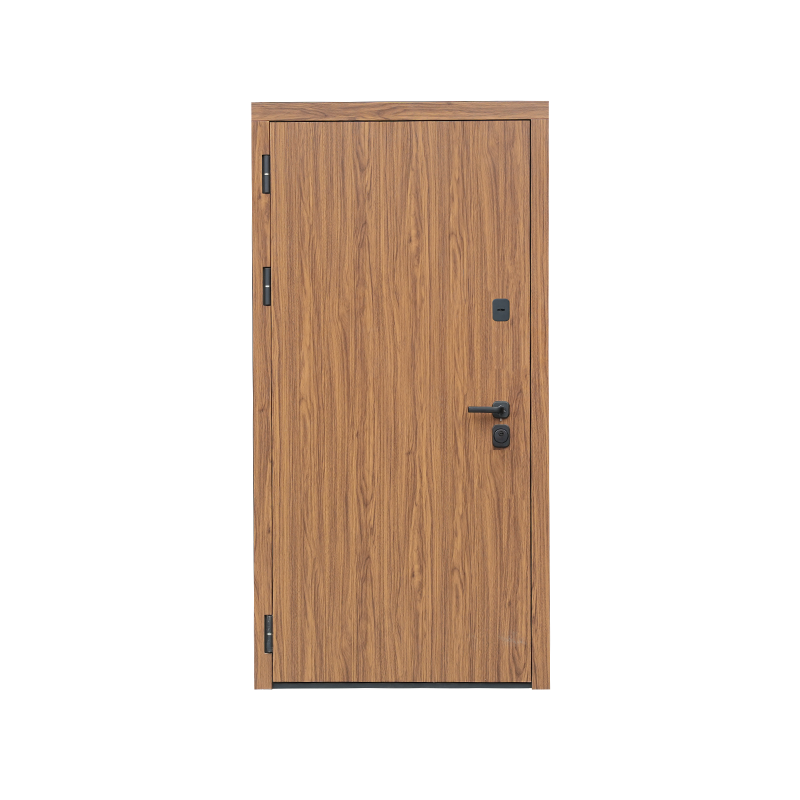
The combination solves two problems at once. Wood doors warp with humidity changes, especially in climates with big seasonal swings. Steel doors can feel institutional and don't always hold paint or veneer finishes well. A steel wood door avoids both issues — it keeps its shape like steel, but the surface can still carry a wood-grain finish or veneer overlay closer to a traditional wooden door.
This matters a lot in mixed-use buildings — apartment complexes, hotels, and office buildings — where hallway doors need fire resistance and durability, but the building owner still wants something that doesn't look like a warehouse fire door in a residential corridor. A few reasons this combination gets specified often:
- Surface finish flexibility — wood veneers, laminates, or paint finishes apply more evenly over an engineered wood substrate than directly onto bare steel.
- Weight balance — a steel-wood hybrid typically weighs less than a solid steel door of the same fire rating, which simplifies hinge and frame selection.
- Sound dampening — the wood core layer adds some acoustic absorption that a hollow steel door alone doesn't offer.
A Steel Wood Door Starts With Its Frame
Frame selection follows a similar logic to the door itself. Steel frames are common even when paired with a steel-wood door, mainly because frame and door need matched expansion behavior — pairing a wood frame with a steel-composite door can create uneven movement at the hinge side over repeated use. Some manufacturers do offer wood-clad steel frames, giving a matched look with the door face while keeping the frame's structural core metal.
Hinge count and placement typically follow door weight rather than door type specifically. A steel-wood door with a thicker substrate core sits closer in weight to a solid-core wood door than to a hollow steel one, so hardware specs often borrow from standard solid-core door tables rather than lightweight hollow-metal ones.
Steel Wood Door Panels Follow Simple Logic
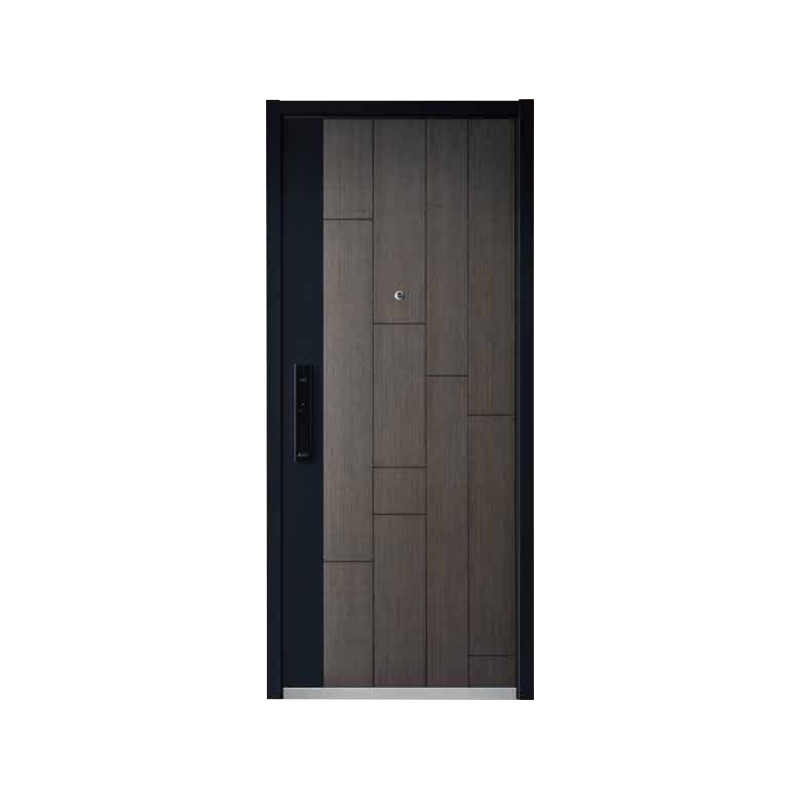
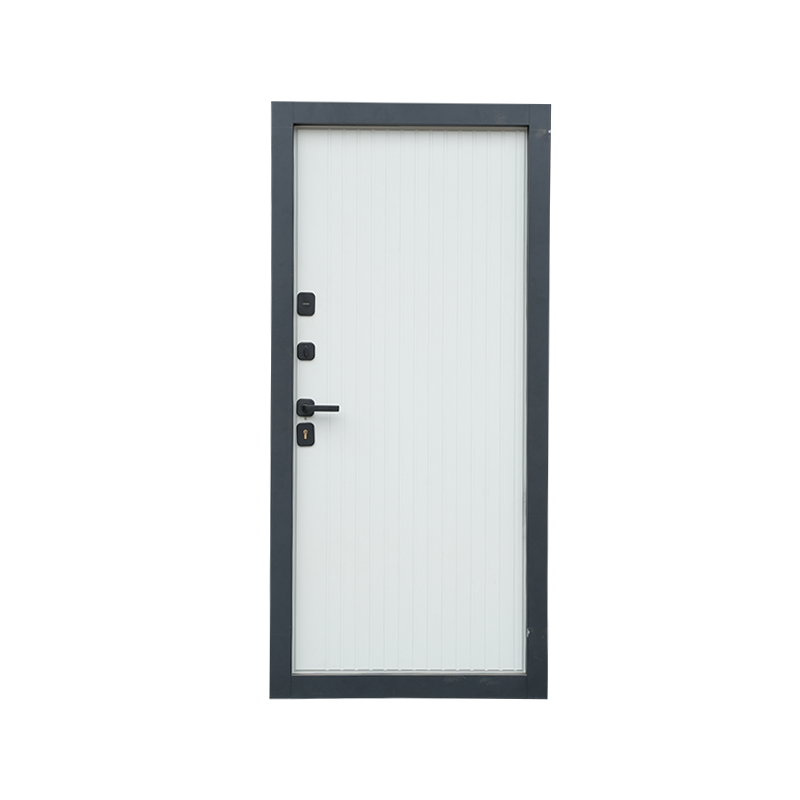
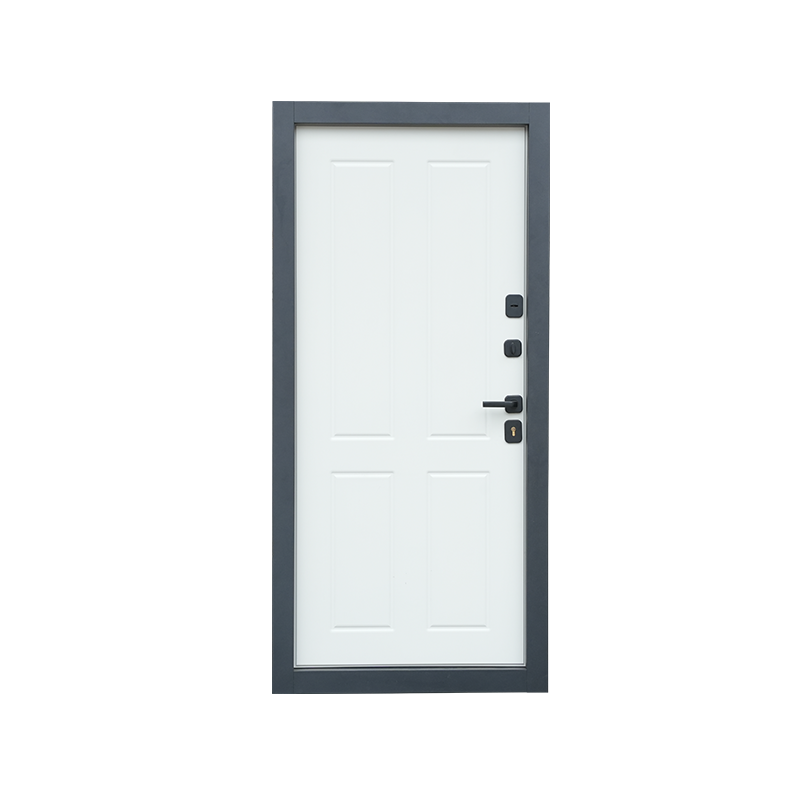
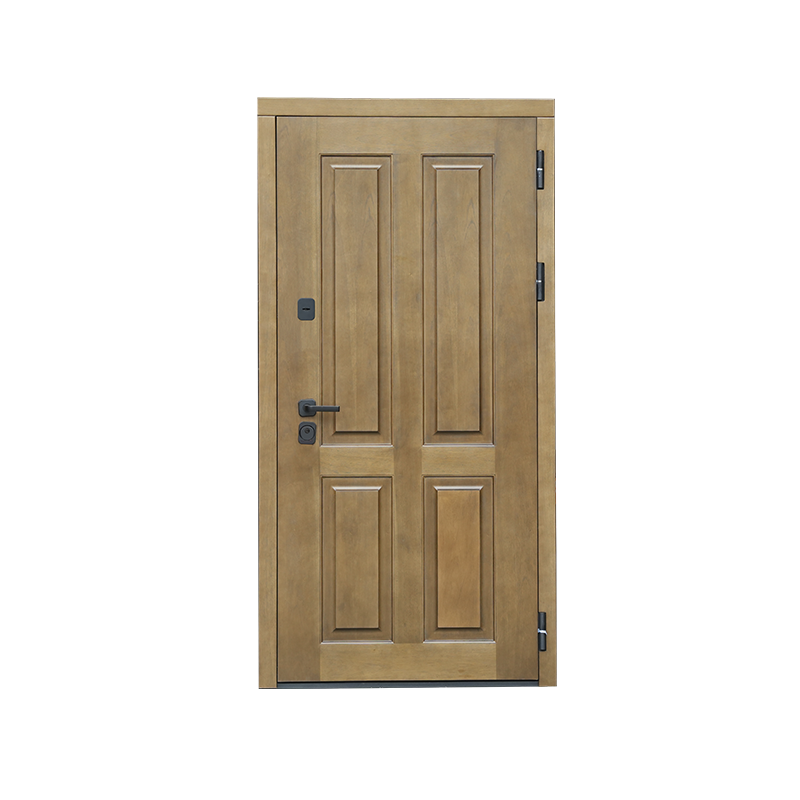
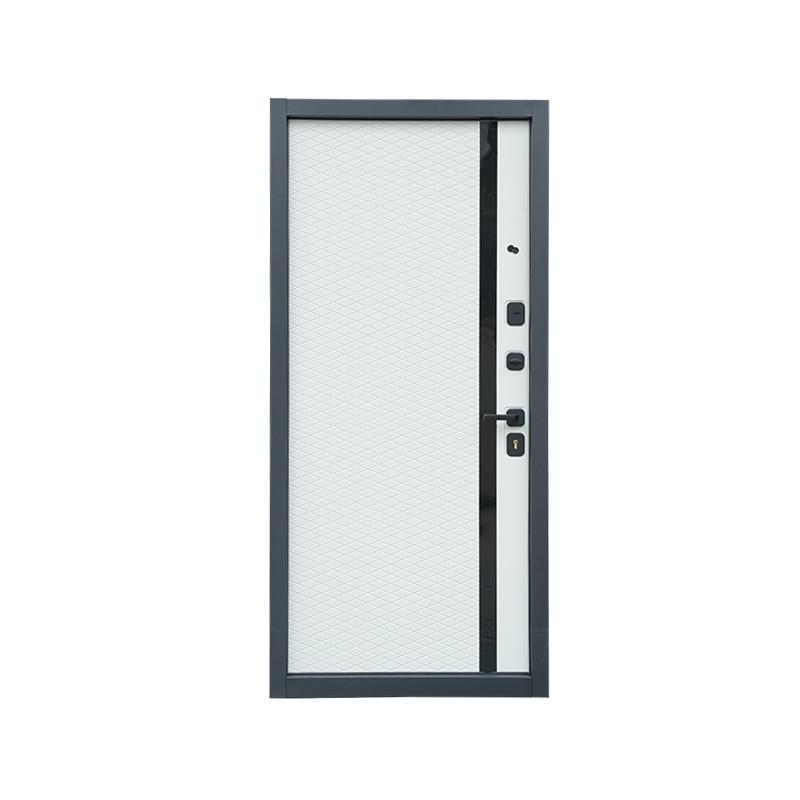
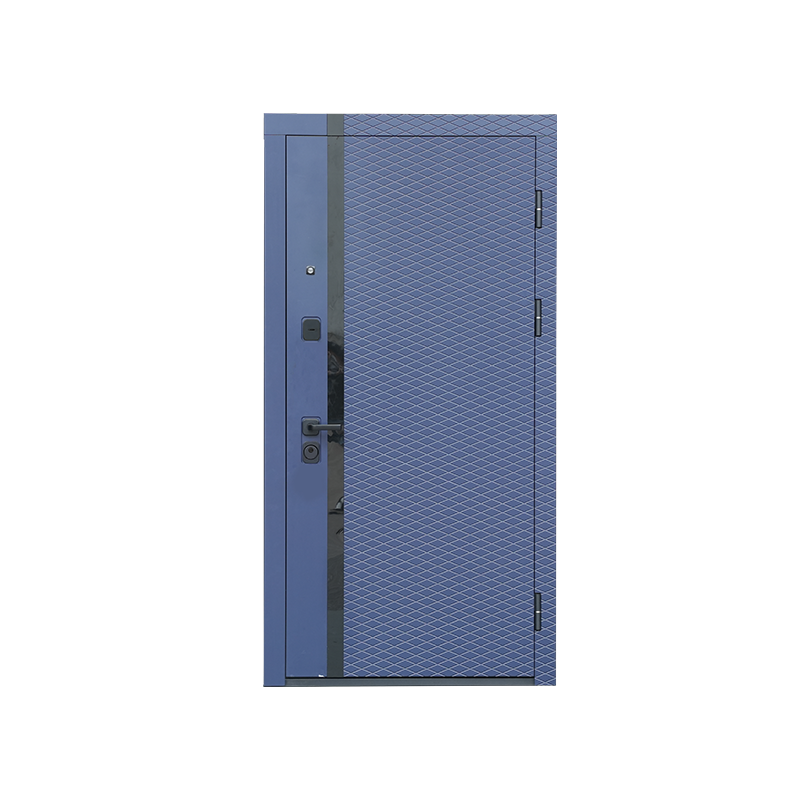
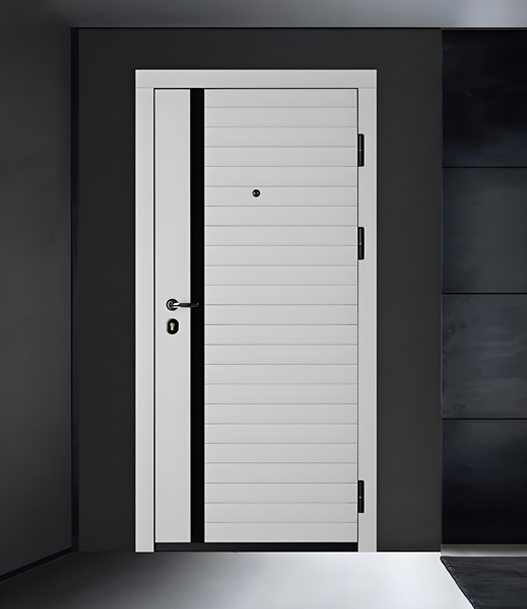
Panel design on these doors usually comes down to two approaches: flush panel construction, where the steel skin is one continuous flat surface bonded to the substrate, or raised panel designs, where the steel is stamped or embossed to mimic traditional wood panel doors. Flush designs are quicker to produce at scale since there's no stamping die involved — just cutting, bonding, and edge-finishing. Raised or embossed panel designs take longer to tool up for, but they let a manufacturer offer a product line that visually matches traditional wood door aesthetics while keeping steel's structural properties underneath.
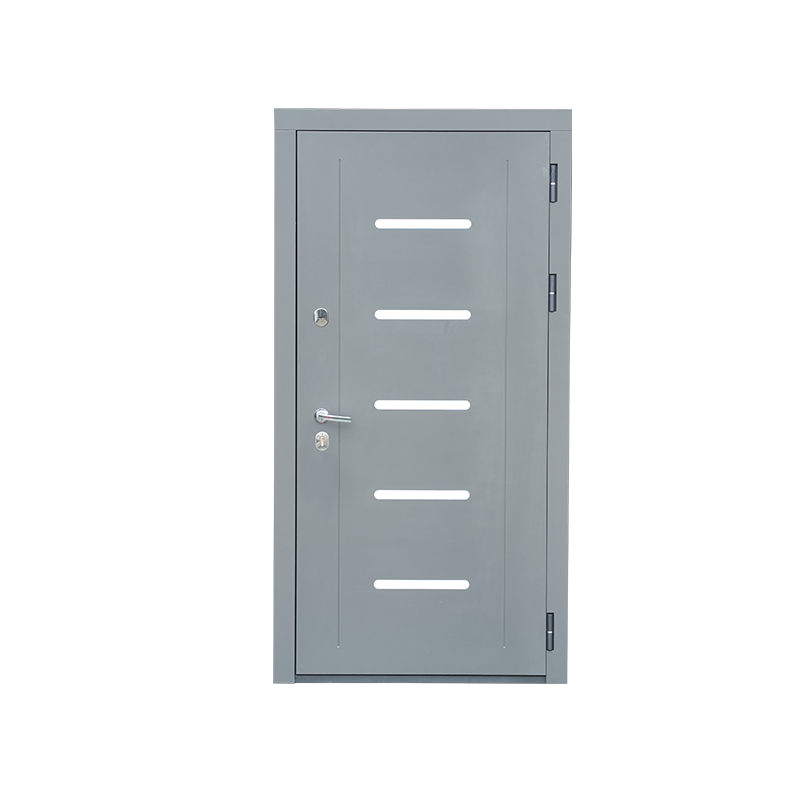
Facing material also varies by intended use. A door heading into a hotel corridor might use a wood-grain laminate finish for appearance, while one going into a stairwell or service area often skips decorative facing altogether in favor of a plain painted steel surface, since appearance matters less there than durability.
Steel Wood Door Demand Spans Several Industries
Hospitality and multi-family housing account for a good share of steel wood door orders, mainly because these buildings need doors that satisfy fire code separation requirements between units while still fitting a residential-style interior. Office buildings use them in similar ways — corridor doors that need to hold up under daily traffic but shouldn't look out of place next to reception area finishes.
Institutional buildings, like schools and hospitals, tend to lean toward the plainer, painted-steel version of this door type, prioritizing durability and ease of cleaning over decorative finish. Distributors serving multiple sectors often carry both configurations — decorative-faced and plain-faced — from the same core steel-wood construction, adjusting only the surface treatment based on which market the order is headed toward.