

 русский
 Español
 عربى
Steel Gauge and the Leaf’s Outer Skin
The security story begins with the steel sheet that forms the door leaf. A Turkey door typically uses cold-rolled steel for this outer skin, chosen for consistent thickness and a surface that accepts coating well. The gauge of that sheet is the first specification a buyer should pin down. Thicker sheet resists denting and cutting better, but it also adds weight, which stresses hinges and the frame.
Beyond the outer skin, the leaf's edge construction matters. A folded and welded edge keeps the two faces of the leaf connected rigidly, while a simple hemmed edge may allow flex under impact. Suppliers producing a Turkey door in volume typically weld the leaf perimeter and grind the seam before finishing, because an open seam invites moisture and weakens the assembly's resistance to prying.
Internal Reinforcement and Filling
The space between the leaf's two steel faces is not empty. A Turkey door commonly uses a honeycomb paper core or mineral wool filling, each with different consequences. Honeycomb paper is lighter and less expensive, suitable for interior or moderate-security applications. Mineral wool adds mass, improves sound insulation, and provides some fire resistance, which suits exterior entries where thermal and acoustic separation matter.
The reinforcement network inside the leaf deserves equal attention. Some constructions use horizontal and vertical steel ribs welded to the inner faces, creating a grid that resists bending and distributes impact loads across the leaf. A Turkey door with widely spaced or absent ribs may pass a visual inspection but flex noticeably when struck, transferring stress to the lock and hinge points.
Locking Systems and the Multi-Point Advantage
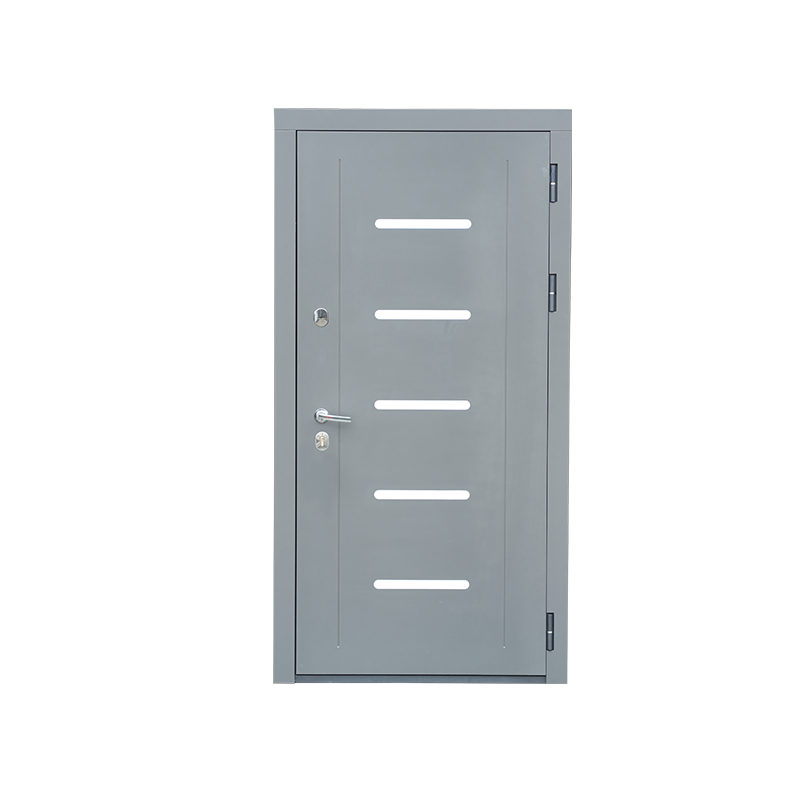
The locking system is where a Turkey door distinguishes itself from a standard steel entry door. Many models use a main lock plus side locks and up-down locking bolts, creating multiple engagement points along the frame. When the door closes, bolts extend into the frame on three or four sides, distributing forced-entry loads rather than concentrating them at a single latch.
The lock body and cylinder quality are separate variables. A multi-point mechanism with a weak cylinder still presents a vulnerability at the keyway. Buyers evaluating a supplier can ask which cylinder grade is standard and whether the lock body is sourced from an established hardware maker or produced in-house. The answer reveals how the factory balances cost against the door's core security promise.
Surface Treatment and Climate Exposure
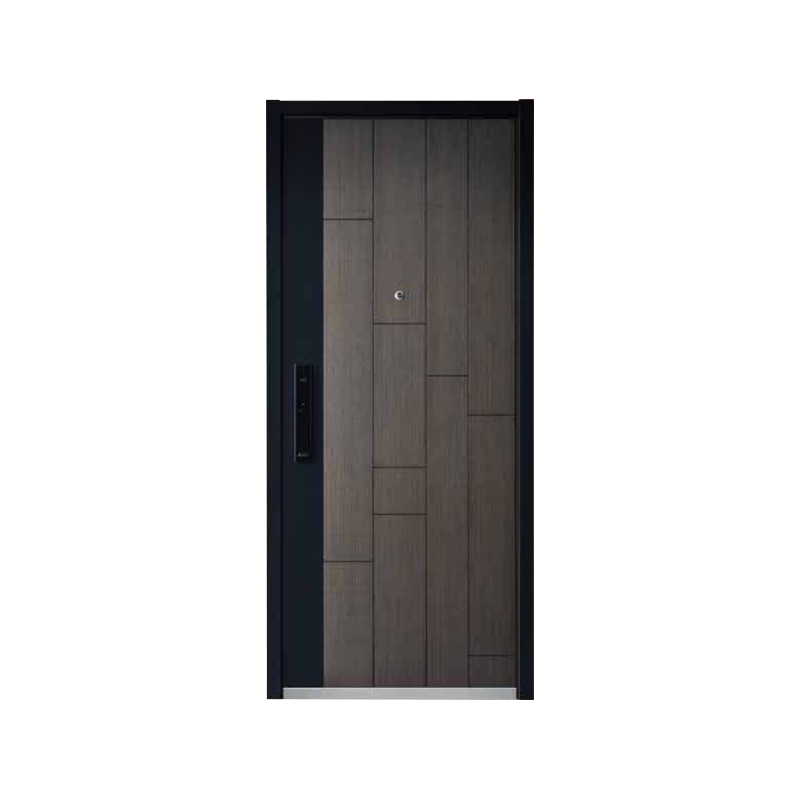
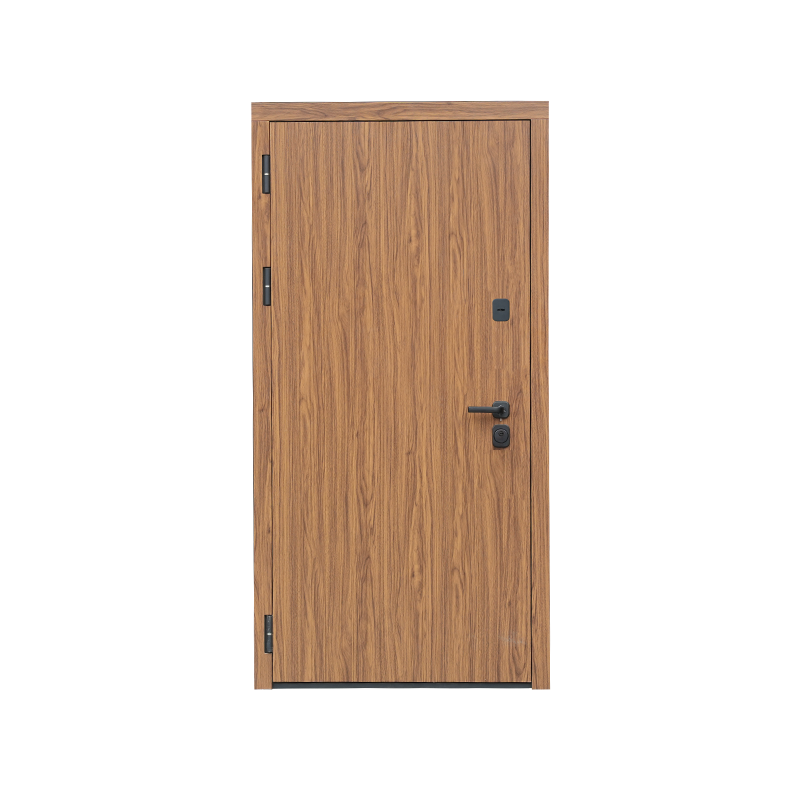
A Turkey door exported to coastal or humid markets faces corrosion pressure that a domestic installation may not. Powder coating is common, applied over a prepared steel surface, and heat transfer printing can add a wood-grain appearance while maintaining the steel substrate. The coating thickness and adhesion quality determine whether the door resists chipping at edges and scratches from handling.
Buyers should note that surface treatment is not purely cosmetic on a security door. Coating failure exposes bare steel, which rusts and weakens the leaf over time. A factory that controls pre-treatment—degreasing and conversion coating before powder application—produces a finish that holds up through shipping and installation.