

 русский
 Español
 عربى
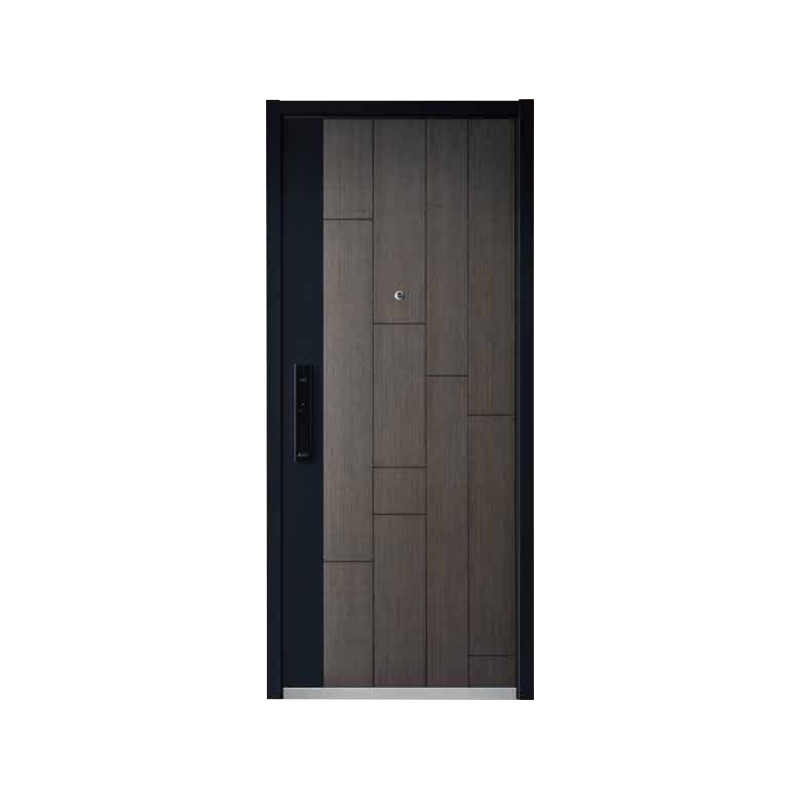
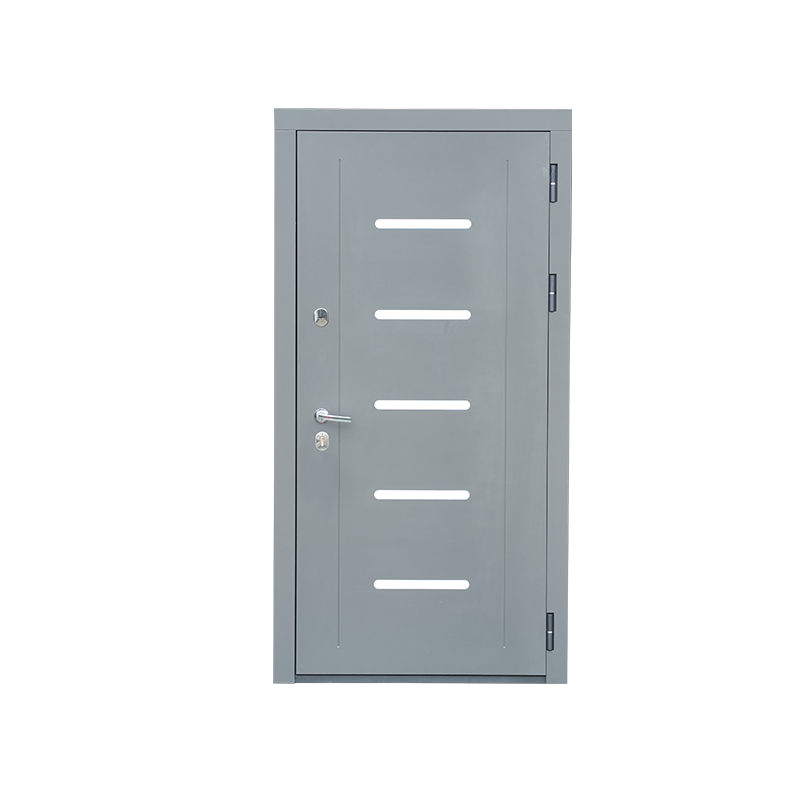
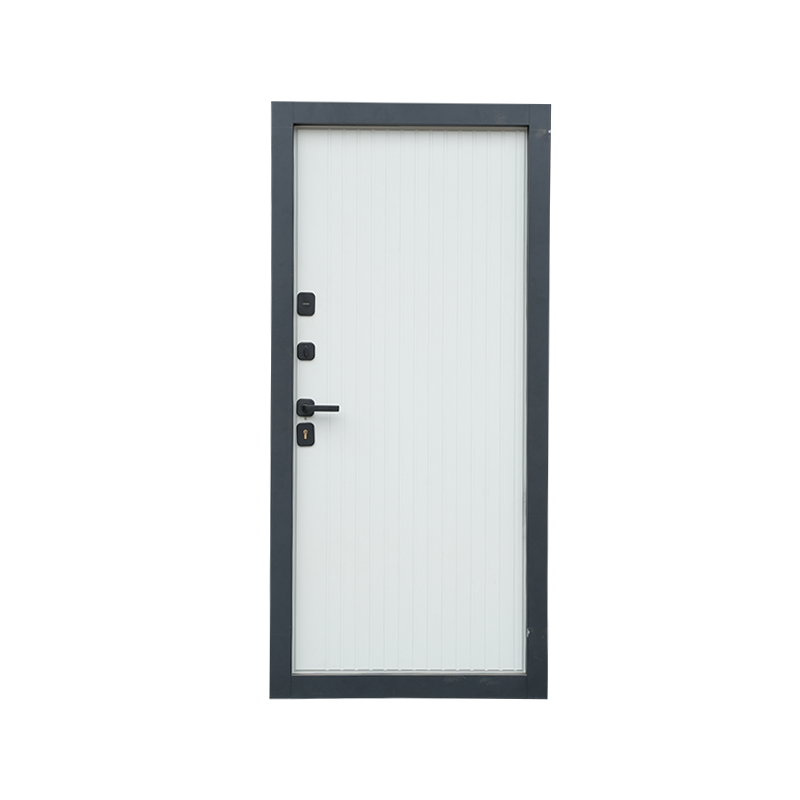
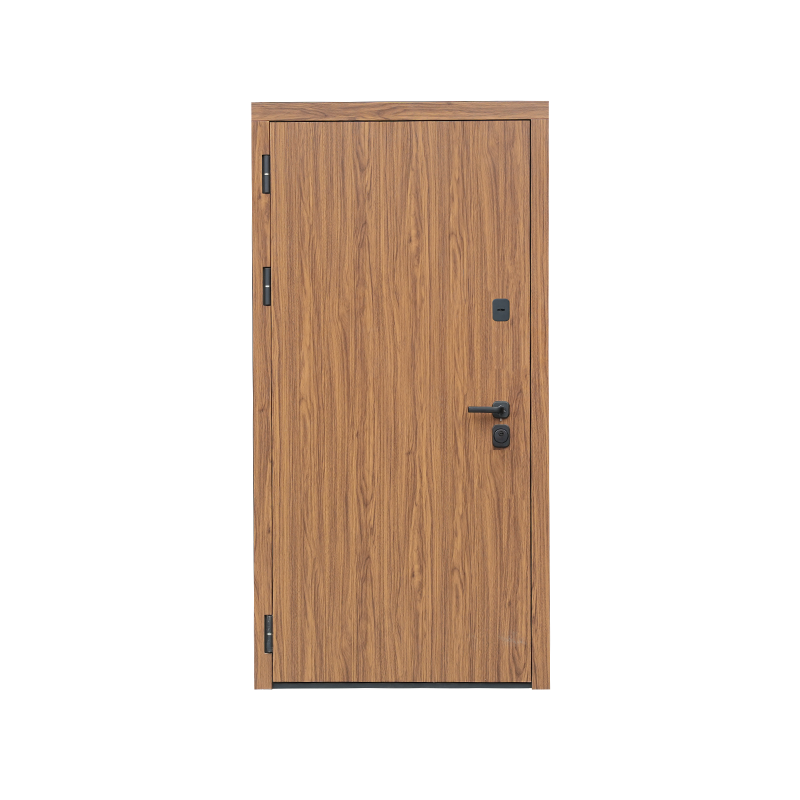
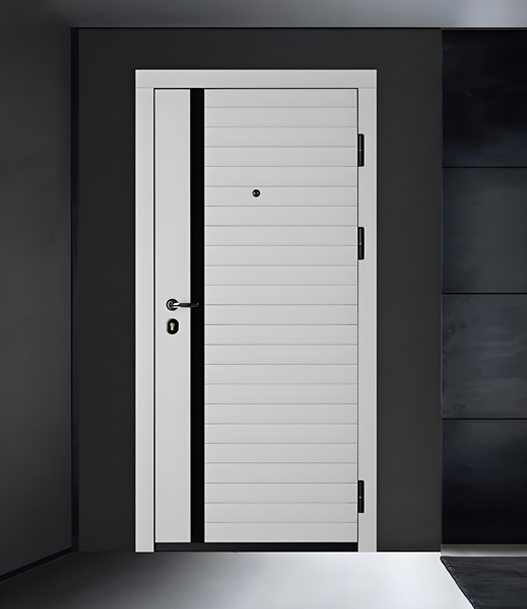
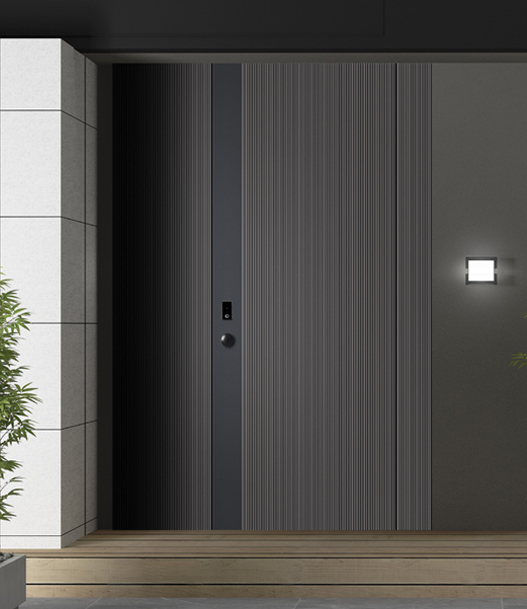
عربىSmart Entrance Door units combine structural frames with electronic access controls for commercial and institutional buildings. Factories assemble these systems by integrating metal or composite panels with motors, sensors, and locking mechanisms. Production focuses on precise fitting of mechanical and electronic parts that support reliable opening and closing cycles. Teams coordinate material flow and component matching to maintain steady output for project orders.
Materials Selected for Smart Entrance Door
Steel and aluminum profiles form the main frame of a Smart Entrance Door because they provide strength and dimensional stability. Glass panels or solid inserts fill the frame sections according to visibility and privacy needs. Sealing strips around the edges reduce air gaps and improve the fit when the door closes. Surface finishes such as powder coating or anodizing protect the metal from regular wear.
Electronic components include motors that drive the opening action and sensors that detect movement or credentials. Wiring harnesses connect these parts to a central control unit mounted within the frame or nearby wall. Suppliers deliver frames and electronics in matched sets so assembly stations can complete units without delays. This material pairing supports consistent performance across different door sizes and configurations.
Assembly Steps for Smart Entrance Door
Frame fabrication begins with cutting and welding or joining the metal profiles to the required dimensions. Workers install hinges or sliding tracks that allow the door leaf to move smoothly. Glass or panel inserts fit into the prepared openings and receive securing clips or gaskets. Motor and sensor mounting follows, with careful alignment so the drive system engages the door leaf correctly.
Control modules and wiring connect next, linking the sensors to the motor and power supply. Final stations test the opening and closing sequence under load to confirm smooth operation. Protective packaging prepares each Smart Entrance Door for transport to construction sites or distribution centers. These sequential steps keep production organized and reduce handling between stations.
Design Features in Smart Entrance Door Systems
Access methods define much of the practical difference among Smart Entrance Door models. Card readers, keypad panels, or biometric scanners mount near the frame to authorize entry. Sliding or swinging configurations adjust to the available space and traffic patterns of the building entrance. Safety edges and obstruction sensors stop the door movement when an object is detected in the path.
Control interfaces allow adjustment of opening speed and hold-open time to match site conditions. Some designs include battery backup modules that keep basic functions active during power interruptions. These features adjust through changes in component selection and programming rather than major redesigns. The resulting range covers standard commercial entrances as well as higher-traffic institutional applications.
Role of Smart Entrance Door in Project Supply
Building contractors and facility managers specify Smart Entrance Door units for new construction and renovation projects. Consistent dimensions and mounting patterns simplify installation on site. Bulk deliveries arrive with frames, electronics, and hardware organized for sequential assembly. Clear documentation of wiring diagrams and control settings supports coordination with electrical and access-control teams.
Distributors stock common sizes and configurations so project schedules stay on track. The stable interface between mechanical and electronic parts reduces variation between shipments. This alignment helps maintain inventory levels that match the pace of multiple building sites without excess storage needs.