

 русский
 Español
 عربى
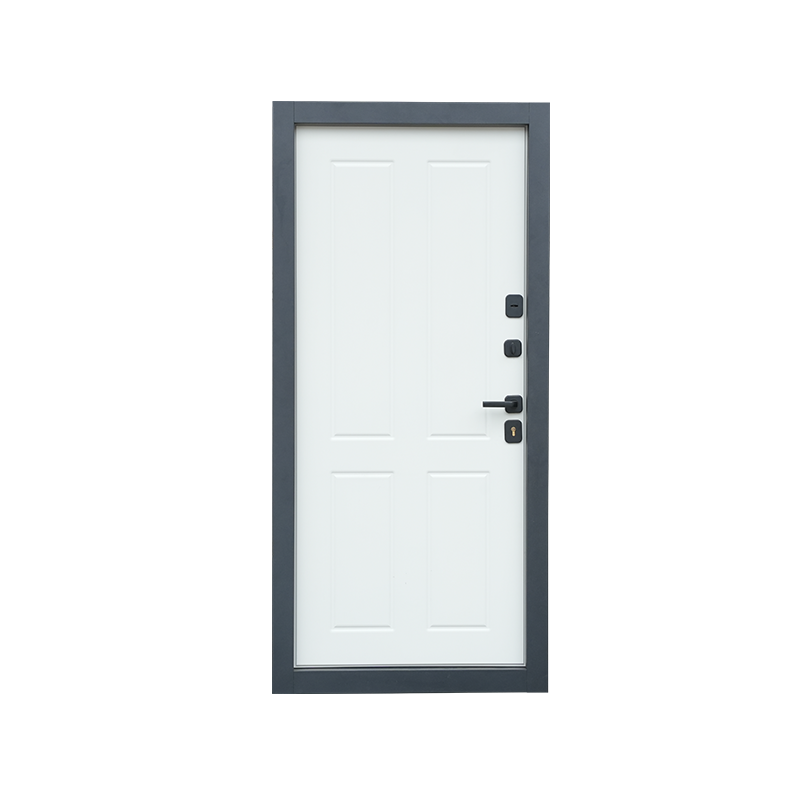
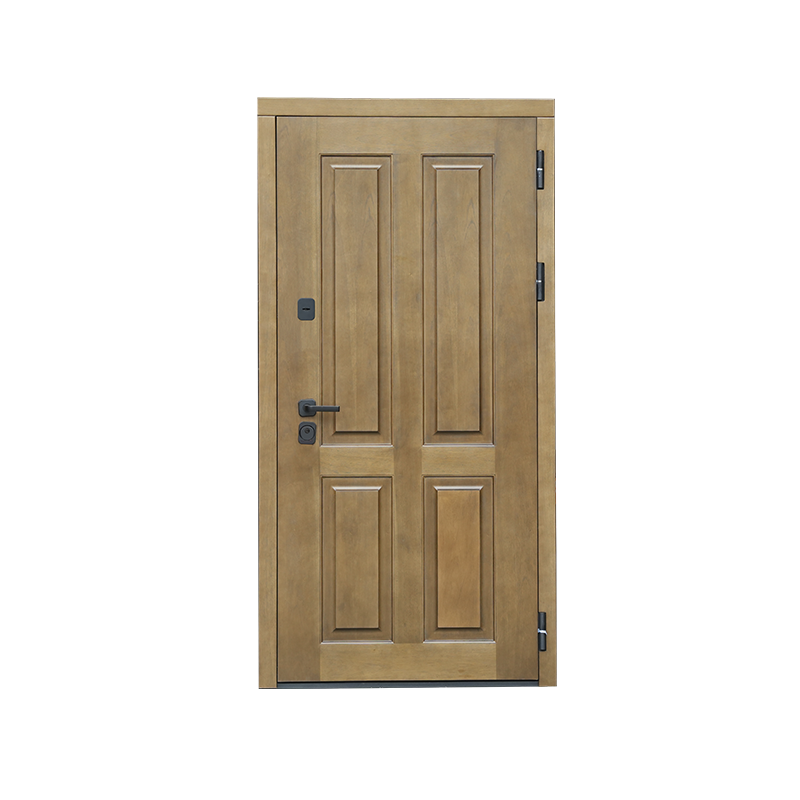
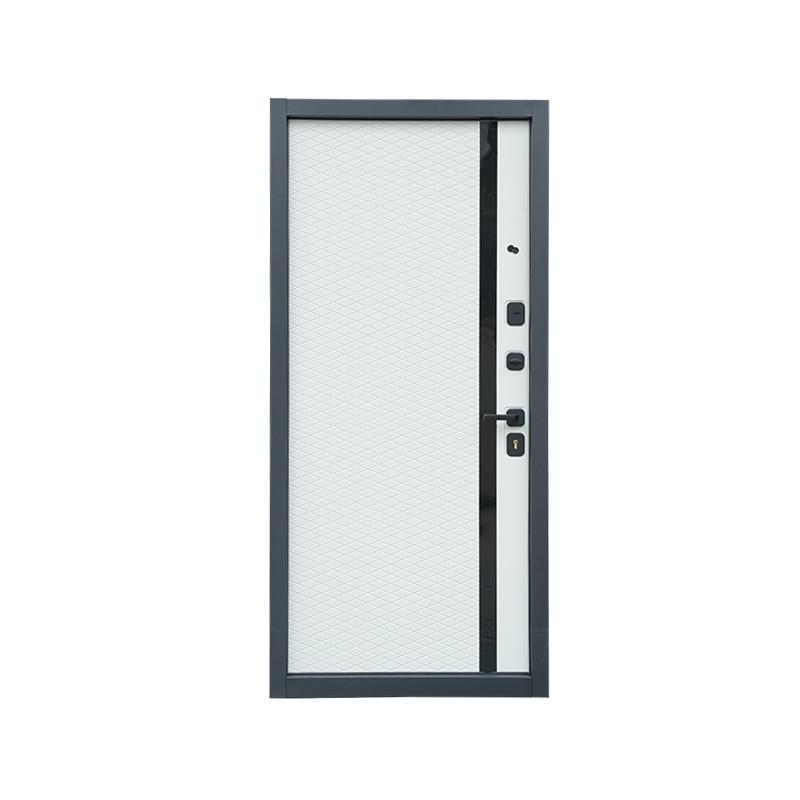
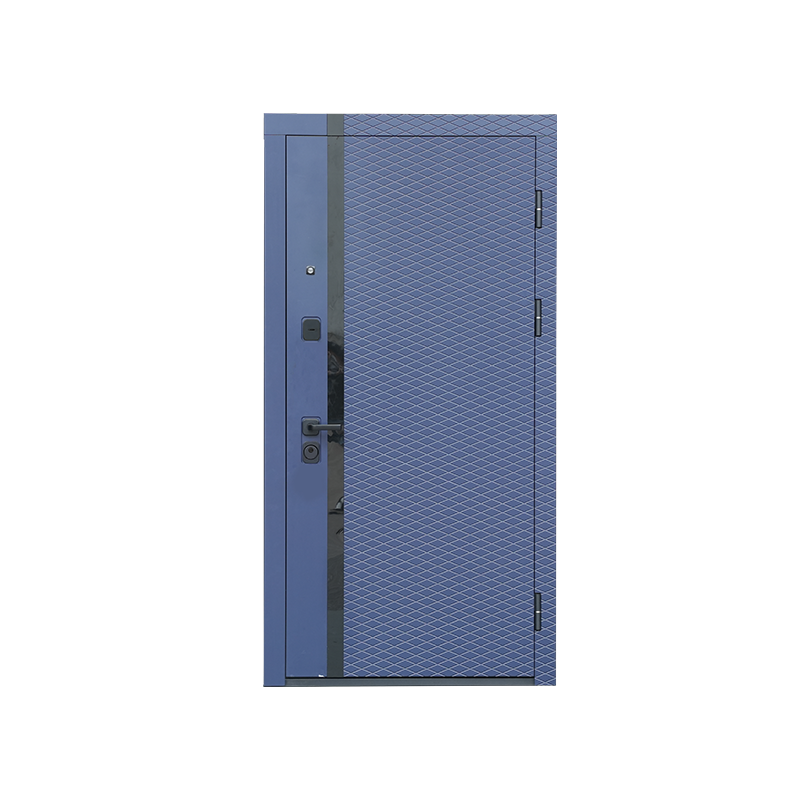
عربىAn armored door differs from a standard door in nearly every structural respect, built from layered materials chosen specifically for resistance against forced entry rather than aesthetics alone. Manufacturers producing these doors work with steel, composite panels, and reinforced cores, assembling each layer with a specific mechanical purpose in mind rather than treating the door as a single uniform slab.
Inside The Manufacturing Of Armored Door Systems
Production of an armored door generally begins with the frame, formed from steel sections welded or bolted into a rigid rectangular structure. This frame anchors the entire assembly and needs to withstand pressure applied at hinges and locking points without flexing. Manufacturers pay close attention to weld quality here, since a compromised frame joint can undermine the strength of every other layer added afterward.
Once the frame is set, production moves to layering the door slab itself. This typically involves sandwiching a core material between outer steel sheets, with the core selected based on the balance a manufacturer wants between weight and impact resistance. A few common construction steps appear across production lines:
- Cutting and shaping outer steel panels to precise frame dimensions
- Inserting core material and bonding it under controlled pressure
- Welding or riveting reinforcement points around hinges and locks
Each step builds toward a finished armored door capable of handling the mechanical stress it will face during regular use.
Armored Door Types Vary By Application
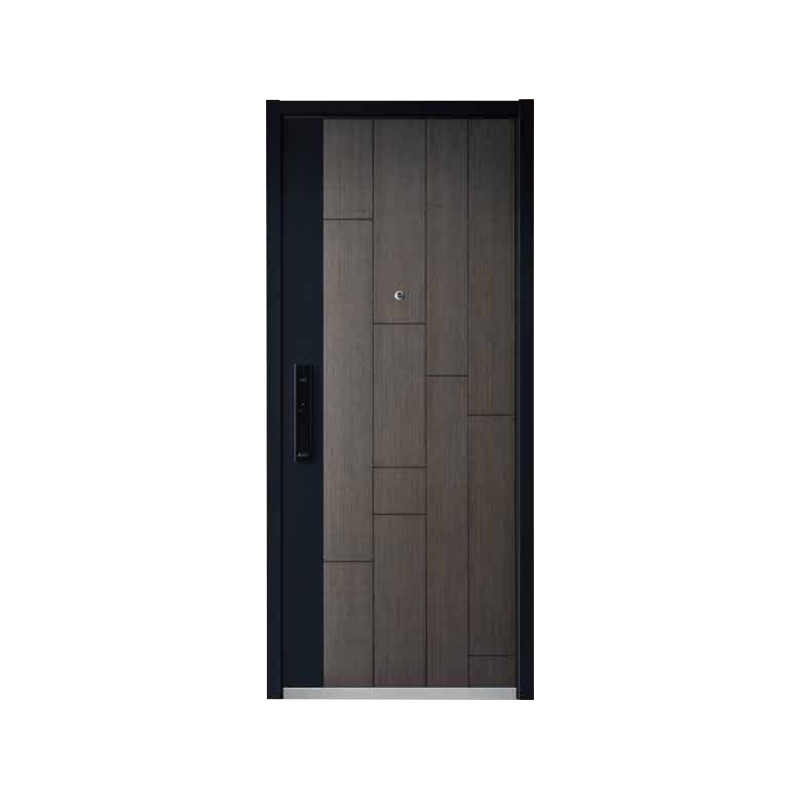
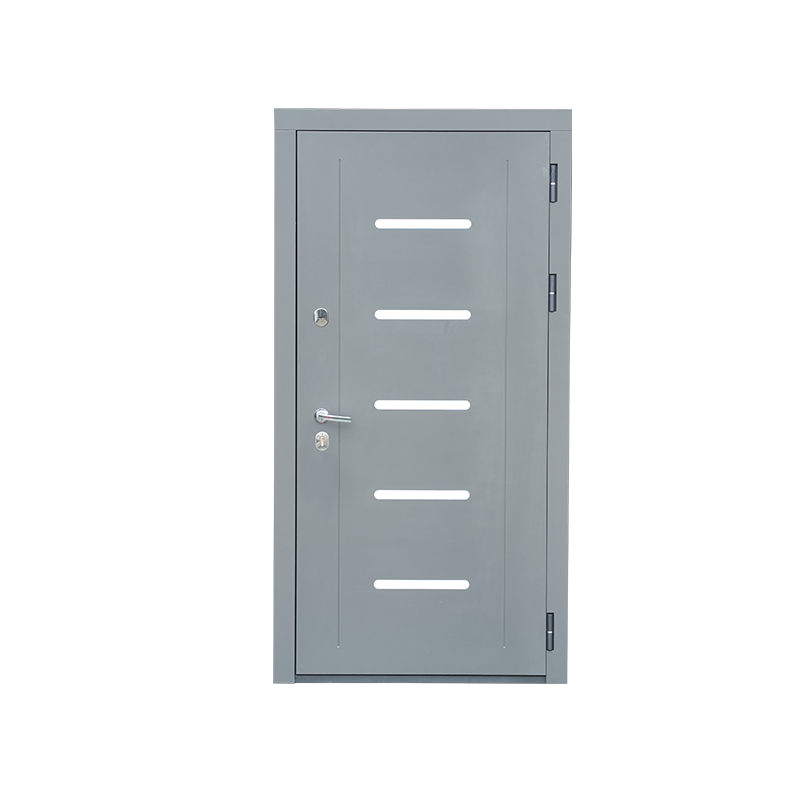
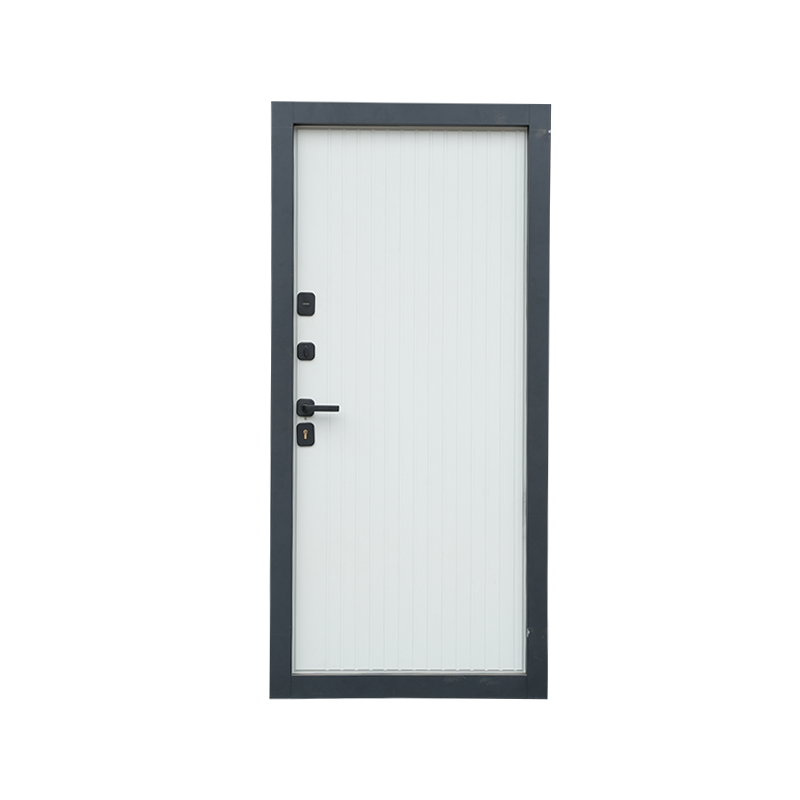
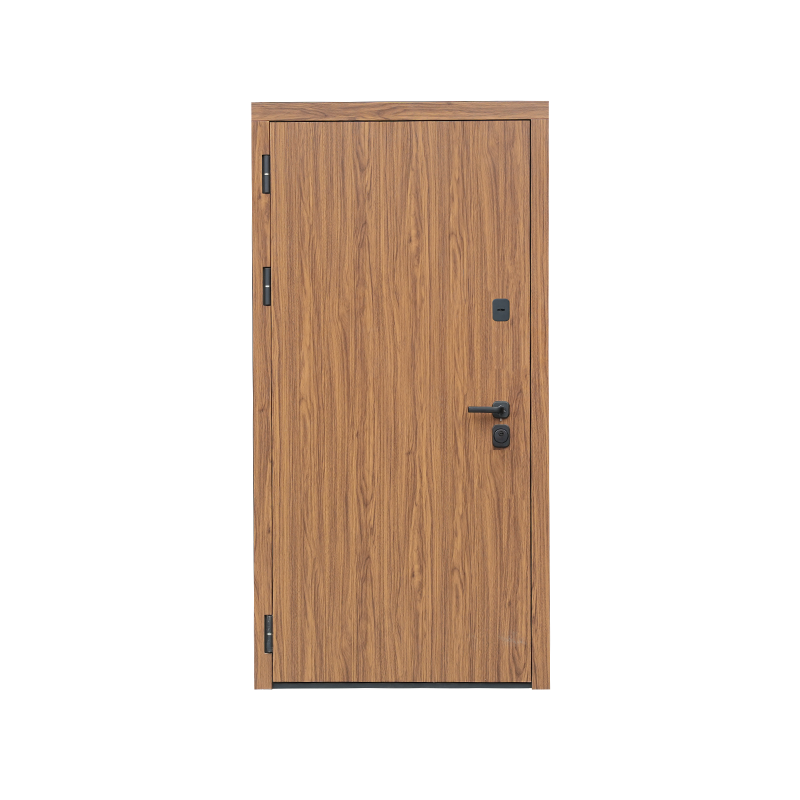
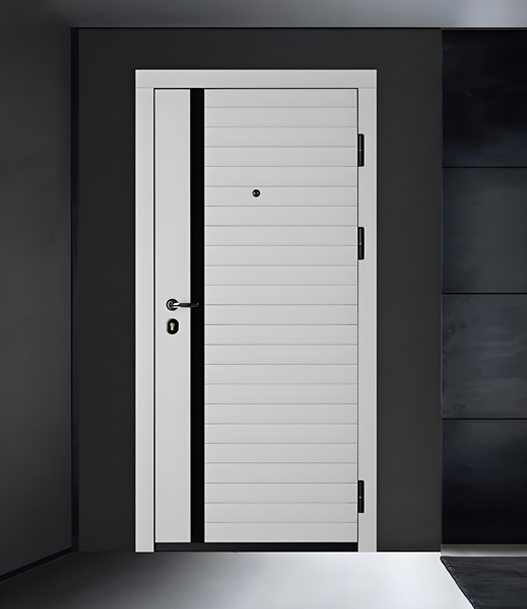
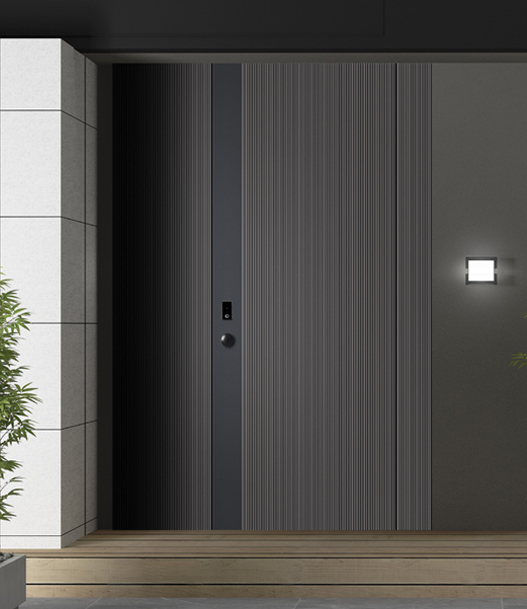
Not every armored door serves the same purpose, and manufacturers adjust construction details based on where the door will be installed. Residential versions often prioritize a balance between security and manageable weight, since homeowners still need to operate the door easily on a daily basis. These doors typically pair steel construction with decorative outer finishes to blend security with a more conventional entryway appearance.
Commercial and institutional armored doors, by contrast, often prioritize thicker steel gauges and reinforced locking mechanisms over aesthetic finishing. Facilities like data centers, vaults, or secured storage areas may require doors built with additional internal bracing, since these environments prioritize resistance to sustained force over the visual presentation expected in a residential setting.
Understanding Core Materials In Armored Door Production
The core sandwiched between outer steel layers plays a significant role in how an armored door performs under stress. Honeycomb structures, made from layered paperboard or aluminum, offer a lightweight option that still adds rigidity to the overall assembly. Solid steel cores, while considerably heavier, provide additional mass that can help absorb impact across the door's surface.
Some manufacturers incorporate mineral-based fireproofing materials into the core alongside structural components, particularly for doors intended for commercial installations where fire resistance factors into building requirements. Balancing these core materials against overall door weight remains an ongoing consideration during production, since a heavier door demands stronger hinges and frame anchoring to function properly over time.
Armored Door Systems Suit Diverse Security Needs
Buyers sourcing armored door systems typically specify requirements based on the installation environment, whether that's a single residential entry point or a network of secured doors across a commercial facility. Manufacturers accommodate this variation by offering configurable options for panel thickness, locking hardware, and frame dimensions without altering the core production process.
This flexibility allows a single manufacturing operation to serve residential buyers seeking standard security upgrades alongside commercial clients requiring heavier-duty installations. Consistent quality control across these varied configurations depends on standardized welding procedures and material sourcing, helping manufacturers fulfill diverse orders while maintaining the structural reliability expected from an armored door regardless of its final application.