

 русский
 Español
 عربى
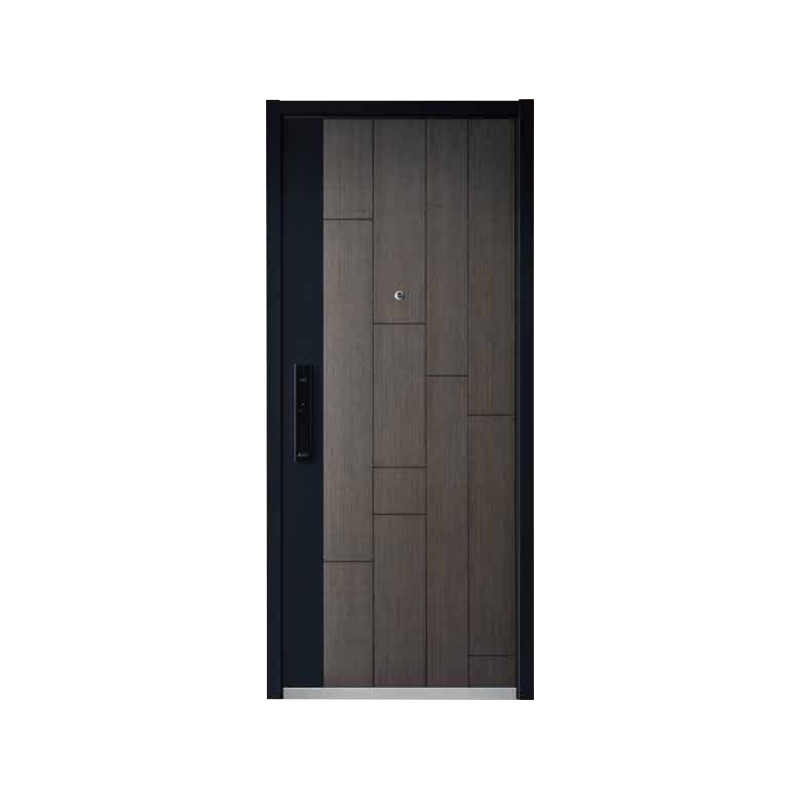
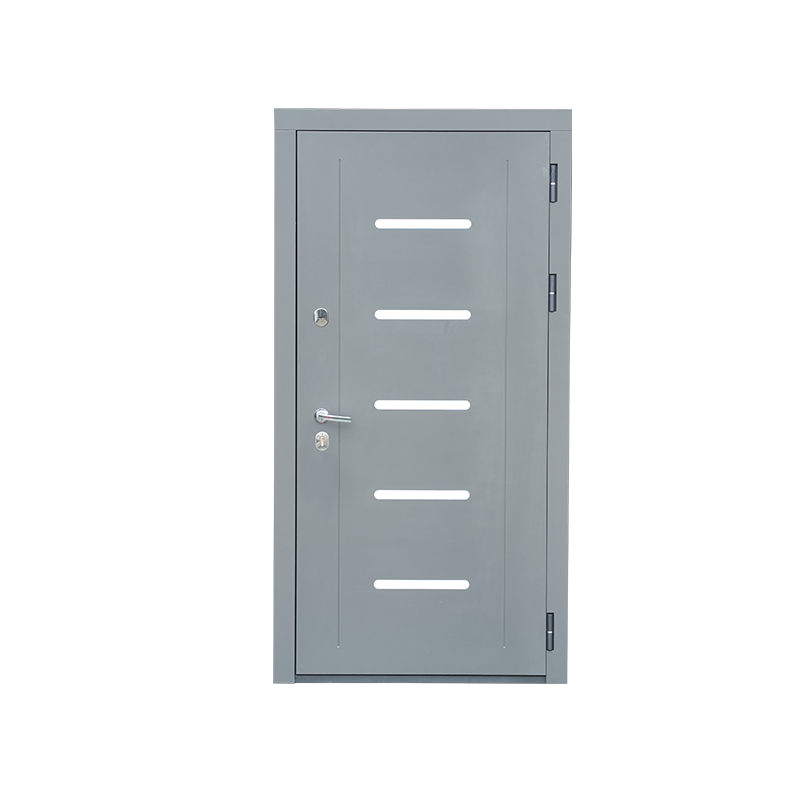
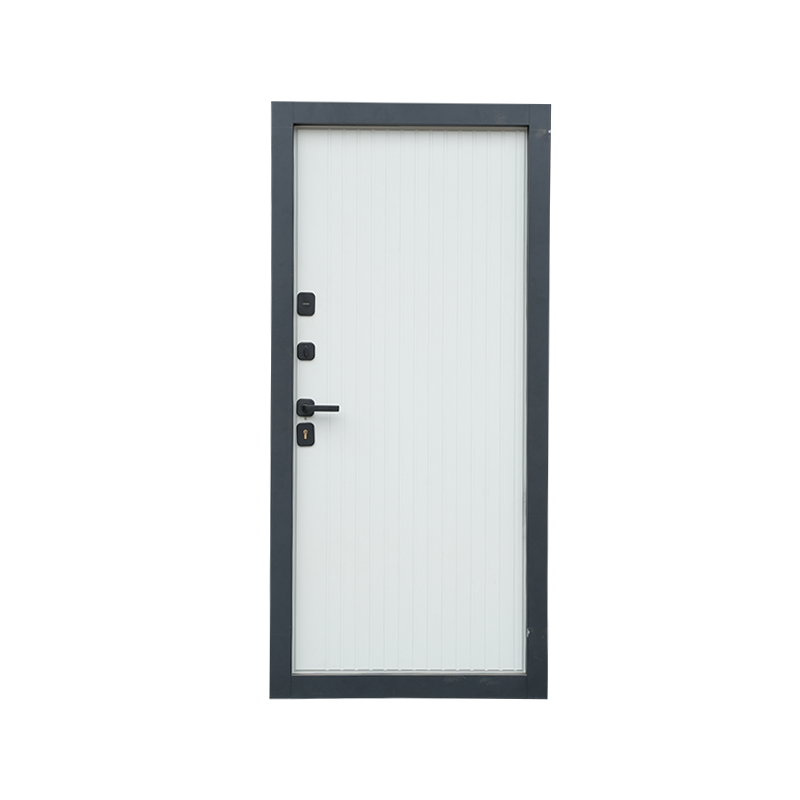
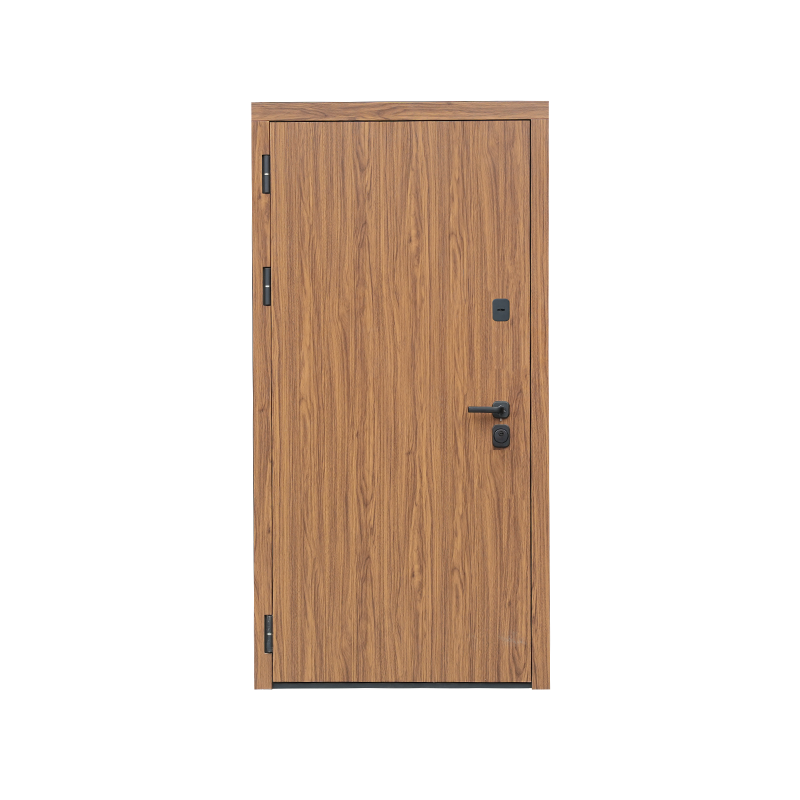
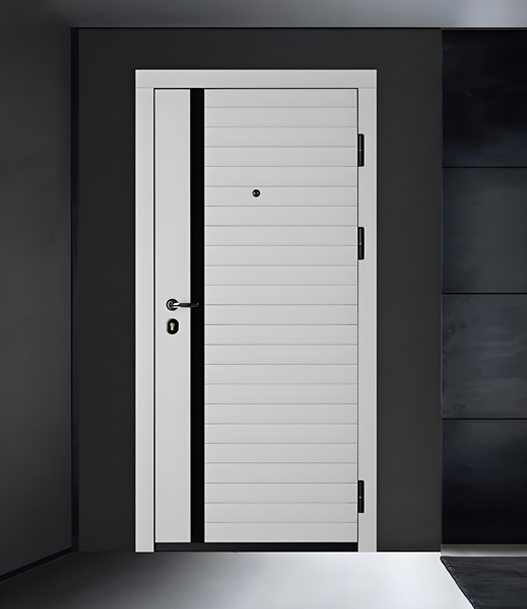
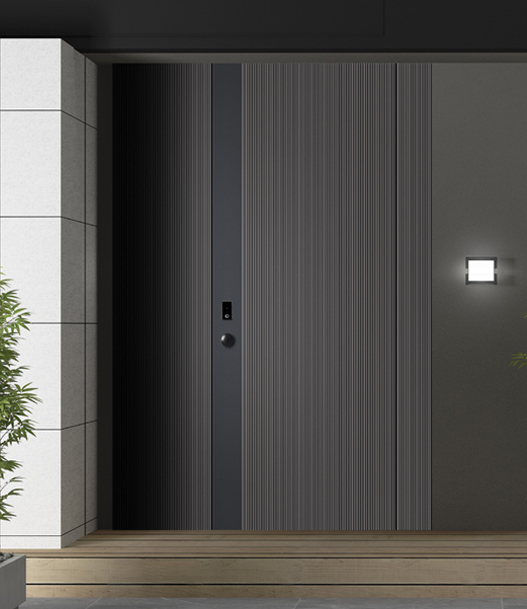
عربىDoors are no longer treated as simple openings between two spaces. Their material, surface, structure, color, and hardware can all influence the character of a building. A Metal Door offers a combination of a rigid outer structure and flexible design possibilities, making it suitable for many commercial, industrial, residential, and utility spaces.
What Makes The Door Structure Different?
A Metal Door generally consists of several connected components rather than one solid piece of metal. The outer panels create the visible door surface, while internal reinforcement helps maintain the shape of the door.
The frame around the door leaf also plays an important role. It provides a connection between the door and the surrounding wall, while hinges allow the door leaf to move between open and closed positions.
The internal structure can vary from one product to another. Some designs use reinforcement sections inside the leaf, while others combine metal panels around an internal core. This construction approach allows manufacturers to balance weight, rigidity, appearance, and intended use.
How Does The Door Core Affect Design?
The material inside a Metal Door can influence how the finished door feels and performs. Different core materials can provide different levels of rigidity, weight, sound reduction, or thermal separation.
A hollow structure creates a different door profile from a filled core. Honeycomb structures, mineral-based cores, foam materials, and other internal constructions can also be used according to the product design.
The choice is not only a technical decision. Door weight affects hardware selection, installation arrangements, and the way the door moves. Manufacturers therefore need to consider the entire door assembly instead of looking only at the external metal sheet.
Where Can Metal Doors Be Used?
A Metal Door can appear in commercial buildings, factories, warehouses, offices, apartment buildings, workshops, utility rooms, schools, and other structures.
The door configuration can change according to the space. A single-leaf door may suit a standard entrance, while a double-leaf design can provide a wider opening for larger equipment or material movement.
There are also doors designed for interior partitions, service areas, storage spaces, and technical rooms. This broad range of applications means the same basic metal construction can be adapted into different door formats.
Why Does Door Size Matter?
Door dimensions influence more than the visual proportion of an entrance. Width, height, frame depth, and wall opening dimensions all affect how the door fits into a building.
A Metal Door can be produced in different dimensions depending on the project. Manufacturers may also adjust the position of hinges, handles, locks, vision panels, louvers, or other components.
For larger openings, the Metal Door design may require additional internal reinforcement. Smaller doors can use a more compact structure. Matching the door dimensions to the surrounding opening therefore becomes an important part of the design process.
How Do Hardware Choices Change The Door?
Hardware gives a door its practical operation. Hinges control movement, handles provide a point for opening, and locks control access between spaces.
Different projects may call for different hardware arrangements. A basic interior door can use a simple handle and latch, whereas a commercial or industrial entrance may require a different combination.
The relationship between hardware and the Metal Door structure also matters. Hinge positions, reinforcement plates, handle locations, and lock preparation need to match the construction of the door leaf and frame.