

 русский
 Español
 عربى
عربىSteel Wood Door Gains Attention
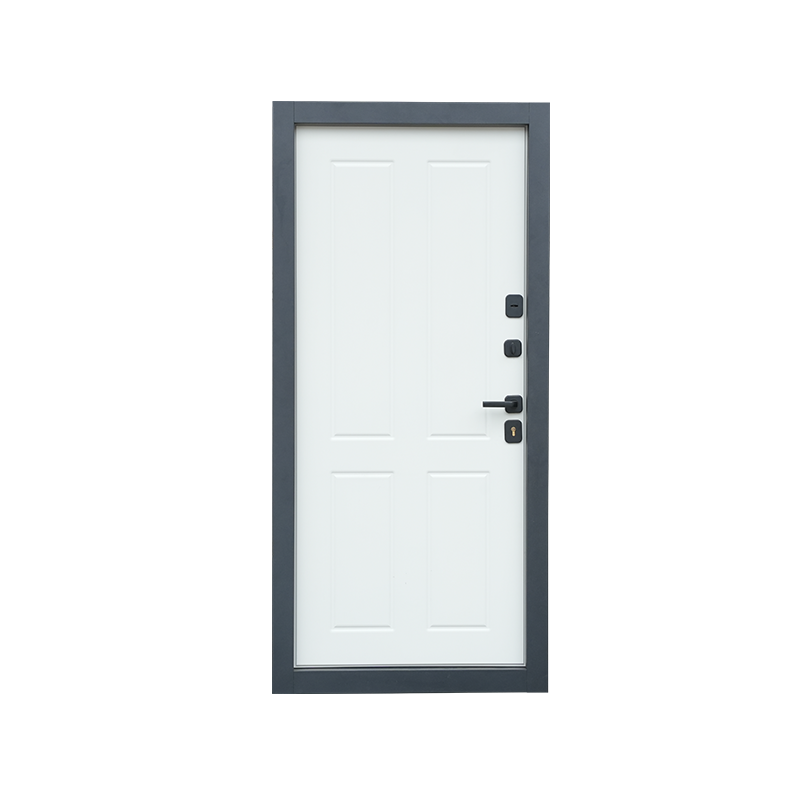
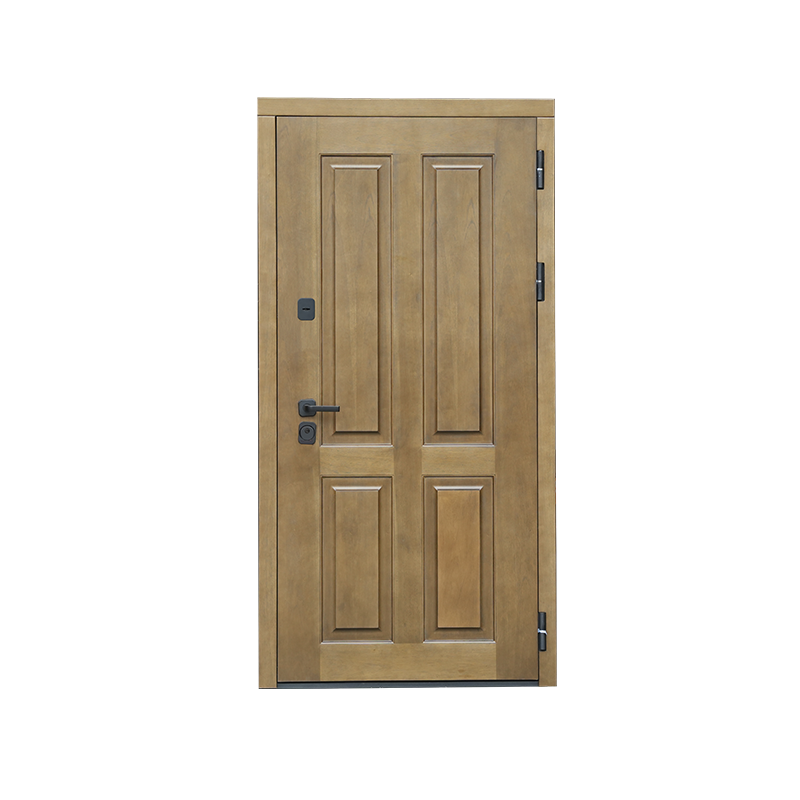
Door design is becoming an interesting part of residential, commercial, and hospitality spaces. A Steel Wood Door brings together a steel structural element and a wood-based surface, creating a door that balances a solid construction concept with a warmer visual appearance.
Compared with doors made from a single material, this combination gives manufacturers more flexibility when developing different door styles. The steel component can contribute to structural stability, while the wood surface introduces grain patterns, colors, and textures that can fit various interior themes.
This combination has made Steel Wood Door products suitable for projects where appearance and functional construction need to work together.
How Steel And Wood Work Together
The basic idea behind a Steel Wood Door is relatively straightforward. A steel structure forms part of the internal construction, while wood or wood-based materials are used for the visible surfaces and decorative elements.
Steel can provide a firm framework for the door assembly. Wood surfaces can then change the visual character of the finished product. Depending on the design, manufacturers may use natural wood, engineered wood, veneer, or other wood-based finishes.
The result can range from a simple flat-panel door to a more decorative design featuring grooves, raised sections, glass inserts, or geometric patterns.
Design Options Expand Across Applications
One reason Steel Wood Door designs attract attention is the number of available style combinations. Door manufacturers can adjust surface textures, panel arrangements, colors, hardware positions, and decorative details according to project requirements.
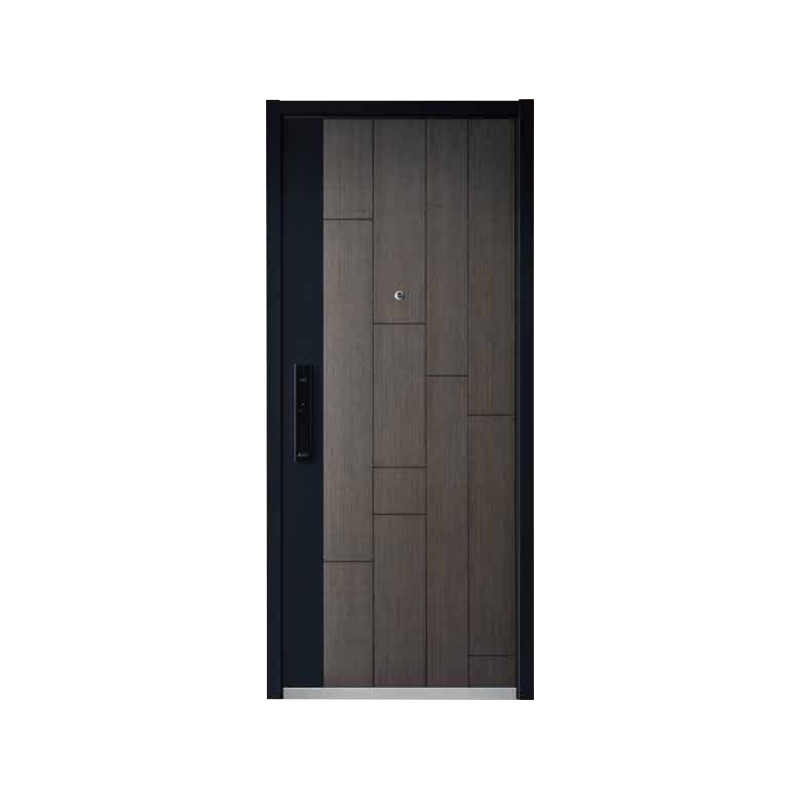
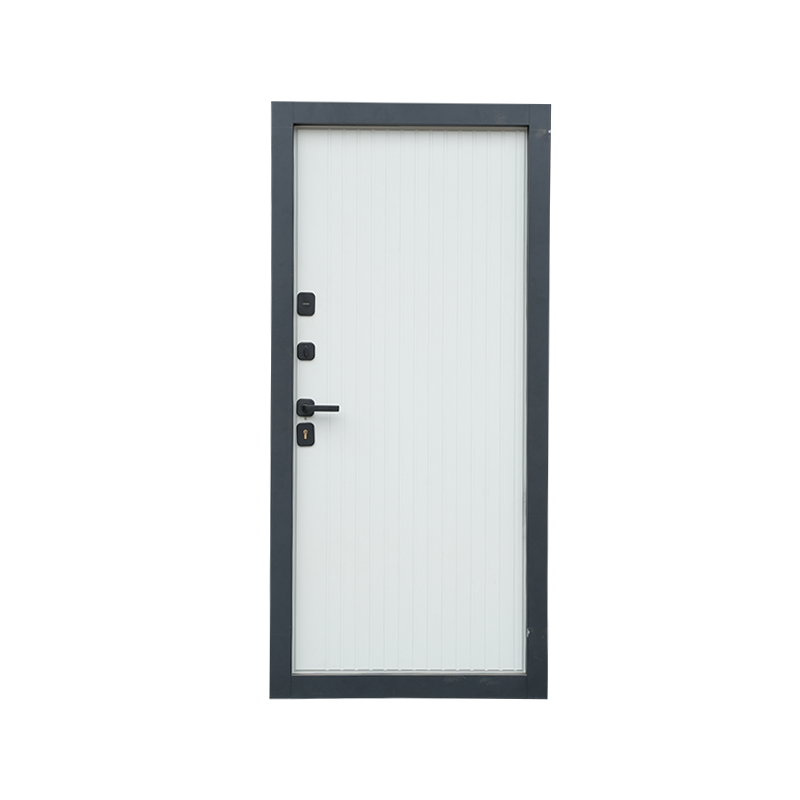
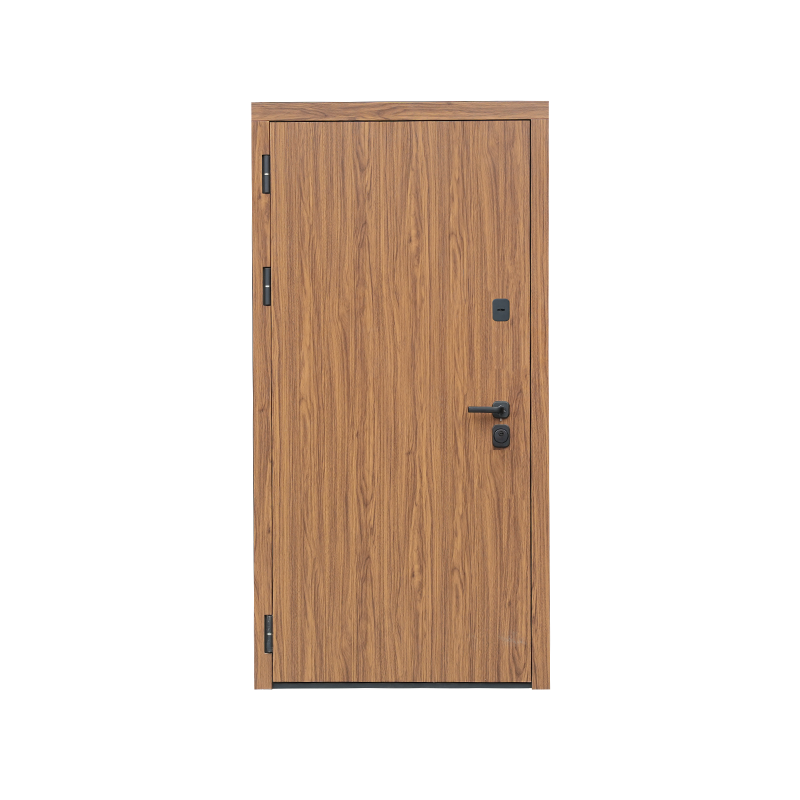
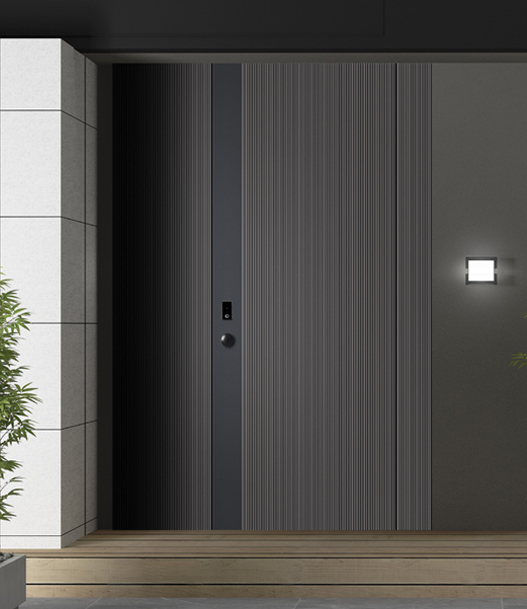
A smooth wood finish can suit a modern interior, while visible grain patterns can create a warmer atmosphere. Dark finishes may work well in commercial entrances, while lighter wood tones can complement residential spaces.
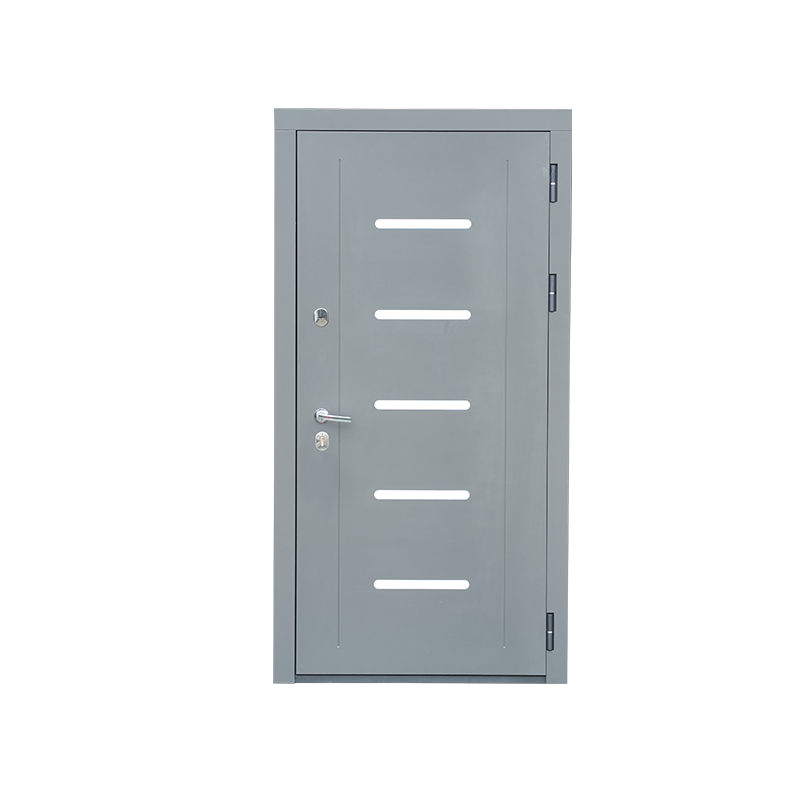
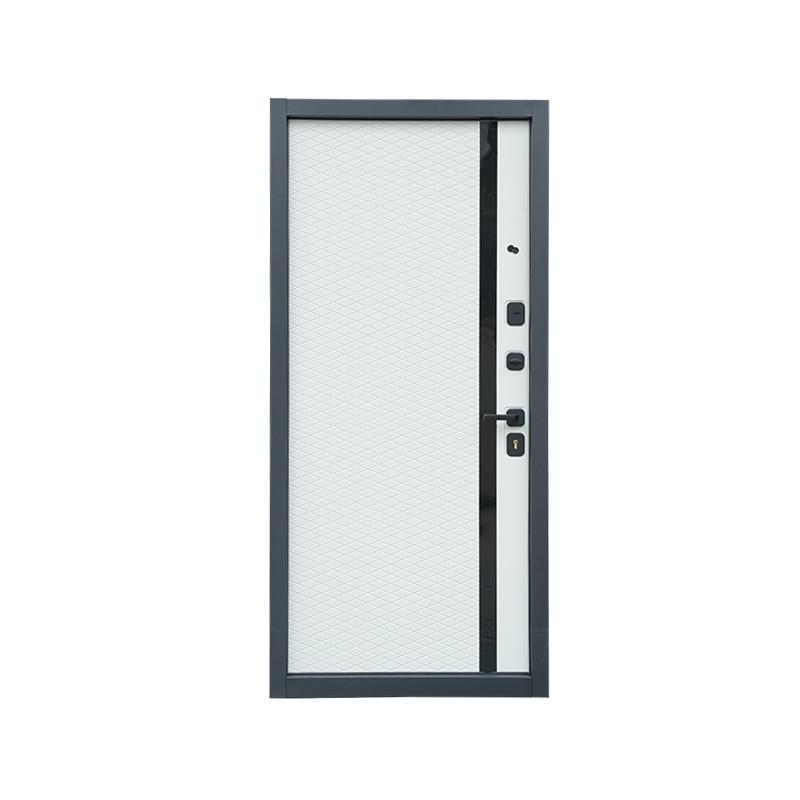
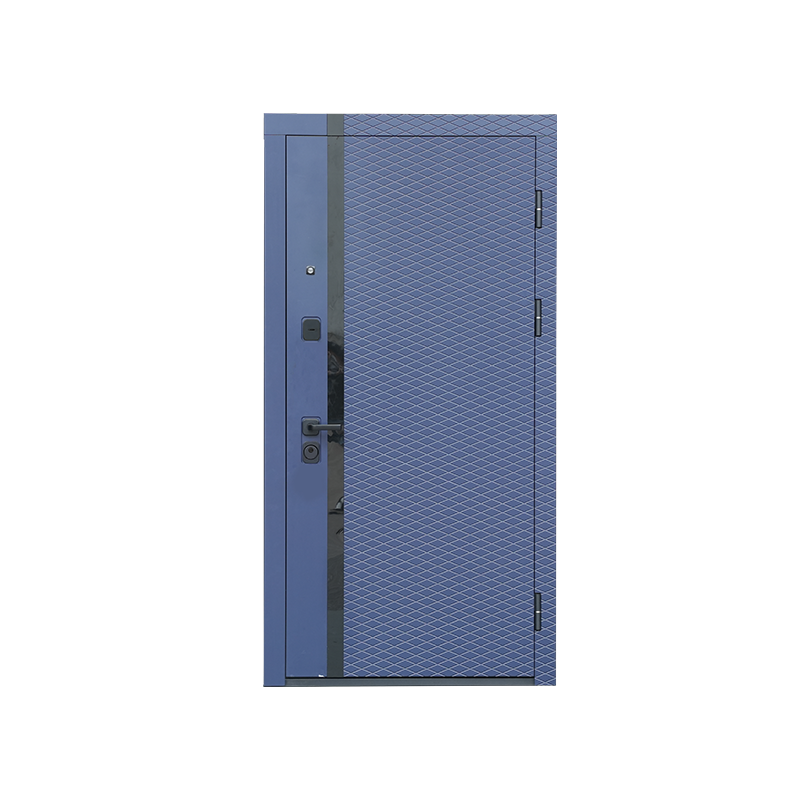
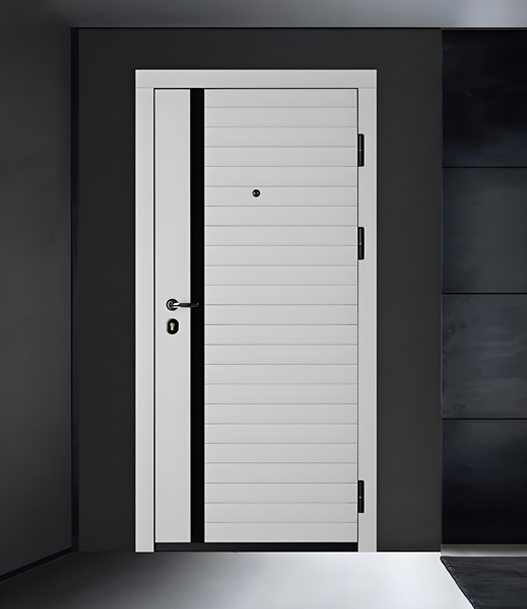
Some designs also combine wood surfaces with metal strips or glass sections. These details can give the door a more contemporary appearance without changing its basic steel-and-wood construction.
Door Construction Influences Performance
The internal construction of a Steel Wood Door affects how the finished door behaves during daily use. Factors such as steel thickness, frame structure, wood panel composition, core material, and connection methods can influence the overall result.
The weight of the door is another consideration. A heavier structure may require suitable hinges, frames, and hardware to support repeated opening and closing.
Manufacturers therefore need to consider the relationship between the door leaf, frame, hinges, locks, and other components rather than treating the door panel as an independent product.
Where Are Steel Wood Doors Used?
Steel Wood Door products can be found in a variety of building areas. Residential entrances, hotel rooms, office spaces, apartments, interior corridors, and commercial buildings can all use different versions of this door style.
For interior applications, the wood surface can help connect the door with furniture, wall panels, flooring, or other decorative elements. In entrance areas, the combination of steel construction and wood appearance can create a more substantial visual impression.
Different projects may also require different door dimensions. Standard sizes can simplify production, while customized dimensions allow manufacturers to respond to specific architectural layouts.
Hardware Is Part Of The Design
A door is not simply a panel placed inside a frame. Hinges, handles, locks, closers, vision panels, and other hardware all influence the final product.
For a Steel Wood Door, hardware selection needs to correspond to the door's weight, thickness, opening direction, and intended application. Handle shapes and finishes can also affect the overall appearance.
Minimalist handles may complement modern doors, while decorative hardware can work with traditional wood finishes. Matching these components can create a more coordinated appearance.