

 русский
 Español
 عربى
عربىWhy These Doors Are So Much Heavier
Pick up a standard interior door and a Russian door in the same size category, and the weight difference is obvious immediately. Steel-faced construction with dense mineral wool or polyurethane foam insulation packed between the panels is fairly standard, and that core is what actually does the work of blocking cold air rather than just looking solid. Door thickness on these models often runs noticeably deeper than what's typical for residential doors sold in warmer regions, since a thin door simply can't hold enough insulating material to matter.
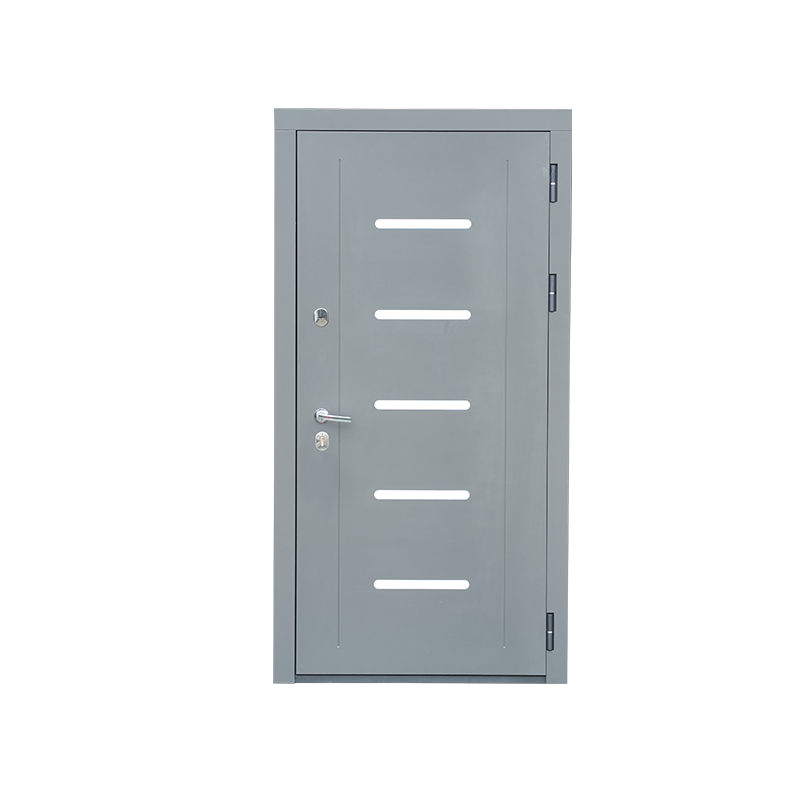
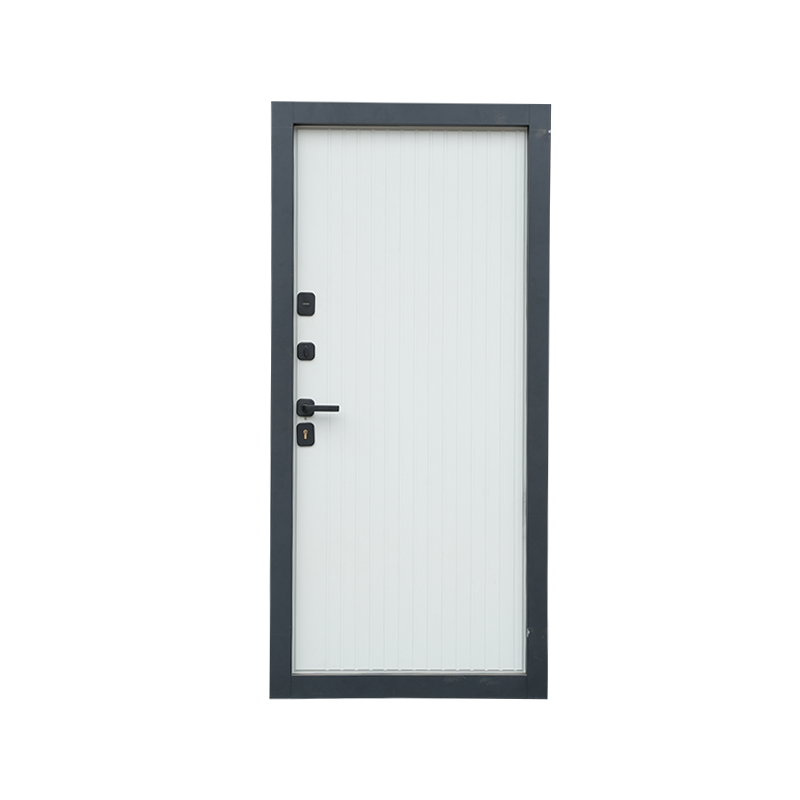
The frame matters just as much as the door slab itself. A Russian door usually pairs with a reinforced steel frame and multiple sealing gaskets rather than a single strip of weatherstripping, since one seal alone won't stop drafts when wind pressure builds against a door during a winter storm. Multi-point locking systems are common too, partly for security and partly because a door held tight at several points along the frame resists warping and air leakage better than one locked only at the handle.
Steel, Not Just Style
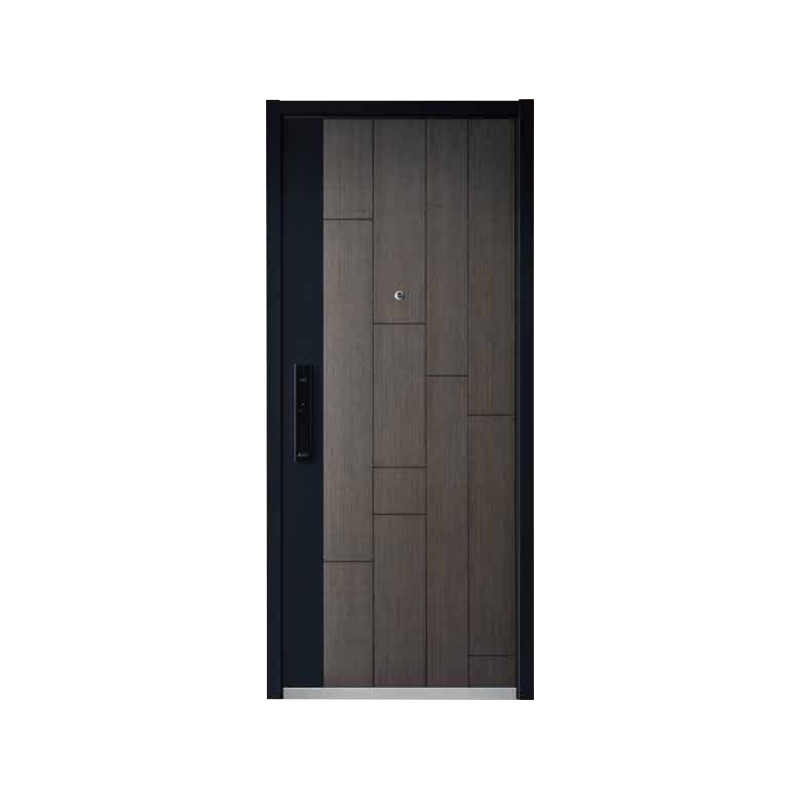
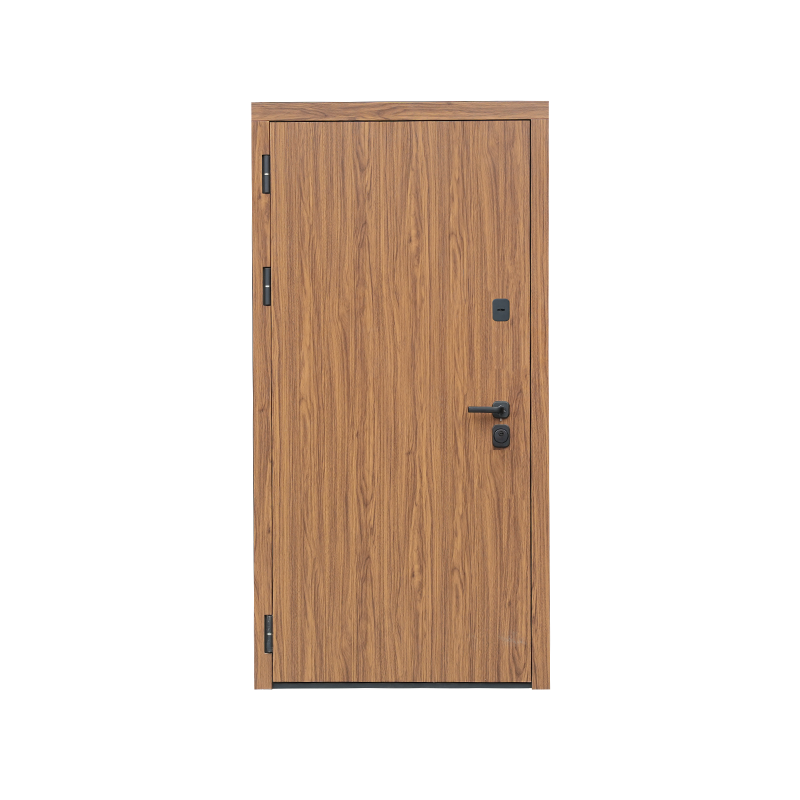
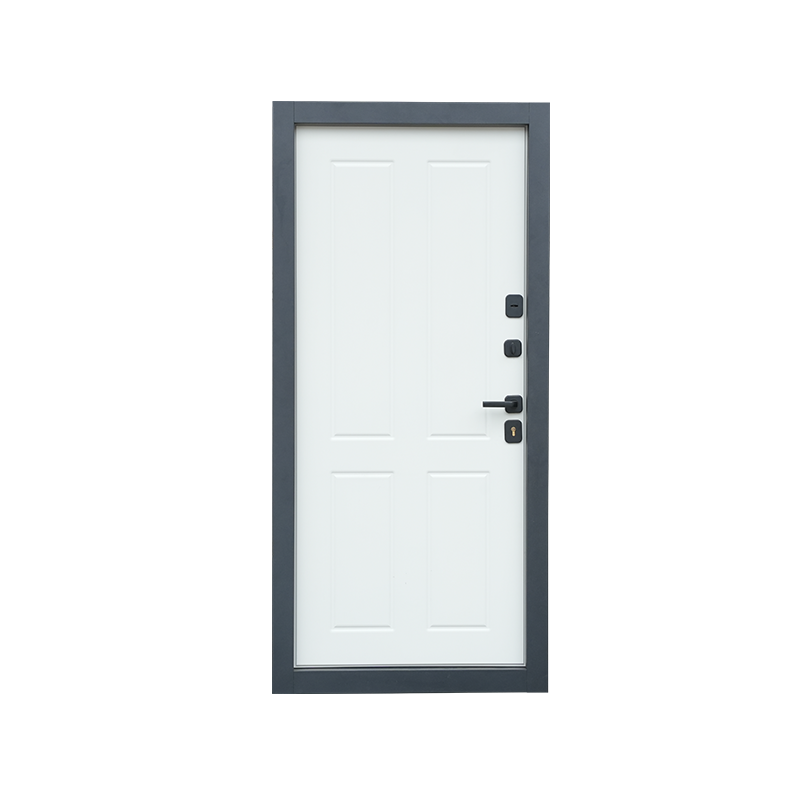
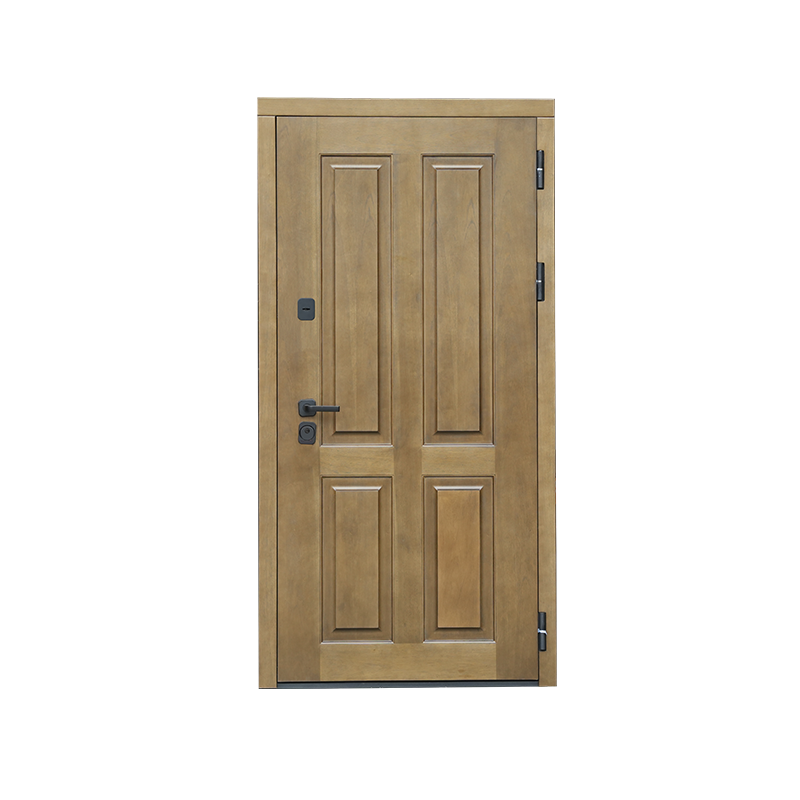
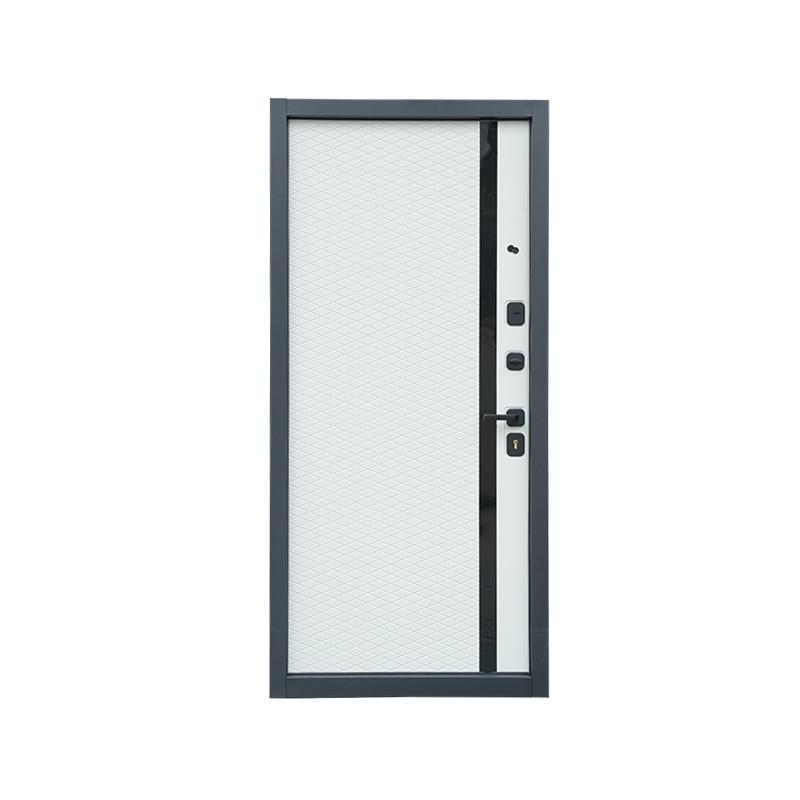
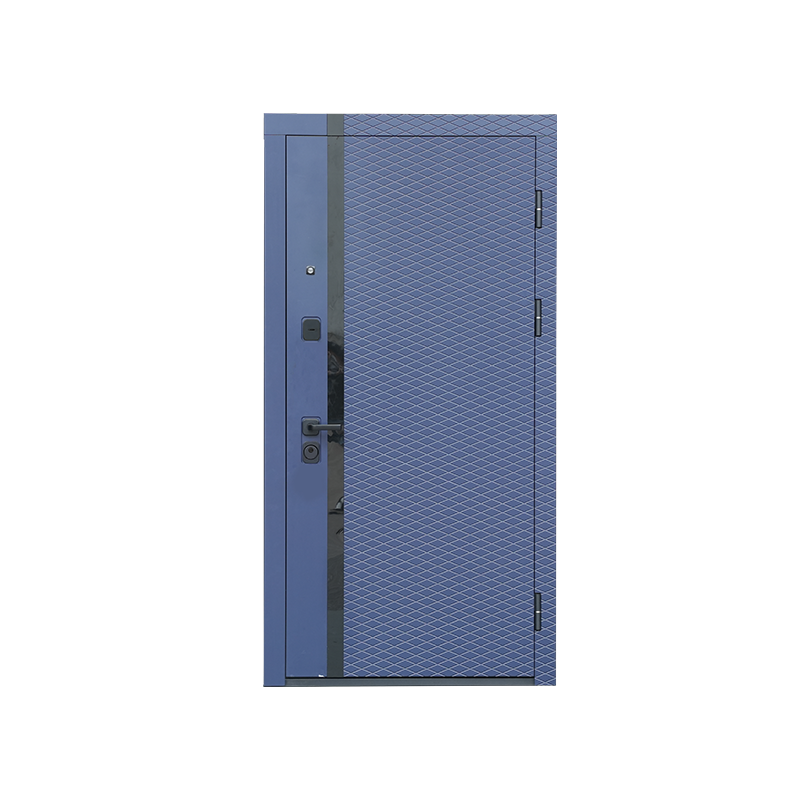
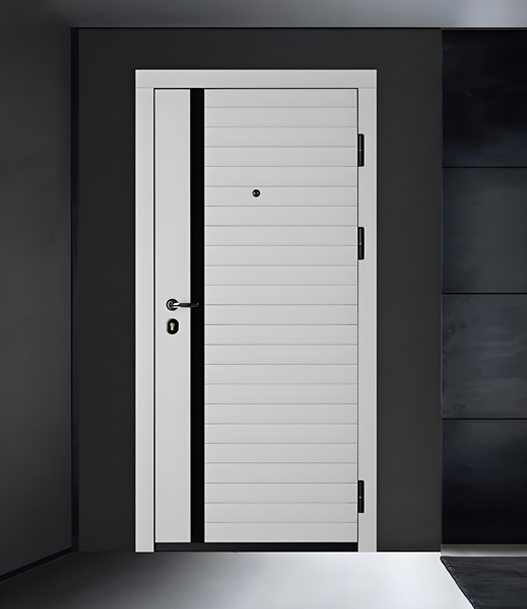
Surface finishes on a Russian door tend toward heavy steel paneling, sometimes with a wood-grain texture pressed into the surface to soften the industrial look without giving up the underlying steel structure. Some buyers request a double-steel-sheet construction, where steel forms both the exterior and interior face with insulation sandwiched between, giving the door strength on both sides rather than a steel exterior backed by a lighter interior panel.
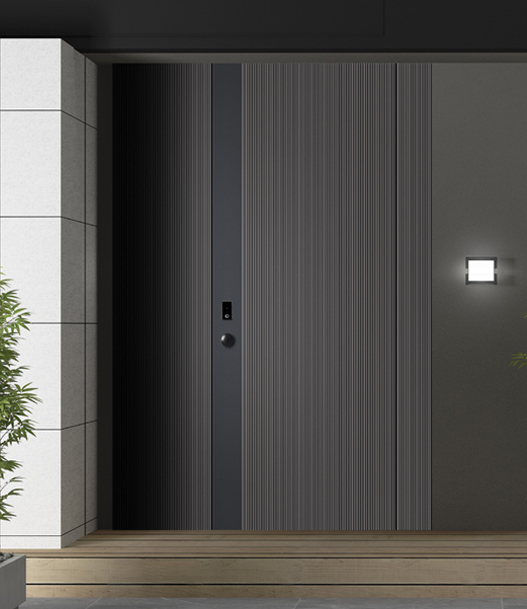
Color and texture options have expanded over the years as manufacturers try to make these doors fit a wider range of building styles, but the core structural approach — thick insulated steel core, reinforced frame, multiple seals — stays fairly consistent across different aesthetic finishes. That consistency is part of why buyers sourcing a Russian door for export tend to focus more on core specifications than surface design when comparing suppliers.
Beyond Russia's Borders
Despite the name, demand for this door style isn't limited to one region. Buyers in Northern Europe, parts of Central Asia, and cold regions of North America look at the same insulated steel construction for similar reasons — buildings in harsh winter climates need doors that do more than separate indoor and outdoor space. A Russian door built for these markets typically gets evaluated on the same criteria regardless of where it ships: insulation performance, seal quality, and how well the frame holds up against repeated freeze-thaw cycles over years of use.
Distributors selling into these markets often stock a Russian door line alongside lighter standard entrance doors, since customers in transitional climate zones sometimes want the heavier insulated option even when their winters aren't quite as extreme as the doors were originally designed for.
FAQ
Q1: What insulation material is typically used inside a Russian door?
Mineral wool and polyurethane foam are both common, chosen for their ability to resist heat transfer within a compact door thickness.
Q2: Are Russian doors only sold with steel exteriors?
Steel is the most common facing material, though some models pair steel with wood-textured coatings for a softer visual finish.
Q3: Why do Russian doors often have multi-point locks?
Multiple locking points help the door seal evenly against the frame, reducing draft points that a single lock can't fully address.
Q4: Can a Russian door be ordered in different insulation thicknesses?
Yes — many manufacturers offer tiered insulation options so buyers can match the door to their region's typical winter severity.