

 русский
 Español
 عربى
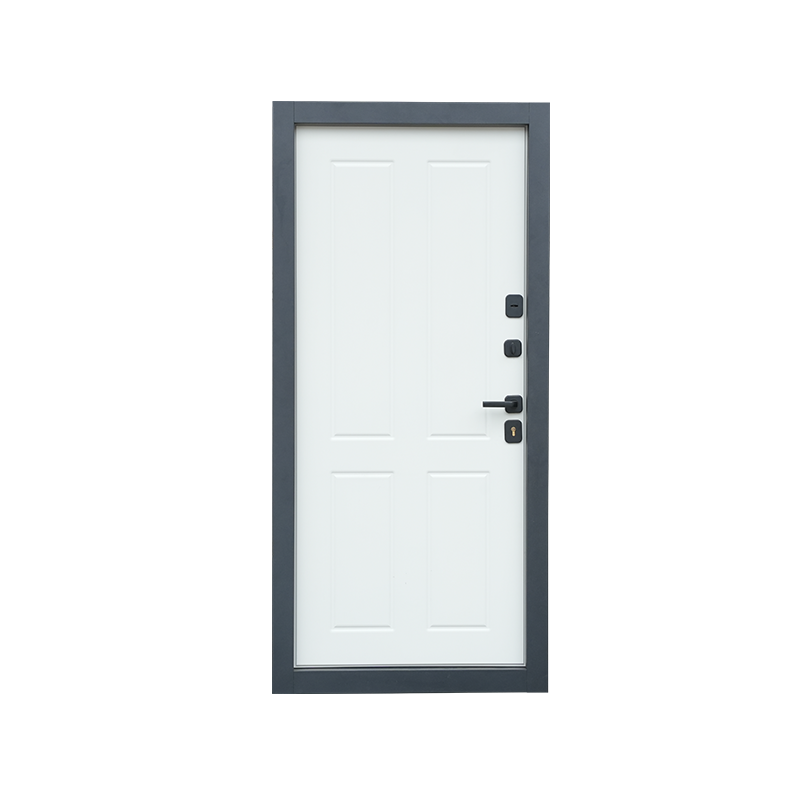
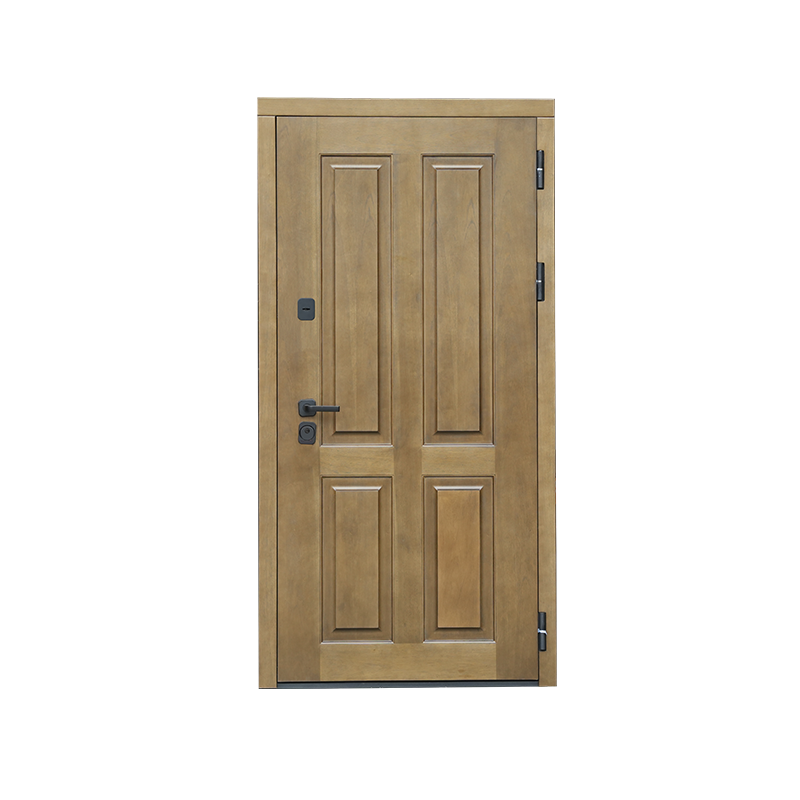
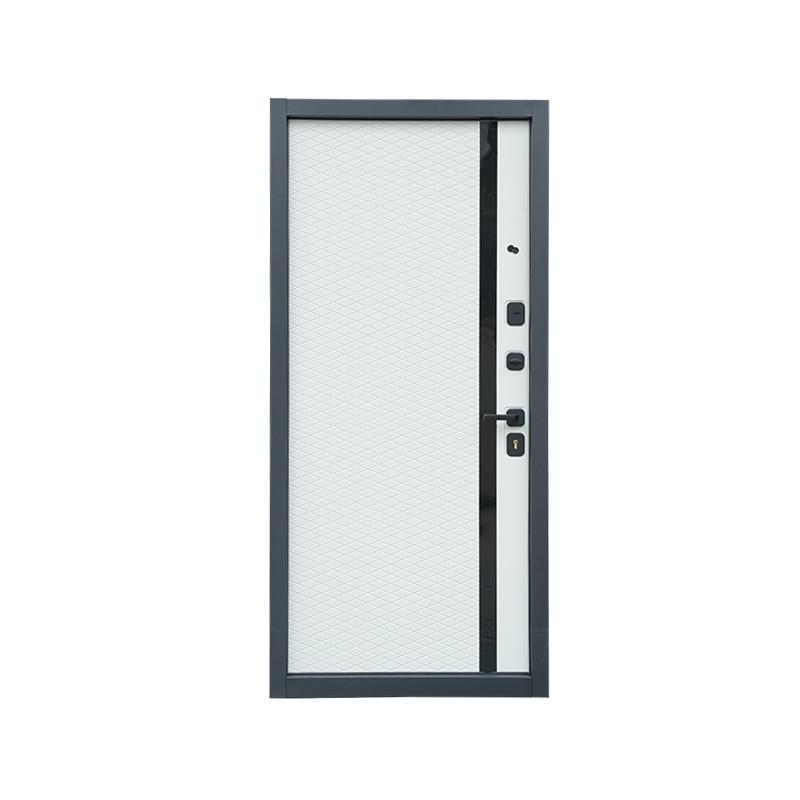
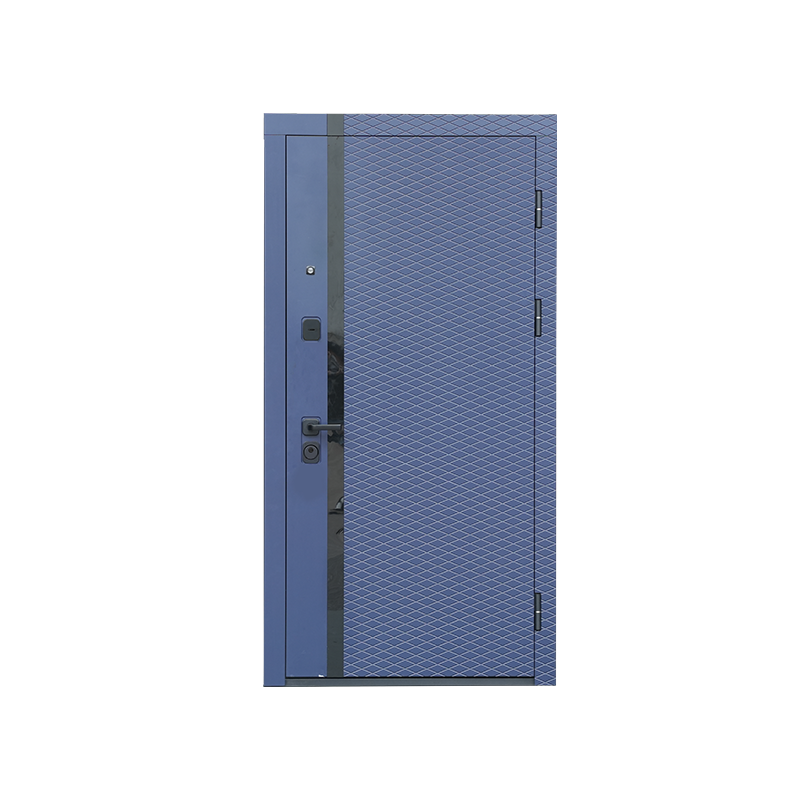
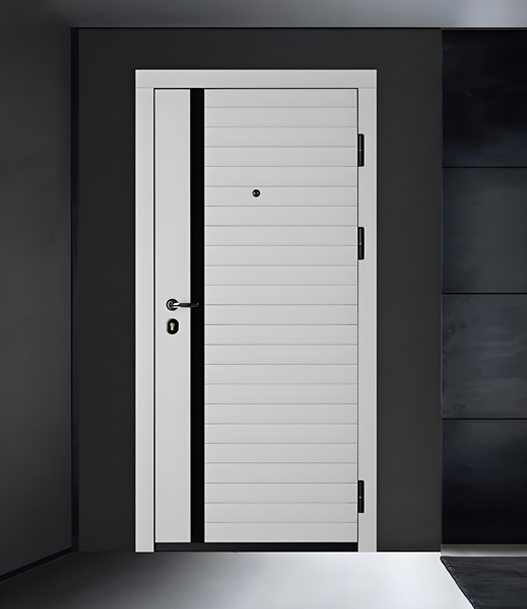
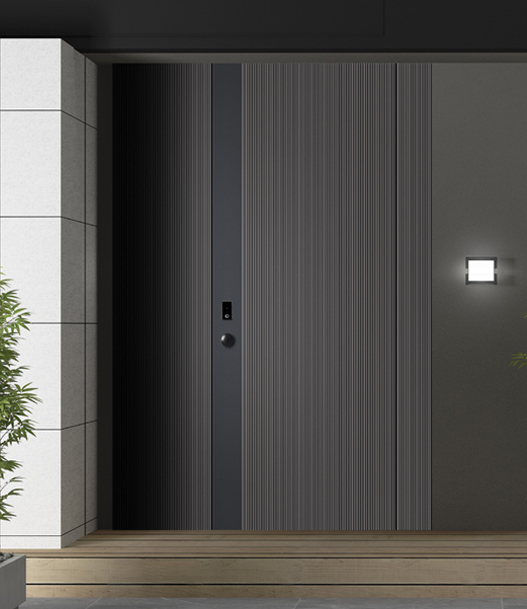
عربىAn entrance door is often the first physical element people notice when approaching a building. Its appearance can influence the character of an entryway, but its construction also determines how the door feels, moves, and performs during everyday use. A Steel-Wooden Entrance Door brings two different materials into one design, combining a metal structure with the warmth and texture associated with wood.
Two Materials, Two Different Roles
Steel and wood behave differently, which makes their combination interesting from an engineering perspective. Steel provides a rigid structural foundation, while wood can be used for decorative surfaces, panels, frames, or interior sections.
This combination gives designers more room to work with proportions, textures, colors, and surface patterns. Instead of treating the door as a single material product, manufacturers can divide its construction into functional layers.
The result can have a solid architectural appearance without losing the visual character of natural or engineered wood.
The Steel Core Shapes The Structure
In many designs, the steel section forms the main supporting framework. Steel profiles can be cut, welded, and assembled into a door frame or internal structure.
The thickness and arrangement of steel components depend on the door dimensions and design. Larger doors may require additional reinforcement to keep the structure stable during operation.
Manufacturers need to position hinges, locks, reinforcement plates, and other hardware around the steel framework so these components work together without interfering with the exterior design.
Wood Adds Texture And Character
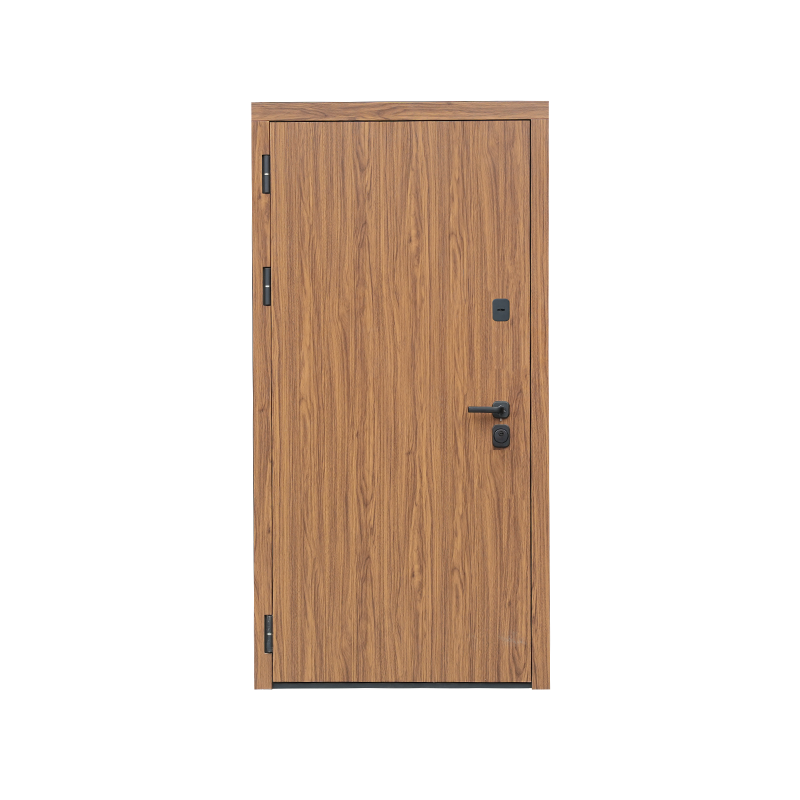
Wooden elements bring a different visual language to the door. Grain patterns, warm tones, and surface textures can make an entrance feel more welcoming.
Manufacturers may use solid wood, engineered wood, veneer, or decorative wood panels depending on the design concept. Different wood treatments can create smooth, textured, matte, or patterned surfaces.
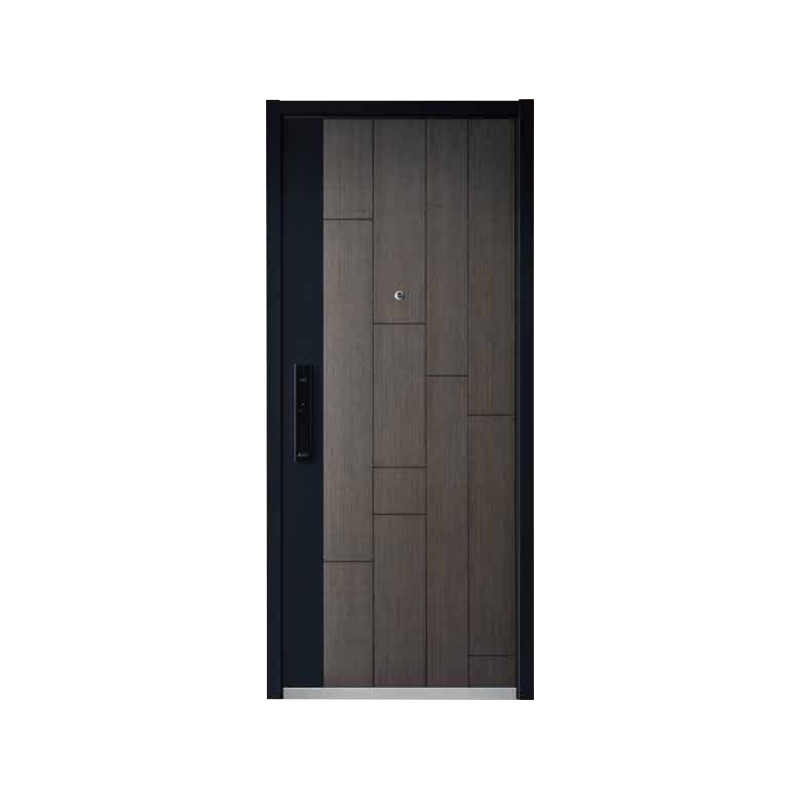
For a Steel-Wooden Entrance Door, the wooden section can cover selected areas rather than the entire door. This creates opportunities for geometric patterns, vertical strips, framed panels, and contrasting surfaces.
Door Panels Require Accurate Assembly
The relationship between the steel framework and wooden panels needs careful planning. Gaps, joints, and panel positions can affect both appearance and door movement.
Manufacturers may use mechanical fasteners, adhesives, brackets, or combined fixing methods to connect different sections. The connection method depends on the materials and overall construction.
Panel dimensions also need to match the door frame accurately. Even a small mismatch can become noticeable around the edges or decorative lines.
Surface Design Changes The Overall Appearance
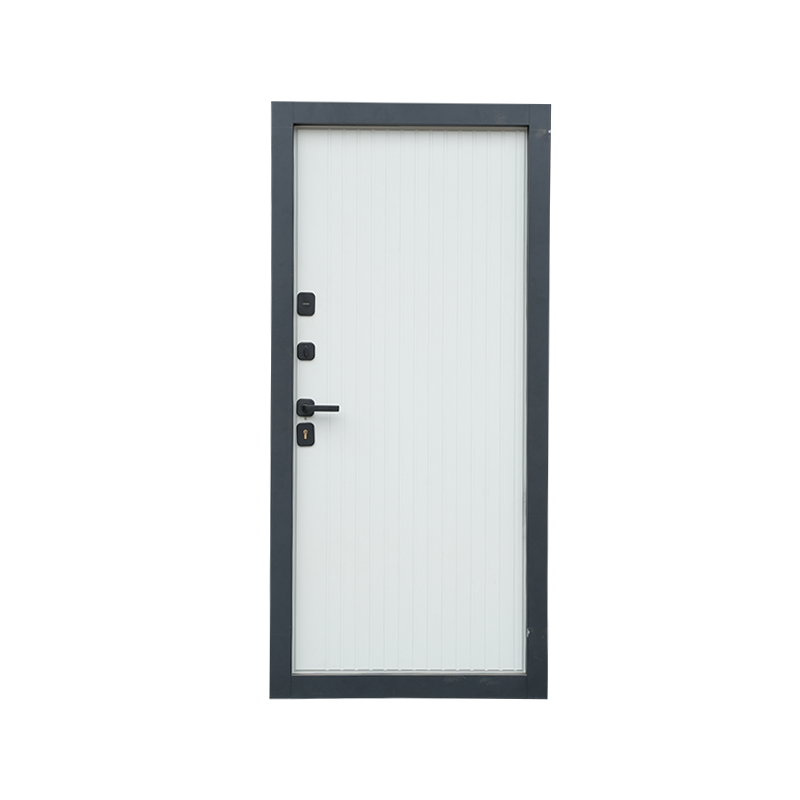
A door can look completely different depending on its surface treatment. Dark metal combined with warm wood creates a different visual effect from light-colored steel paired with pale wood.
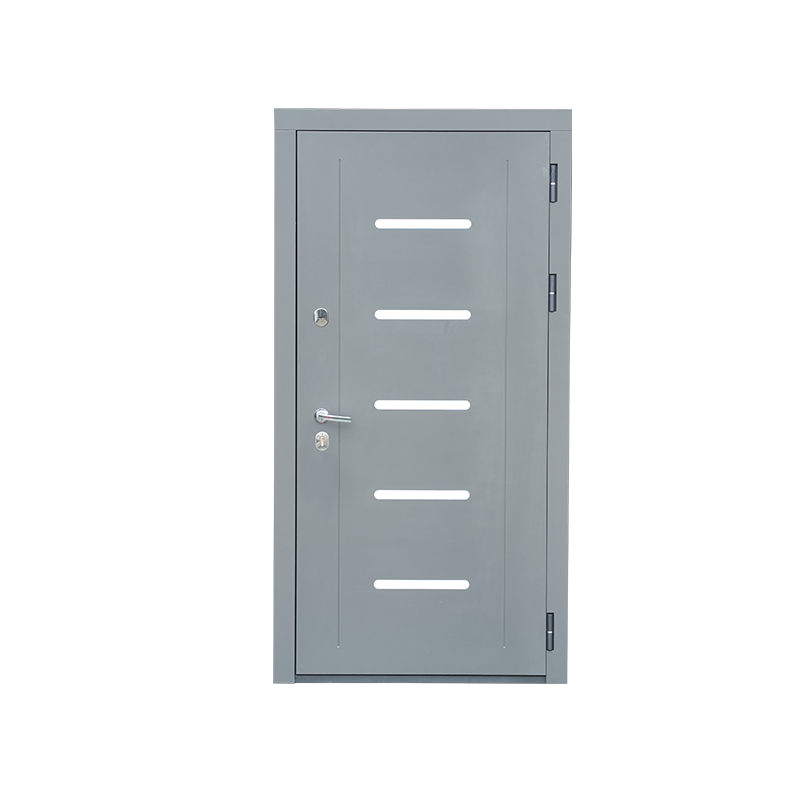
Wood grain can run vertically, horizontally, or diagonally. Metal sections can remain simple or include decorative lines and geometric details.
Some designs use a large wooden center panel surrounded by a steel frame. Others divide the surface into smaller sections to create a more contemporary appearance.
Hardware Becomes Part Of The Design
Handles, locks, hinges, door closers, and other hardware are functional components, but they also influence the visual style.
A long vertical handle can emphasize the height of the entrance, whereas a compact handle can create a more understated appearance. Hardware finishes can also be selected to coordinate with the metal frame or wood surface.
On a Steel-Wooden Entrance Door, hardware placement needs to account for both the structural frame and decorative panels.